
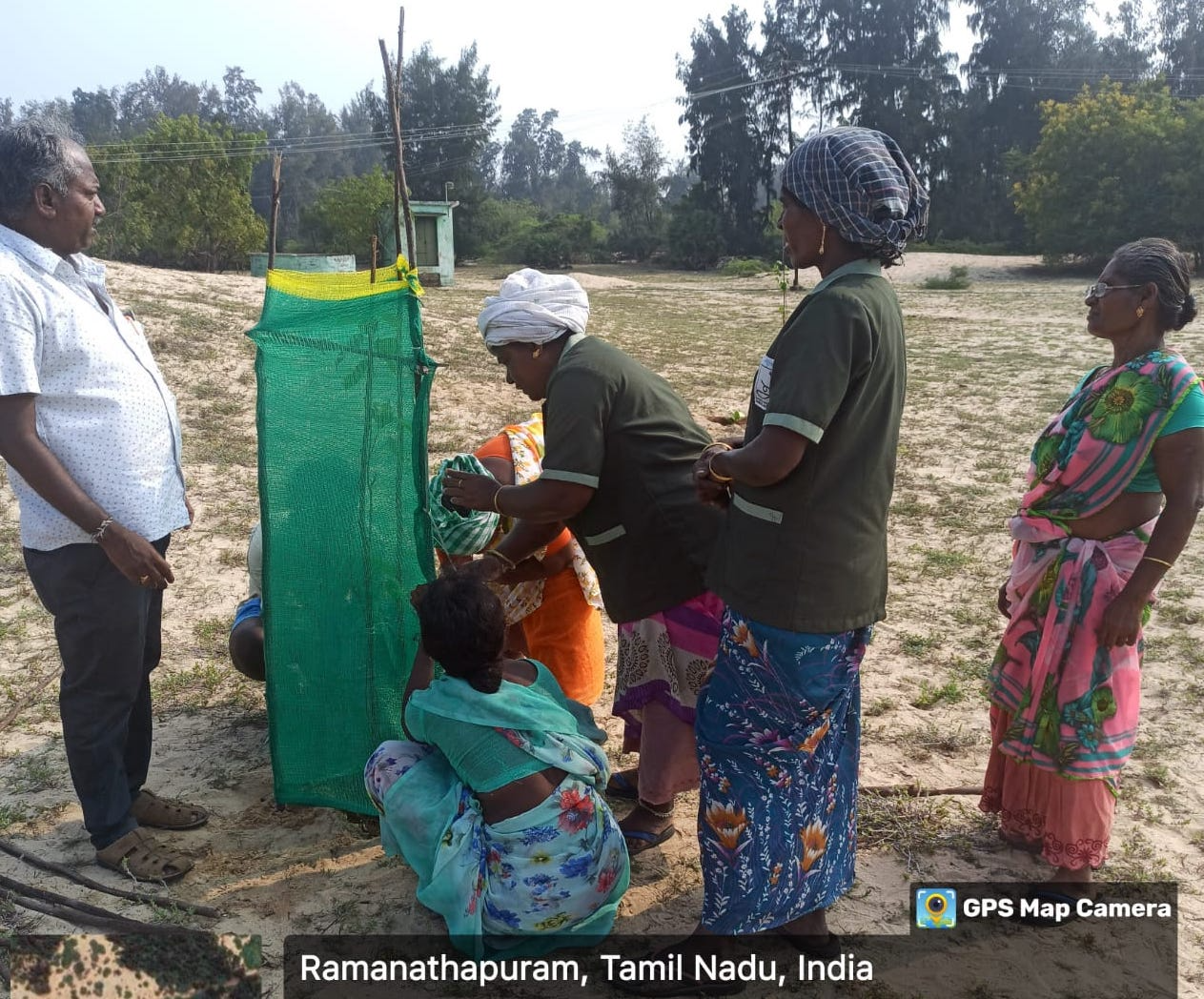
Planting Event in Rameswaram Island, Tamil Nadu
பிப்ரவரி 5. 2025 இராமேஸ்வரம் நகராட்சிக்கு சொந்தமான நம்பு நாயகி அம்மன் நீரேற்றும் நிலையம் சுற்றுப்புற பகுதியில் நகராட்சி சார்பில் மரக்கன்றுகள் நட்டு பராமரிக்க திட்டமிடப்பட்டு இதற்கான தொடக்கப்பணி இன்று தொடங்கபட்டது. இதன்மூலம் சுமார் 7.5 ஏக்கர் பராப்பளவில் சுமார் 3000 மரக்கன்றுகள் நடுவற்கான பணிகள் திட்டமிட்டு செயல்படுத்தப்படவுள்ளது.
இதன் தொடக்கமாக இராமேசுவரம் தீவில் மரம் நடும் பணியினை செயல்படுத்தி வரும் அருளகம் இயற்கை பாதுகாப்பு அமைப்பின் தொழில் நுட்ப உதவியுடன் இன்று இராமேசுவரம் நகராட்சித் தலைவர் திரு. கே.இ. நாசர்கான், நகராட்சி ஆணையாளர் திரு. அ. கண்ணன், நகராட்சி பொறியாளர் திருமதி M.பாண்டீஸ்வரி மேற்பார்வையாளர் திரு S. ஜெகதீசன் ஆகியோர் மரக்கன்று நட்டு பணியினை தொடங்கி வைத்தனர்.
இம்மரக்கன்றுகள் நடுவதற்கான திட்டப் பணியினை அருளகம் நிறுவனத்தின் பொருளார் திரு ஆ.அமிர்தலிங்கம் ஆராய்ச்சியாளர் முனைவர் கண்ணன் இணை ஆராய்ச்சியாளர் திரு ஆர் முகம்மது சாகித் ஆகியோர் மேற்பார்வையில் பணிகள் துவங்கி நடைபெற்று வருகின்றது.
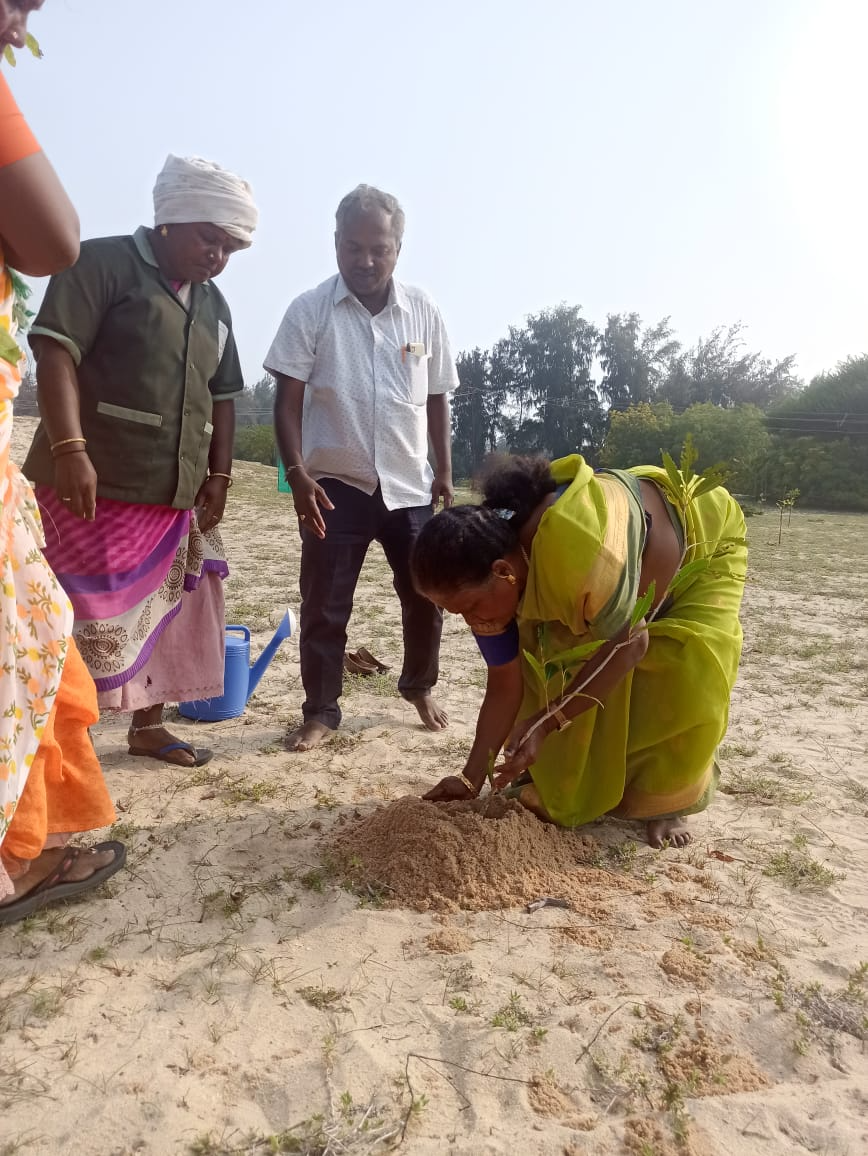
February 5, 2025 – The Rameswaram Municipality has launched a new initiative to plant and maintain saplings around the Nambu Nayaki Amman Water Supply Station. This project, which began today, aims to plant approximately 3,000 saplings across an area of 7.5 acres.
The planting effort is being carried out with the technical support of the Arulagam Nature Conservation Organization, which has been conducting planting initiatives on Rameswaram Island. The Rameswaram Municipality Chairman, Mr. K.E. Nasar Khan; Municipal Commissioner, Mr. A. Kannan; Municipal Engineer, Mrs. M. Pandeeswari; and Supervisor, Mr. S. Jagatheesan, officially inaugurated the planting initiative.
The project is being overseen by Mr. A. Amirthalingam, Treasurer, Arulagam, alongside Researcher Dr. Kannan and Associate Researcher Mr. R. Mohammed Shahid.
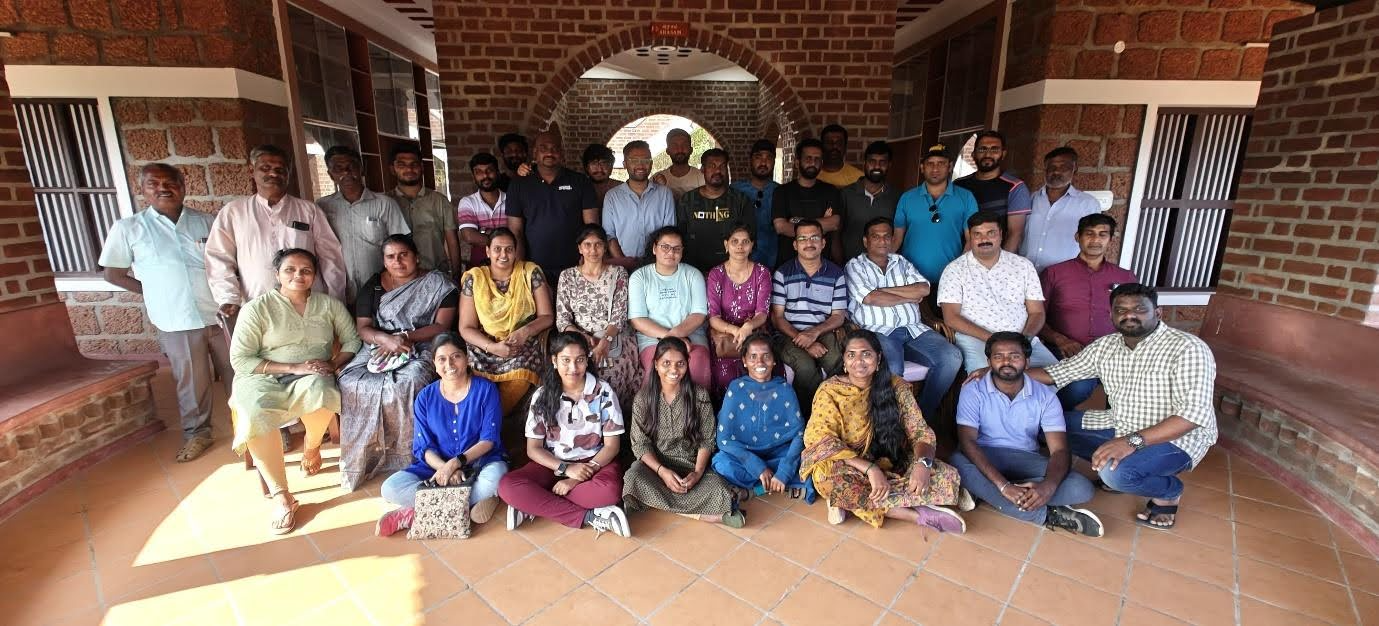
Arulagam’s World Wetland Day & Arul’s Birthday Celebrations - 2025
Introduction:
On World Wetland Day and in celebration of Arul’s birthday, Arulagam organized an environmental event at Velliyankadu Primary School and Kandiyur Pond. Volunteers from State Street Cooperation and students from Sankara College joined the event to plant trees.
Welcome Ceremony: Arulagam along with a street theatre group known for its environmental advocacy, recently partnered with State Street Corporation to deliver a compelling performance on the significance of vultures, trees, and wetlands. The event showcased the group's unique ability to blend traditional art forms like the Parai/Thappu Aatam with important ecological messages, leaving a lasting impression on the audience.
Mr. Karthiga Rajkumar, President, Arulagam welcomed the gathering. Mr. Bharathidasan.S, Secretary, Arulagam shared the Arulagam journey, Mr. Ramohan. G, highlighted the importance of volunteerism.
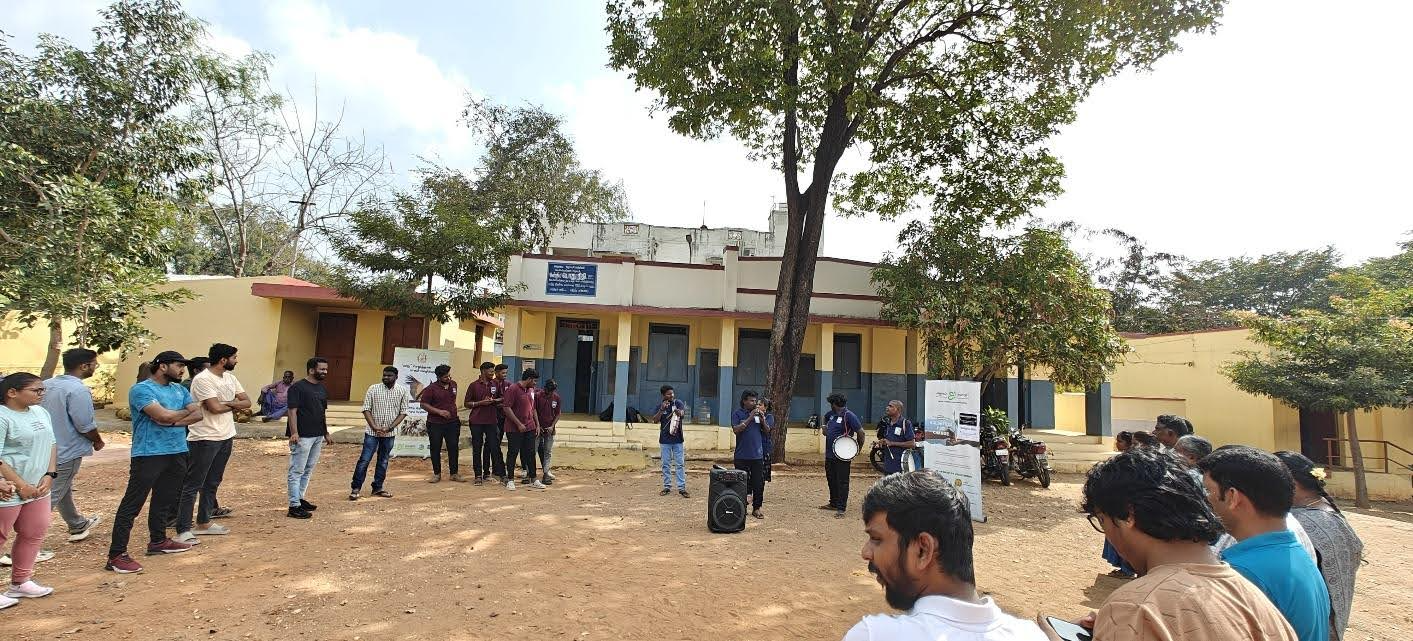 Welcoming the Volunteers from State Street Corporation
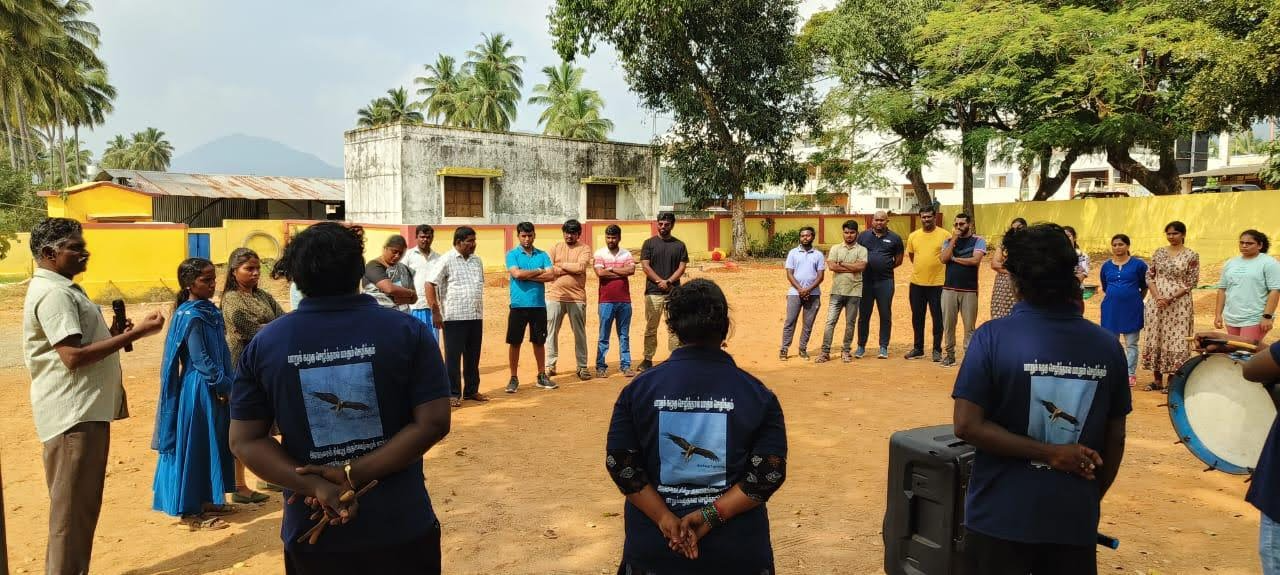
Introduction Speech by Mr. Bharathidasan.S, Secretary, Arulagam
Awareness Session: Mr. A. Amirthalaingam, Treasurer narrated on how to plant the saplings and maintain it. Artist team shared information about how vultures help keep the environment clean by eating dead animals and how important it is to protect them.
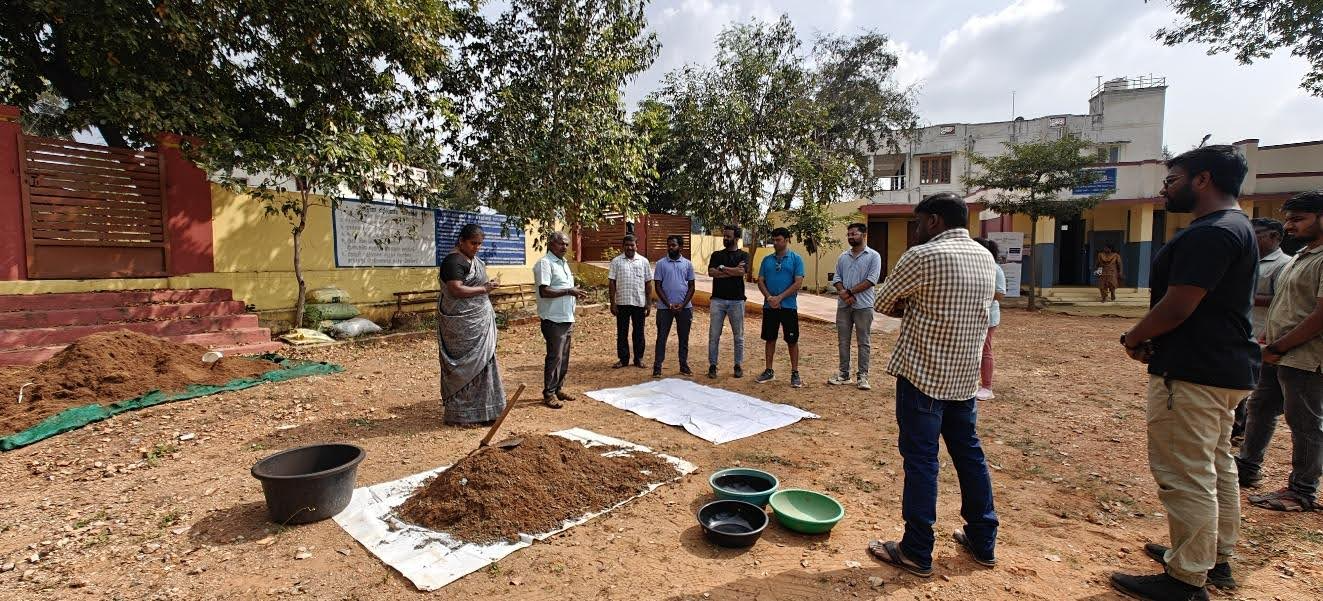
Awareness session on planting saplings with Mr. Amirthlingam & Mrs. Kavitha
Planting Saplings: A key feature of the event was the planting of 200 saplings across two significant locations: Velliyankadu Primary School and Kandiyur Pond. The planting was part of an effort to improve the environment and encourage greenery in the area.
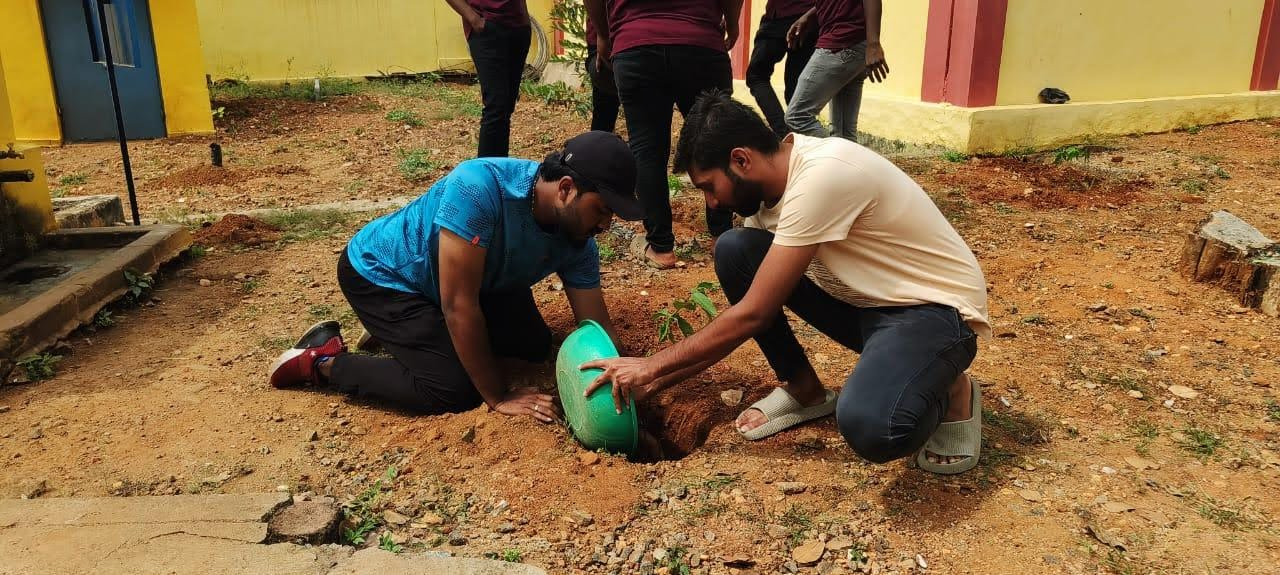
Planting Saplings by State Street Corporation in Primary School
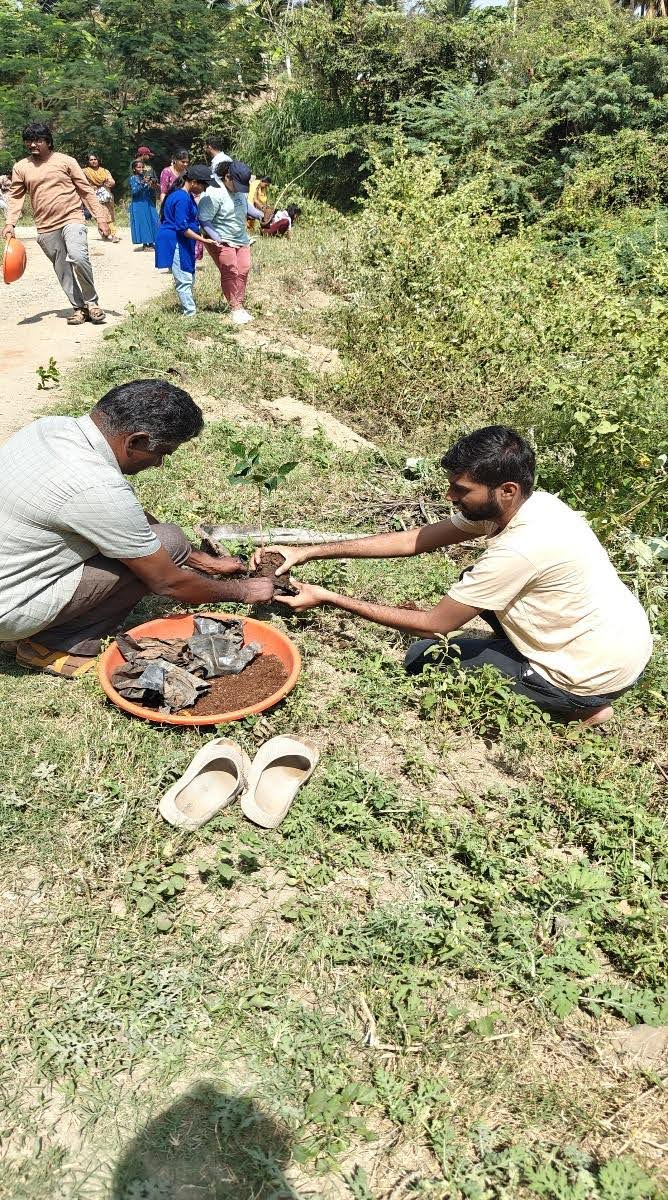
Planting Saplings in Kandiyur Pond with State Street Corporation volunteers
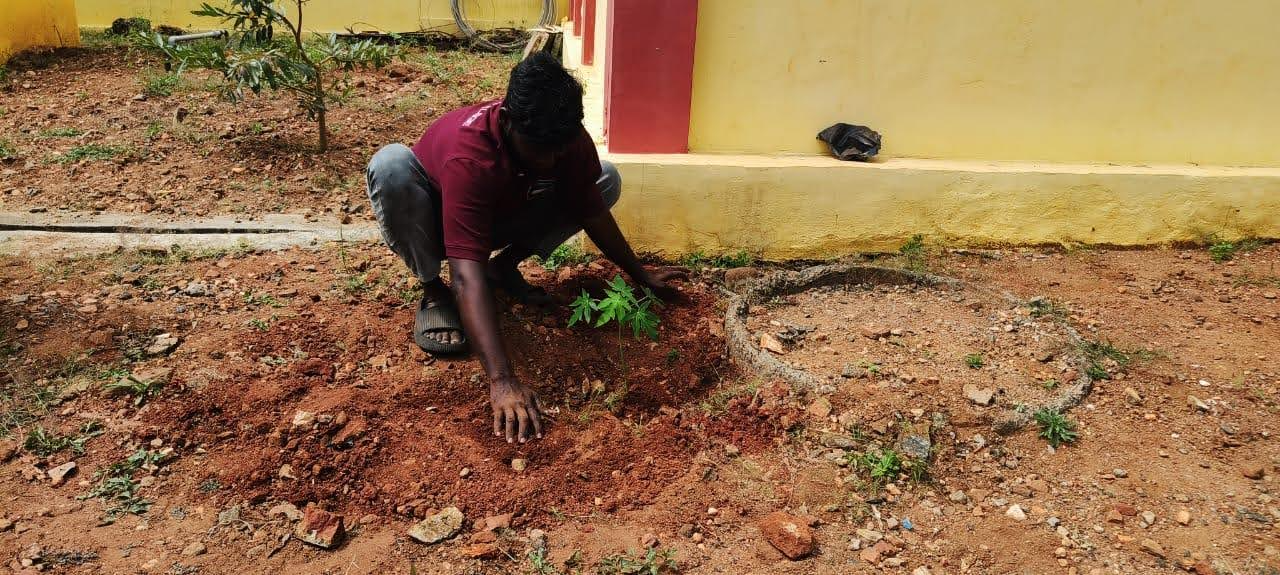
Planting Saplings by Sankara College Students at Primary School, Velliangadu
Interaction:
Following the performance, an interactive session allowed participants to discuss the connection between minimalism and environmental sustainability. Volunteers from State Street Corporation provided valuable feedback on the event and offered suggestions for future collaborations."
A group photo after getting Feedback from the State Street Co-Operation about the event.
Conclusion:
The event enjoyed a strong turnout and enthusiastic participation from volunteers and students, raising awareness about wetland conservation and the importance of protecting wildlife like vultures. The tree planting initiative will also contribute to the long-term health of the local environment.
Awareness Events in the Sathymangalam Tiger Reserve - Jan/Feb 2025
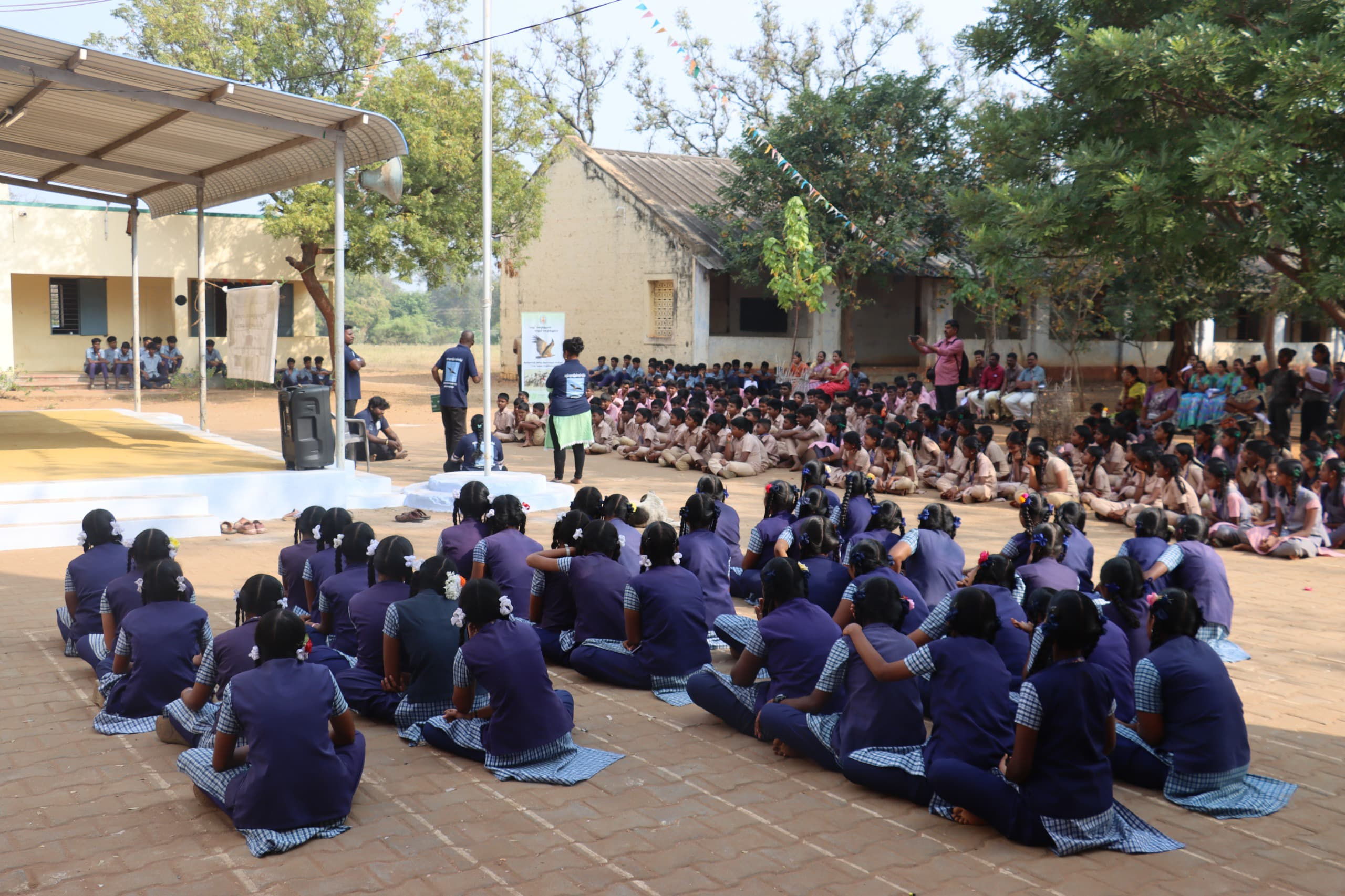
An awareness event will be held from January 27 to February 1, 2025, across the villages within the Sathyamangalam Tiger Reserve. The event aims to raise awareness about banned medicines for livestock, the dangers of high-voltage electric fences, the destruction caused by forest fires, and the harm caused by poisoning.
The event in Karachikorrai village was presided over by Arulagam Secretary S. Bharathidasan with Foresters Kannan and Senthilkumar in attendance. During the inauguration, Bharathidasan welcomed the recent ban on the use of the livestock drug nimesulide,' effective from January 1, 2025, to protect the vultures. He also highlighted past efforts by Arulagam, in partnership with the Forest Department, to implement bans on other harmful drugs like diclofenac in 2006, and ketoprofen and aceclofenac in 2023. These initiatives have been aimed at educating drug dealers, veterinarians, livestock breeders, dairy associations, and the general public about the risks of these substances.
Durairam, Satheeskumar, and Kuppusami of the Forest Department distributed informational pamphlets on the dangers posed by improperly installed high-voltage electric fences. Arulagam members Sundari, Revathi, Santosh, and John also distributed pamphlets to raise awareness about banned drugs and the importance of protecting griffon vultures.
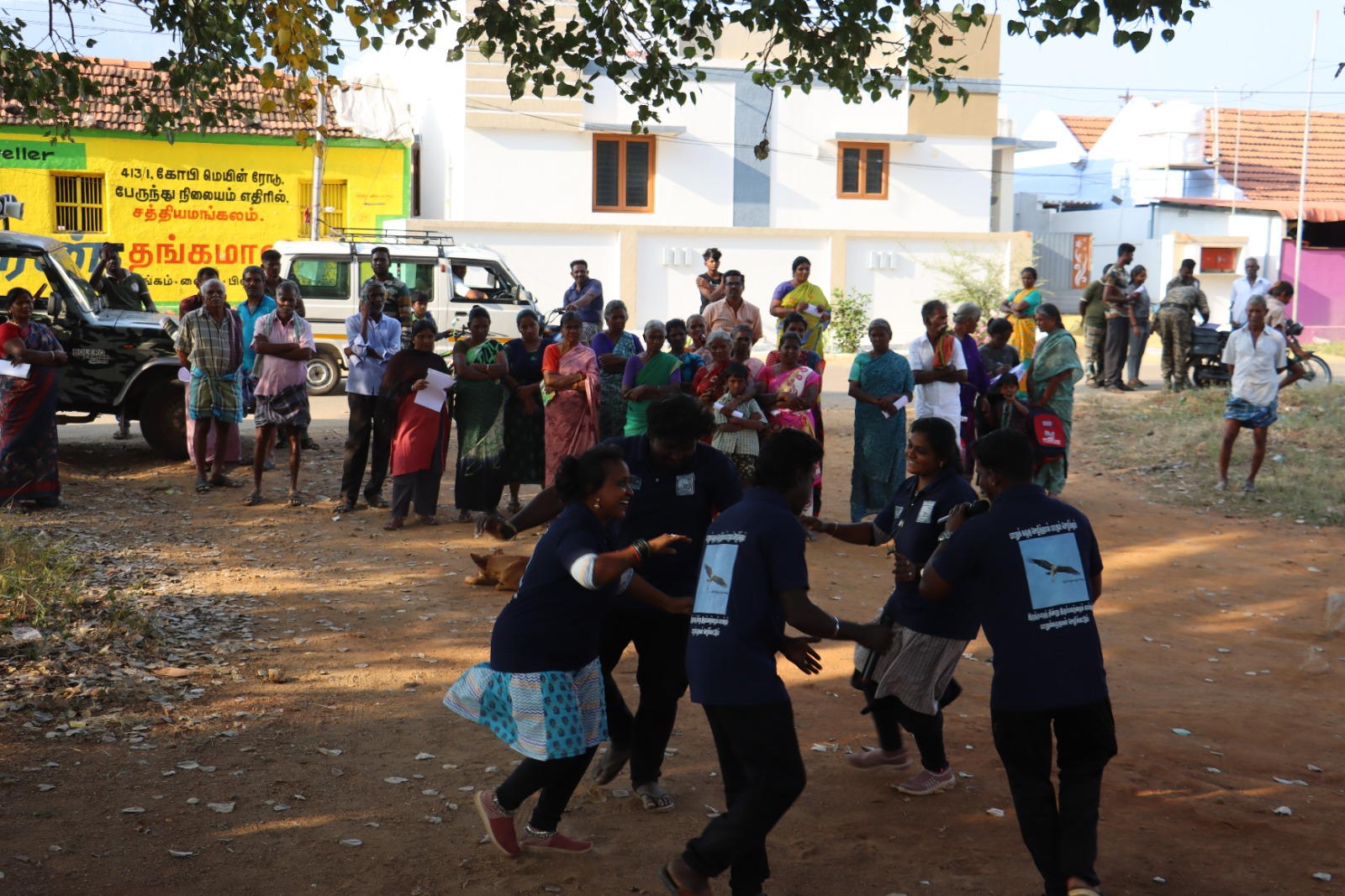
The event was made possible with the support and coordination of the Forest Department, under the guidance of Bhavanisagar Forest Officer Sadham. In addition, artists Ponraj, Kadalarasan, Udayashankar, Brinda, and Durga, led by Senthil, engaged the community through songs, drama, and performances to further spread the message.
The event began in Karachikorrai and has since been held in Kothamangalam, Nerunchipettai, Rajan Nagar, Patramangalam, Tengumaragada, Kallampalayam, Allimayar, and Pudukkadu, where it has been well received by the local public.
Events will take place in Bhavanisagar, Sathyamangalam, Dukanayakkan Palayam, and Kadambur. Your support in spreading awareness is greatly appreciated.
சத்தியமங்கலம் புலிகள் காப்பகம் உட்பட்டக் கிராமங்களில் விழிப்புணர்வு நிகழ்வு - Jan/Feb 2025
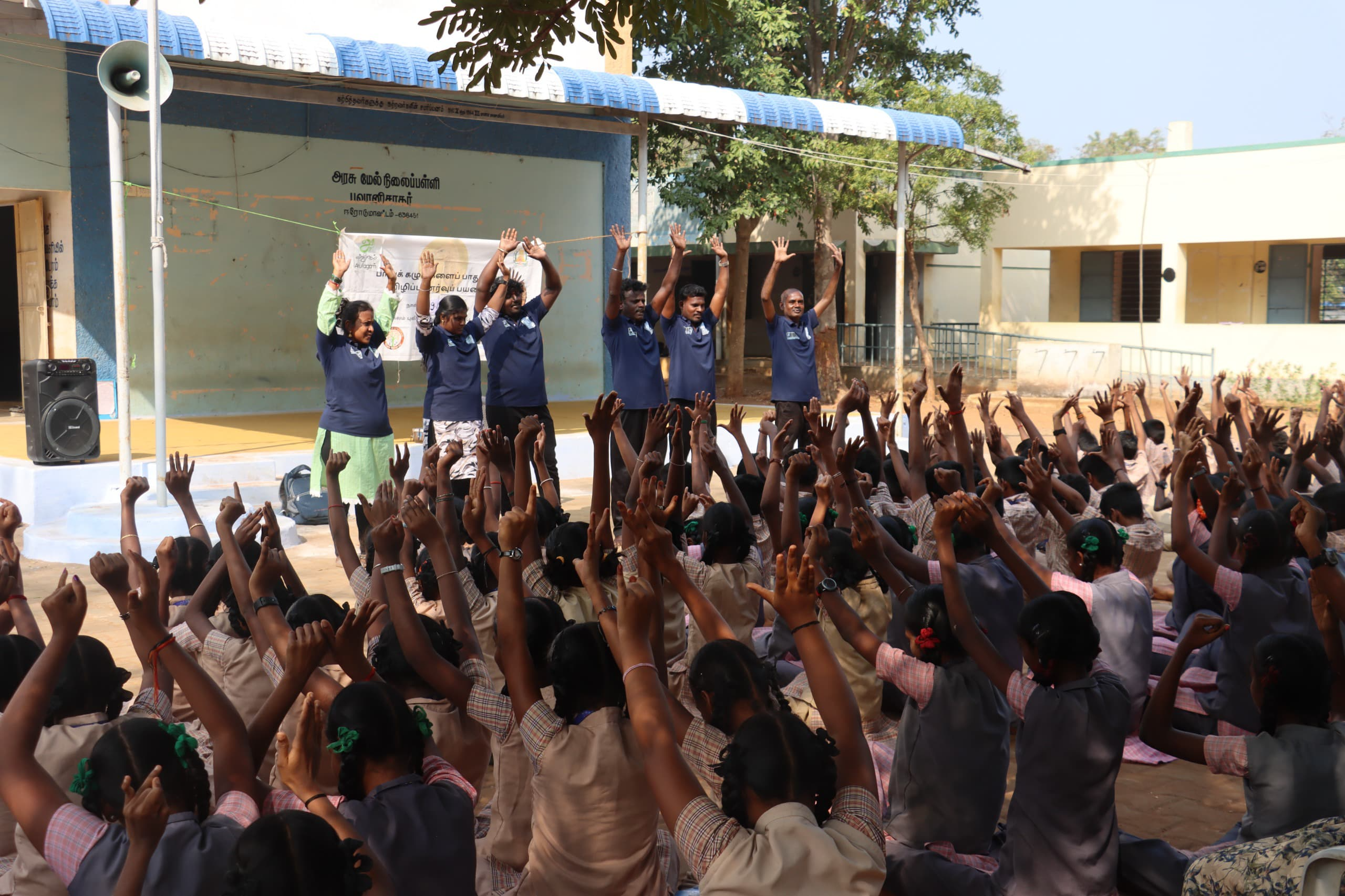
கால்நடைகளுக்குத் தடை செய்யப்பட்ட மருந்துகள் குறித்தும் உயர்மின் அழுத்த மின்வேலியின் ஆபத்து குறித்தும் காட்டுத்தீயினால் ஏற்படும் அழிவு குறித்தும் விசம் வைப்பதால் நேரும் தீங்கு குறித்தும் பல்வேறு தரப்பினரிடமும் பரப்புரை செய்வதற்கான விழிப்புணர்வு நிகழ்வு சத்தியமங்கலம் புலிகள் காப்பகம் உட்பட்டக் கிராமங்களில் 27-01-2025 அன்று தொடங்கி 1-02-2025 வரை நடைபெற உள்ளது.
காராச்சிக்கொரை ஊரில் நடைபெற்ற இந்நிகழ்வுக்கு அருளகத்தின் செயலர் சு.பாரதிதாசன் தலைமை தாங்கினார். வனவர்கள் கண்ணன் மற்றும் செந்தில்குமார் ஆகியோர் முன்னிலை வகித்தனர். நிகழ்ச்சியைத் தொடங்கிவைத்துப் பாரதிதாசன் பேசும்போது, 2025 புத்தாண்டின் தொடக்க நாளில் ‘பாறு’க் கழுகுகளைப் பாதுகாக்கும் நோக்கில் ‘நிமுசிலெட்’ மருந்தைக் கால்நடைகளுக்குப் பயன்படுத்தத் தடைவிதித்தது வரவேற்கத்தக்கது என்றார். 2006 ஆம் ஆண்டில் டைக்குலேபினாக் மருந்தும் 2023- ஆம் ஆண்டு கீட்டோபுரோபேன் மற்றும் அசிக்குளோபினாக் ஆகிய மருந்துகளும் தடைசெய்யப்பட்டது குறித்தும் இம் மருந்துக்கு விதிக்கப்பட்டத் தடையை மருந்துக்கடைக்காரர்களுக்கும், கால்நடை மருத்துவர்களுக்கும், கால்நடை வளர்ப்போருக்கும், பால் சங்கங்களுக்கும், பொதுமக்களுக்கும் எடுத்துச்சொல்லும் விதமாக தெருமுனைப் பிரச்சாரம் வனத்துறையின் உதவியுடன் அருளகத்தால் முன்னெடுக்கப்பட்டுள்ளது என்றும் தெரிவித்தார். நிகழ்ச்சியில் கலந்துகொண்ட பார்வையாளர்களுக்கு முறையற்ற உயர் மின்வேலிகளால் உருவாகும் சிக்கல் குறித்த விழிப்புணர்வுத் துண்டறிக்கையினை வனத்துறையைச் சேர்ந்த வனக்காப்பாளர்கள் துரைராம், சதீசுகுமார், குப்புச்சாமி ஆகியோர் வழங்கினர். தடைசெய்யப்பட்ட மருந்துகள் குறித்தும் பாறு கழுகுகளின் முக்கியத்துவம் குறித்த துண்டறிக்கையினை அருளகத்தைச் சேர்ந்த சுந்தரி,ரேவதி, சந்தோசு, ஜான் ஆகியோர் வழங்கினர். நிகழ்ச்சிக்கான ஏற்பாடுகளை பவானிசாகர் வனச்சரகர் சதாம் அவர்கள் வழிகாட்டுதலோடு வனவர்கள், வனக்காப்பாளர்கள் ஆகியோர் செய்திருந்தனர்.
பாடல்கள் வாயிலாகவும் நாடகம் வாயிலாகவும் பலகுரல் வாயிலாகவும் கலைஞர்கள் செந்தில் தலைமையில் பொன்ராஜ், கடலரசன், உதயசங்கர், பிருந்தா, துர்கா ஆகியோர் பிரச்சாரம் மேற்கொண்டனர்.
காராச்சிக்கோரையில் தொடங்கி, கொத்தமங்கலம், நெருஞ்சிப்பேட்டை, ராஜன் நகர், பட்ர மங்கலம் ஆகிய ஊர்களிலும் தெங்குமரகடா, கல்லாம்பாளையம், அல்லிமாயாறு, புதுக்காடு ஆகிய ஊர்களிலும் நடைபெற்றது. நிகழ்வினை ஊர்ப் பொதுமக்கள் இரசித்துப் பார்த்தனர்.
இன்றைய நிகழ்வு பவானிசாகர், சத்தியமங்கலம், தூக்கநாயக்கன் பாளையம், கடம்பூர் ஆகிய பகுதிகளில் நடைபெற உள்ளது.
தொடர்ந்து வரும் ஆறுநாட்களுக்குப் பல்வேறு ஊர்களில் நிகழ்வு நடைபெற உள்ளது தங்களது ஆதரவு பெரிதும் விரும்பப்படுகிறது.
Promoting Ethno-Veterinary Practices in Vulture Safe Zones
Arulagam is leading the effort to create Vulture Safe Zones (VSZs) across Kerala, Tamil Nadu, and Karnataka. These zones are critical for the survival of vultures, as these majestic birds face extinction due to ingestion of harmful veterinary drugs like diclofenac, ketoprofen, aceclofenac, and nimesulide.
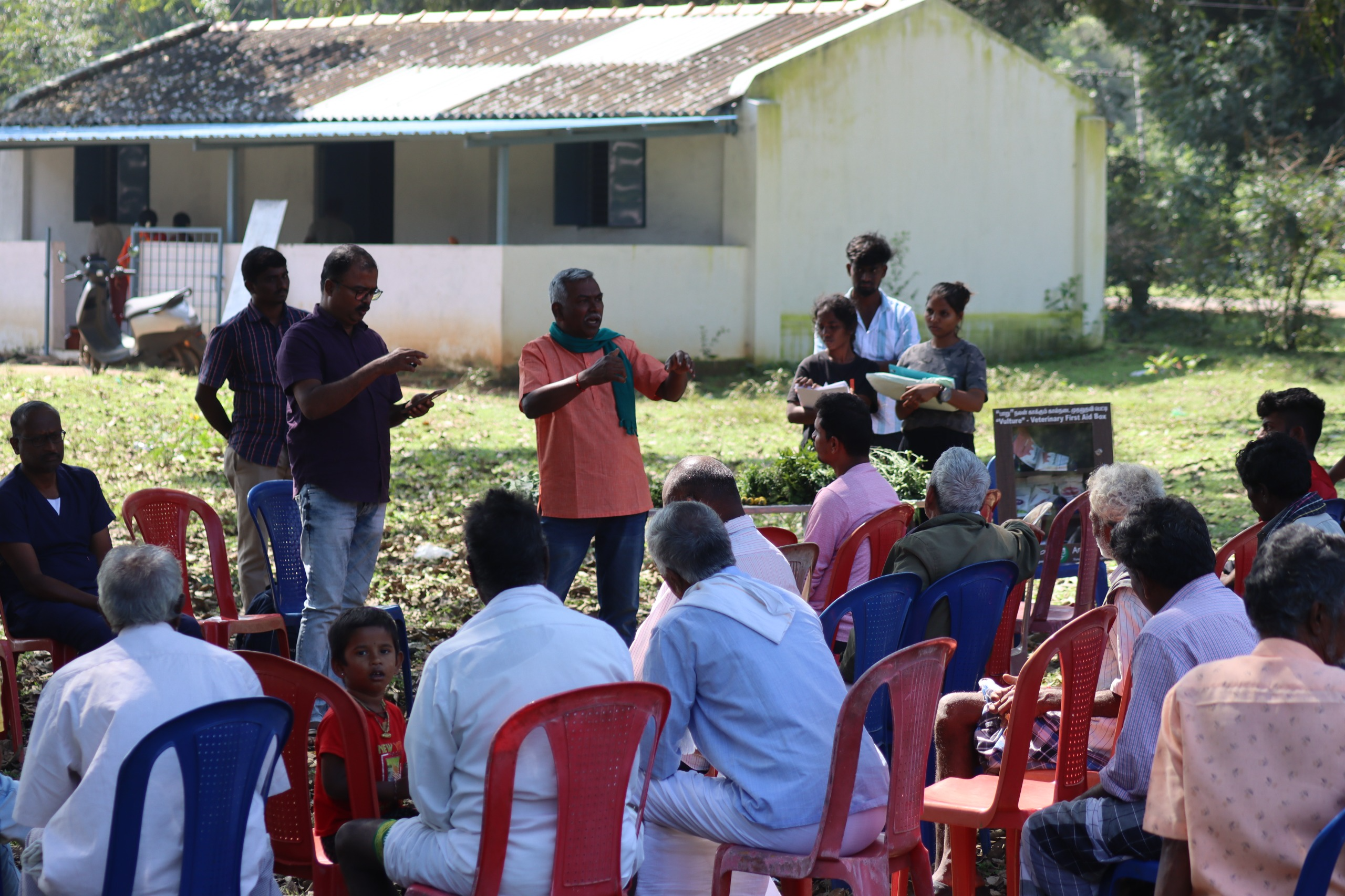
On December 15, 2024, Arulagam, in collaboration with the Thalavadi Farmers Foundation, Kumaraguru Institutions, and SEVA, organized an Ethno veterinary health camp and awareness program in Neithalapuram village of Thalavadi Block, Erode district. 77 cattle owners benefited from the camp with the support of Fondation Segre.
Arulagam handed over a veterinary first aid kit to Mr. Ravichandran, president of Neithalapuram village, empowering the community to provide immediate care to their livestock. Herbal medicine packs were distributed to cattle owners, promoting natural and sustainable healthcare practices. A veterinary kiosk was proposed to promote virtual veterinary services in the remote region.
Moreover, recent days have seen an increase in vulture sightings throughout the Thalamalai and Thalavadi landscape.
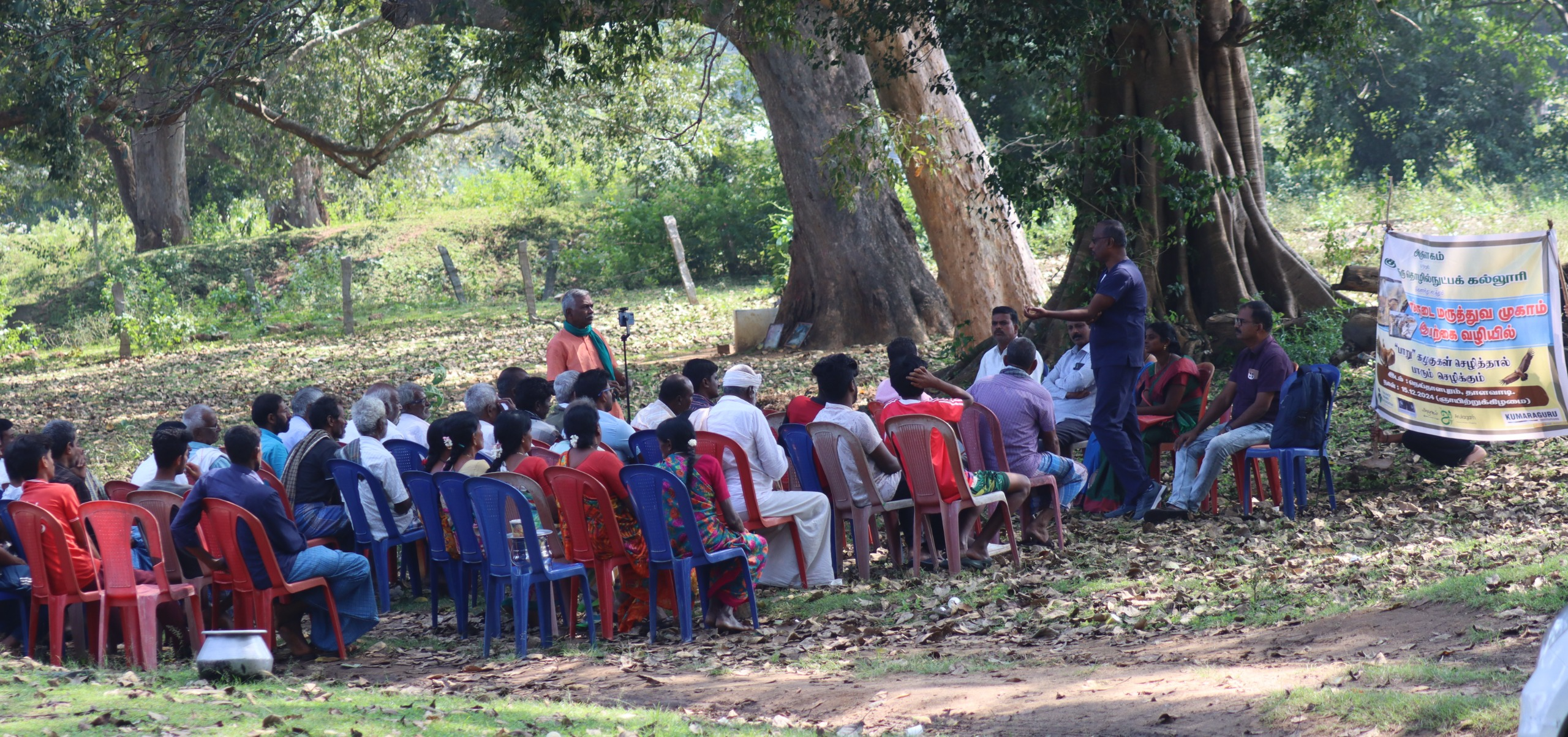 Dr. Palani (Farm Consultant) and Dr. Shanmugam (Veterinary dispensary Unit, Thalamalai) treated the cattle. Mr. Vasudevan administered deworming medicine to 30 cattle and provided semen injections to 3 cattle. Ms. Sangeetha and Ms. Udhiyakumari from SEVA, Madurai, conducted sessions on preparing home remedies and taking precautionary measures. Ms. Sundhari, a biologist, highlighted the dangers of diclofenac, a harmful NSAID drug, to vulture populations. Mr. Kanniyan, president of the Thalavadi Farmers Foundation, welcomed participants and outlined the program's objectives. Mr. Jabez John, the Field Coordinator, organized the cattle owners.
The awareness session was well-received, and villagers promised to adopt ethno-veterinary practices in the future. We strongly believe that reducing the demand for vulture-unsafe drugs will pave the way to creating Vulture Safe Zones
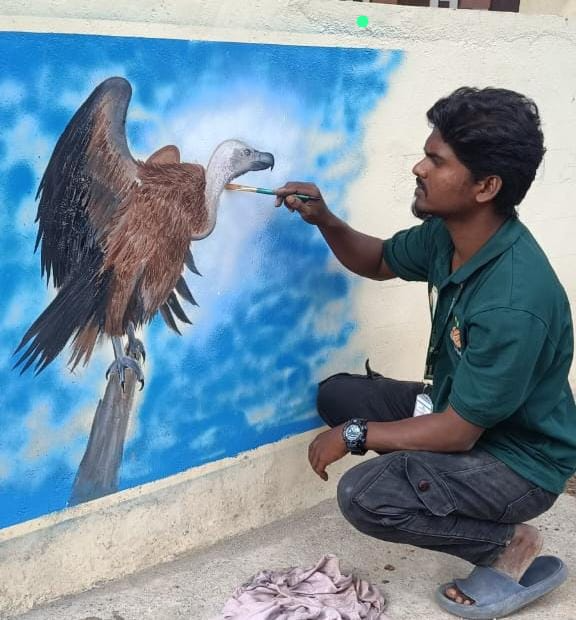
Vulture Awareness using Wall Murals and Paintings
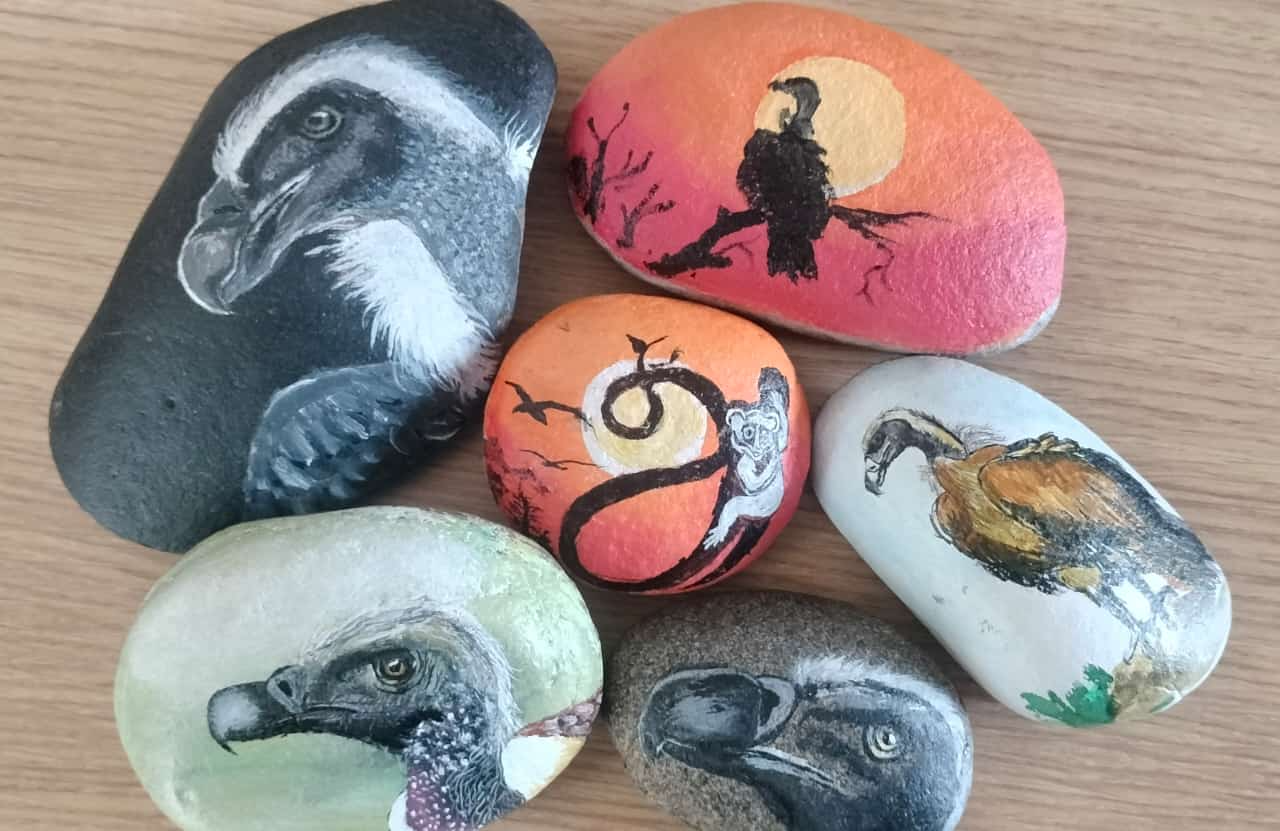
கல்லிலே கலை வண்ணத்தைப் படைத்த கலைஞர் மா. சந்தோஷ்.
இவரது சொந்த ஊர் தலைமலை அருகிலுள்ள அல்லபுரம் தொட்டி ஆகும். பழங்குடியின இளைஞரான இவருக்குள் இருக்கும் திறமையைக் கண்டு பழங்குடிகளையும் பாறுக் கழுகுகளையும் இணைக்கும் நோக்கோடு அவரைப் பாறு கழுகு குறித்த விழிப்புணர்வு ஓவியம் வரையக் கேட்டுக்கொண்டேன். அவரது கைவண்ணத்தில் 12 இடங்களில் பாறு கழுகுகள் உயிர்பெற்றுள்ளன. தற்போது கூழாங்கல்லிலும் அவரது கைவண்ணத்தை வெளிப்படுத்தியுள்ளார். தற்போது அருளகத்தில் தனது பங்களிப்பை நல்கிவரும் அவருக்கு அருளகம் தனது வாழ்த்தைத் தெரிவிக்கிறது
Artist Ma. Santosh, known for his ability to create vibrant, artistic colors in stone, hails from the village of Allapuram Thotty, near Thalaimalai. Arulagam Secretary Mr. Bharatidasan S, requested this young tribal artist to create awareness paintings focused on Vultures—with the aim of fostering a deeper connection between the tribal community and these majestic birds.
Through his unique artwork, Ma. Santosh has brought the Vultures to life across 12 different locations. He is now also painting Vultures on pebbles. We extend our heartfelt greetings to Ma. Santosh for his contributions to Team Arulagam and our Vulture awareness activities.
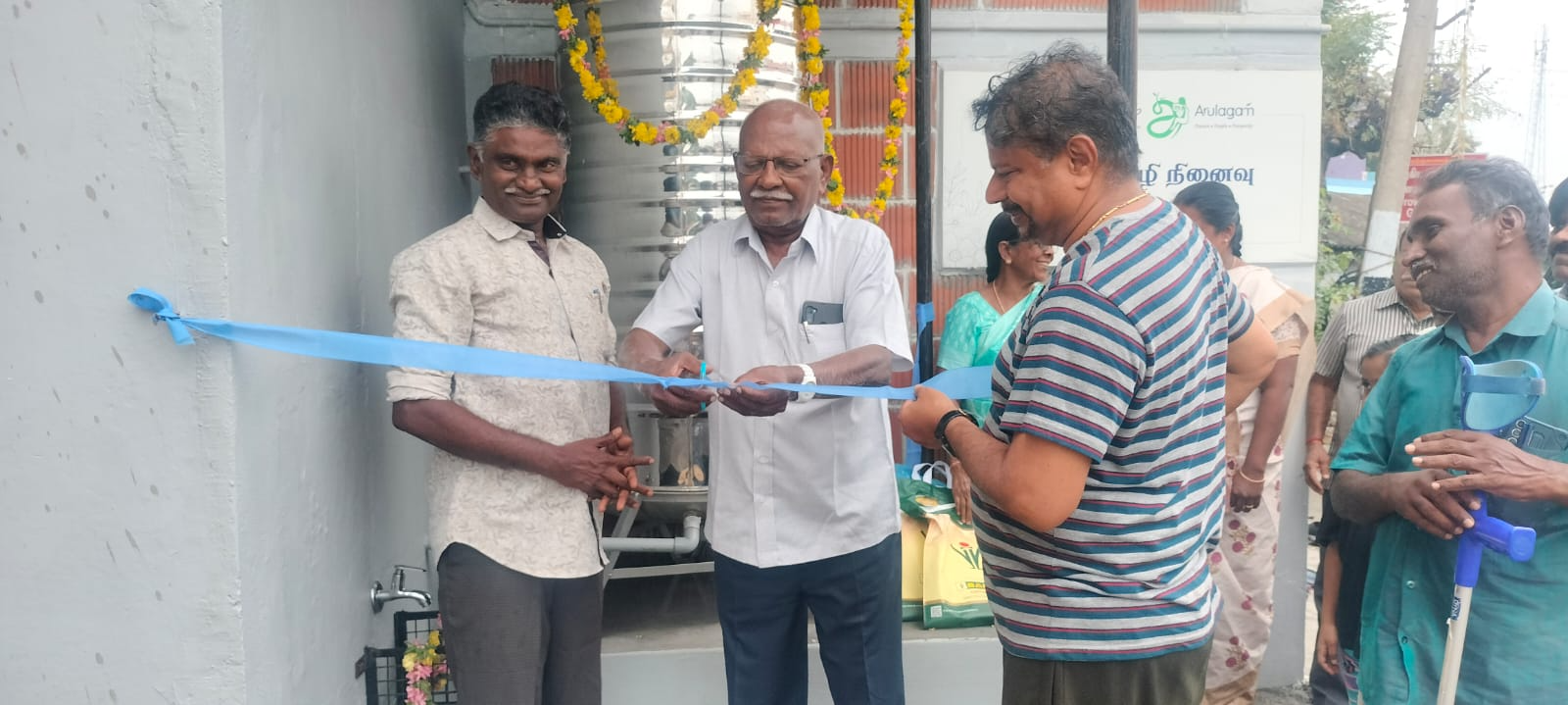
அருள்மொழி நினைவுத் தண்ணீர்ப் பந்தல்
நீரின்றி அமையாதுலகு
தவிச்ச வாய்க்குத் தண்ணீர் தர வேண்டும் என்பது வழக்குமொழி. வீட்டுக்குள் வருபவர்கட்கு முதலில் குடிக்கத் தண்ணீர் தருவது நல்லதொருப் பண்பாடாக இன்றளவும் இருந்து வருகிறது. தற்போது தண்ணீர் என்பது வணிகப்பொருளாகத் திட்டமிட்டு அரசுகளாலும் வணிக நிறுவனங்களாலும் மாற்றப்பட்டு விட்டது. தண்ணீர் என்றாலே புட்டியில் அடைக்கப்பட்டது எனவும் அதுதான் பாதுகாப்பானது எனவும் நம் அனைவரும் மூளைச் சலவை செய்யப்பட்டுவிட்டோம். தண்ணீரில் மூலம் பரவும் நோய்களைக் காட்டி அச்சுறுத்தி எளியமனிதர்களையும் புட்டிக்குள் அடைத்துவிட்டனர்.
இதற்கு மாற்றாகப் பாதுகாப்பானக் குடிநீரை வழங்கவேண்டும் என்று யோசித்தபோது மழைநீரை விடப் பாதுகாப்பான நீர் இல்லை. எனவே முதலில் நம் வீட்டுக் கூரையில் விழும் மழைநீரைச் சேகரிக்கலாம் என முடிவு செய்தோம். அதற்காக 30000 லிட்டர் கொள்ளலவு கொண்டத் தொட்டி நிலத்தடியில் கட்டப்பட்டு மழைநீரை வடிகட்டிக் குடிநீராக வழங்க அருளகம் முடிவு செய்தது. இதன்மூலம் ஓரளவு பிளாஸ்டிக் குப்பிப் பயன்பாடுக் குறைந்தாலும் மகிழ்ச்சியே. அருள்மொழி நினைவுத் தண்ணீர்ப் பந்தல் (19-1-2024) அன்று ஓய்வுபெற்றக் கால்நடை மருத்துவர் திரு. கணேசன் அவர்களால் திறந்து வைக்கப்பட்டது. அவரது திருக்கரங்களால் திறந்து வைகப்பட்டது மிக்க மகிழ்ச்சி. அவர் குடும்பத்தார் சார்பாக ஊரில் வயதான நான்கு பெரியவர்களுக்கு (இரண்டு ஆண்கள், இரண்டு பெண்கள்) துணிகளும் பயன்படு பொருளும் வழங்கப்பட்டன. இந்நிகழ்வுக்கு கால்நடை மருத்துவர் திரு.வி.விஜயகுமார் அவர்கள் முன்னிலை வகித்தார். இசை அமைப்பைச் சேர்ந்த சின்னையா, ஓய்வு பெற்றக் கல்லூரி முதல்வர் திரு. பாலகிருக்ஷ்ணன் ஆகியோர் முன்னிலை வகித்தனர்.
இது குறித்து அருளகத்தின் செயலர் சு.பாரதிதாசன் குறிப்பிடும்போது, கரூர் மாவட்டத்தில் பயணித்தபோது, ஒரு சிற்றூரில் சிறு பந்தல்போடப்பட்டு அதற்குக் கீழே மண்பானையும் குவளையும் வைக்கப்பட்டிருந்தது தான் இதற்குத் தொடக்கப்புள்ளியாக அமைந்தது எனவும் அருள்மொழி நினைவுத் தண்ணீர்ப்பந்தலை திறந்து வைக்கப் பொருத்தமான ஒரு மனிதரை யோசித்தபோது டாக்டர் கணேசன் அவர்கள் தான் மனதில் வந்தது எனவும் அவரது திருக்கரங்களால் தண்ணீர்பந்தலைத் திறந்து வைத்தது மிகவும் பொருத்தமாக அமைந்தது எனவும் பெருமை கொள்ளவைத்தது என்றும் குறிப்பிட்டார்.

நிமெசுலைட் (Nimesulide) தடைக்குப் பின்னர்
நிமெசுலைட் (Nimesulide) தடைக்குப் பின்னர்.
இந்த ஆண்டின் தொடக்க நாளில் இன்பத்தேனாய் ஒரு செய்தி வந்து பறவை ஆர்வலர்களுக்கு மகிழ்ச்சியளித்தது.
‘நிமெசுலைட்’ (Nimesulide) மருந்தைக் கால்நடைப் பயன்பாட்டிலிருந்து விலக்கிக்கொள்வதாக ஒன்றிய அரசின் குடும்ப நல அமைச்சகம் (Ministry of Health and Family Welfare) வெளியிட்ட செய்திதான் அம் மகிழ்ச்சிக்குக் காரணம்.
இதற்காக ஒன்றிய அரசுக்கும், குடும்ப நல அமைச்சகத்திற்கும், பரிந்துரைத்த மருந்துகள் நுட்ப அறிவுறுத்தல் வாரியத்திற்கும் (Drug Technical Advisory Board) நன்றியினை உரித்தாக்குகிறோம். 2006-ஆம் ஆண்டு டைக்லோபினாக் (diclofenac) மருந்துக்கு விடுக்கப்பட்ட தடைதான் இதற்குத் தொடக்கப்புள்ளியாக அமைந்தது.
இம்மருந்துகள் யாவும் ஊக்கி கலக்காத, வீக்கத்தை மட்டுப்படுத்தும் மருந்து வகையைச் சேரும் (Non-steroidal anti-inflammatory drugs (NSAIDs). இம் மருந்துகள் கால்நடைகளுக்கு மடிவீக்கம், மூட்டுவலி, சுளுக்கு, காய்ச்சல் போன்ற நோய்க்கூறுகளைக் குணமாக்கத் தரப்படுகின்றன.
பாறு கழுகுகள் கூட்டங் கூட்டமாக மடிந்ததற்கு டைக்லோபினாக் தான் முதன்மைக் காரணம் என அசைக்க முடியாத ஆய்வுகள் மூலம் மருத்துவர் லிண்ட்சே ஓக்சு (J Lindsay Oaks) தலைமையிலான குழு 2003-ஆம் ஆண்டு முதன்முதலில் உறுதிப்படுத்திற்று.
மருந்து புகட்டப்பட்டுக் குணமாகாமல் இறந்த கால்நடைகளை ஊருக்கு ஒதுக்குப்புறமாகப் போடுவது வழக்கம். மருந்தின் வீரியம் சில வாரங்களுக்கு மாட்டின் உடலில் இருக்கும். அதை எதிர்பாராமல் உண்ட ‘பாறு’ கழுகுகளின் சிறுநீரகத்தை அம்மருந்து செயலிழக்கச் செய்து உயிரிழப்பை ஏற்படுத்துகிறது என அறிவியல் ஆய்வுகள் உறுதி செய்தன. இந்தியக் கால்நடை ஆராய்ச்சி நிறுவனமும் இதனை மீள் ஆய்வு செய்து உறுதி செய்தது.
டைக்லோபினாக் மருந்து மட்டுமின்றி அசிக்லோபினாக் (Aceclofenac), ப்லூநிக்சின் (Flunixin), கார்ப்ரோபென் (Carprofen), நிமெசுலைட் (Nimesulide), கீட்டோபுரோபென் (Ketoprofen) உள்ளிட்ட மருந்துகளும் பாறு கழுகுகளுக்குத் தீங்கு செய்யும் எனவும் குறிப்பாக அசிக்லோபினாக் மருந்து உடலில் செலுத்தியபின்னர் டைக்லோபினாக் மூலக்கூறாக மாறி அதே சிக்கலை ஏற்படுத்தும் என அப்போதே நடத்தப்பட்ட தொடர் ஆராய்ச்சிகள் உறுதிபடத் தெரிவித்தன. மேலும் நிமெசுலைட் மருந்து டைக்லோபினாக் மருந்தை விட உடனே எதிர்வினையாற்றிப் பாறு கழுகுகளைப் பாதிக்கிறது எனவும் ஆராய்ச்சி முடிவுகள் தெரிவித்தன. பாதுகாப்பான மாற்று மருந்தாக மெலாக்சிகம் (Meloxicam) மற்றும் டோல்பினாமிக் ஆசிட் (Tolfenamic acid) ஆகிய மருந்துகள் மட்டுமே அரசால் பரிந்துரைக்கப்பட்டன.
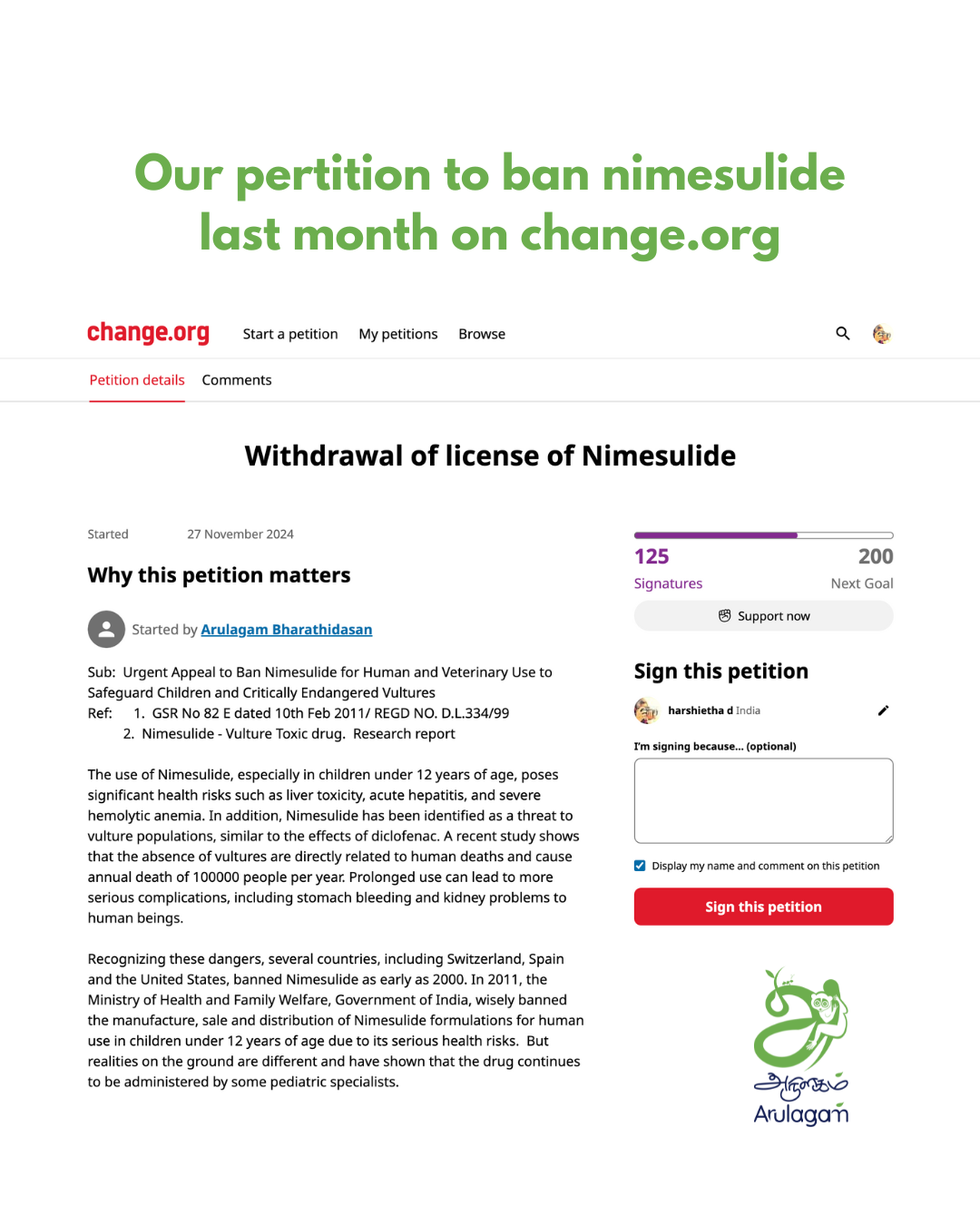
டைக்லோபினாக் மருந்தைத் தடைசெய்ததற்குப் 17 ஆண்டுகளுக்குப் பின்னரே அதாவது 2023 - ஆம் ஆண்டுதான் அசிக்லோபினாக் மற்றும் கீட்டோபுரோபென் ஆகிய மருந்துகள் தடைசெய்யப்பட்டன என்பது குறிப்பிடத்தக்கது. தற்போது தடைசெய்யப்பட்டுள்ள நிமெசுலைட் மருந்து மனிதர்களுக்கு முதுகுவலி, காய்ச்சல், நாள்பட்ட வலி, பெண்களின் மாதவிடாய்த் தொல்லைக்கும் கைகண்ட மருந்தாகப் பயன்படுத்தப்படுகிறது.
இம்மருந்து மனிதர்களுக்கு குறிப்பாகச் சிறார்களுக்குக் கல்லீரல் வீக்கம், கல்லீரல் அரிப்பு, குருதிச் சிவப்பணுக்கள் சிதைவு, சிறு நீரகக் கோளாறு உள்ளிட்ட பின் விளைவுகளை ஏற்படுத்துவதைக் கருத்தில்கொண்டு ஆஸ்திரேலியா, நியூசிலாந்து, ஜப்பான், கனடா, அமெரிக்க ஒன்றிய மாநிலங்கள், ஐரோப்பிய ஒன்றியத்தைச் சேர்ந்த பின்லாந்து, ஸ்பெயின், பெல்ஜியம், அயர்லாந்து ஆகிய நாடுகள் 2000-ஆம் ஆண்டின் தொடக்கத்திலேயே மனிதர்களுக்குப் பயன்படுத்துவதை முற்றாகத் தடை செய்துள்ளன என்பது குறிப்பிடத்தக்கது.
இந்திய ஒன்றிய அரசும் 2011-ஆம் ஆண்டே இம்மருந்தை 12 வயதுக்குக் கீழ் உள்ள சிறார்களுக்குப் பயன்படுத்தக்கூடாது என்று தடைசெய்தது. ஆயினும் தொடர்ந்து இம்மருந்து சிறார்களுக்குப் பயன்படுத்தப்படுவதையும் மருத்துவர்களுக்கே போதிய விழிப்புணர்வு இல்லை என்பதையும் சுட்டிக் காட்டி இது குறித்து விழிப்புணர்வு ஏற்படுத்துமாறு கடந்த அக்டோபர் மாதம் சுற்றறிக்கை ஒன்றைக் கண்காணிப்பு நிறுவனமான இந்திய மருந்தியல் ஆணையம் (Drug Control General)அனுப்பியது.
மனிதர்களுக்கு, அதுவும் சிறார்களுக்குத் தீங்கு செய்யும் என உறுதிபடத் தெரிந்தும் மருத்துவர்கள் தொடர்ந்து பயன்படுத்தி வரும் நிலைமை இருக்கும்போது கால்நடைப் பயன்பாட்டிற்கு விடுக்கப்பட்ட தடை எவ்விதம் பலனளிக்கக்கூடும் என்ற முதன்மையான கேள்வி எழுகிறது.
மருத்துவர் அளிக்கும் பரிந்துரைச் சீட்டு இன்றி நம்மூரில் எளிதாக எவ்வித மருந்தையும் வாங்கமுடியும் என்பதும் மருந்துக்கடை தவிர பெட்டிக்கடையிலும் வலிப் போக்கி மருந்துகள் விற்கப்படும் என்பதும் ஊர் அறிந்தது.
டைக்லோபினாக் தடை கடந்து வந்த வழியைப் பார்க்கும்போது இந்த ஐயம் கூடுதலாகிறது. ஆம். இம்மருந்தைக் கால்நடைப் பயன்பாட்டிலிருந்து விலக்கிக்கொள்வதாக 2003-ஆம் ஆண்டு மார்ச் மாதம் அன்றைய தலைமை அமைச்சர் மாண்புமிகு மன்மோகன்சிங் தலைமையில் நடைபெற்ற ஓர் உயர்மட்டக் குழுக் கூட்டத்தில் முடிவெடுக்கப்பட்டது. ஆயினும், அந்த ஆணை 16 மாதங்கள் கழித்து 2006-ஆம் ஆண்டு சூலை மாதந்தான் அரசிதழில் வெளியாகிற்று.
மனிதர்களுக்கு அம்மருந்து தொடர்ந்து பயன்பாட்டில் இருந்ததாலும் பெரிய அளவிலான புட்டிகள் (30 மிலி, 100 மிலி) தடைசெய்யப்படாததாலும் அவை மடைமாற்றம் செய்யப்பட்டுக் கால்நடைகள் பயன்பாட்டுககுத் தொடர்ந்து கிடைத்து வந்தன. இது அரசின் கவனத்துக்குக் கொண்டுவரப்பட்டு மருந்துக் குப்பியின் மீது ‘கால்நடைப் பயன்பாட்டிற்கு அல்ல’ என்ற எச்சரிக்கை வாசகம் பொறிக்கப்பட்டது. ஆயினும் அதுவும் பெரிதாகப் பலனளிக்கவில்லை. தொடர்ந்து கால்நடைகளுக்குப் பயன்படுத்தப்பட்டே வந்ததைக் கள நிலவரம் உணர்த்திற்று. அதனைக் கண்காணிப்பதில் உள்ள சிக்கலைக் கருத்தில்கொண்டு 3மிலி அளவுக்கு மேல் தயாரிக்கவே அனுமதிக்கக் கூடாது என்ற வேண்டுகோள் மீண்டும் அரசுக்கு விடப்பட்டது. அதனை ஏற்றுக்கொண்டு 2015-ஆம் ஆண்டு 3மிலி அளவுக் குப்பிக்கு மேல் டைக்லோபினாக் மருந்தைத் தயாரிக்க மருந்துக் கட்டுப்பாட்டுத் துறை தடை விதித்தது. மருந்துக் கம்பெனிகள் நீதிமன்றத்தை அணுகி அந்த ஆணையை இடைநிறுத்தம் செய்தன. ஒன்றிய அரசு மற்றும் மாநில அரசின் ஒத்துழைப்பினாலும் கட்டுரையாளர் எடுத்த கூட்டு முயற்சியின் காரணமாகவும் இடைக்காலத் தடை உத்தரவு 2017-ஆம் ஆண்டு நீக்கப்பட்டது.
அசிக்லோபினாக், கீட்டோபுரோபென், நிமெசுலைட் ஆகிய மருந்துகளும் கால்நடைப் பயன்பாட்டுக்குத் தடை என்பதாகத்தான் அரசிதழில் வெளியான செய்திக்குறிப்புத் தெரிவிக்கிறதே தவிரப் பெரிய அளவிலான குப்பிகள் (30 மிலி, 100மிலி) தடை செய்யப்படுவது குறித்துக் குறிப்பிடவில்லை என்பது கவனத்தில் கொள்ளத்தக்கது. எனவே இம்மருந்துகளின் பெரிய அளவிலான குப்பிகள் கால்நடைகள் பயன்பாட்டிற்குக் கிடைப்பதைத் தடைசெய்ய முடியாது.
பம்பாய் இயற்கை வரலாற்றுக் கழகம் (The Bombay Natural History Society) உள்ளிட்ட பறவைப் பாதுகாப்பு அமைப்புகள் அண்மையில் மேற்கொண்ட கள ஆய்வுகளின் போது, 2020-ஆம் ஆண்டு தயாரிப்புத் தேதி அச்சிடப்பட்ட மருந்துக் குப்பிகள் மத்தியப்பிரதேசம், இராஜஸ்தான், பீகார், பஞ்சாப், கர்நாடகா ஆகிய மாநிலங்களில் முறைகேடாகக் கிடைக்கப்பெறுவதாகத் தெரிய வந்தது.
தமிழ்நாட்டில் நிலைமை ஓரளவு பரவாயில்லை என்றாலும் அருளகம் அமைப்பு கடந்த டிசம்பரில் மேற்கொண்ட மருந்துக் கடை ஆய்விலும் கவலை அளிக்கும் செய்திகள் கிடைத்தன. அதாவது தடை செய்யப்பட்ட மருந்துகளின் பெயரைக் கூறி அவை கிடைக்குமா என்று கேட்டபோது, தற்போது இருப்பில் இல்லை; தேவைப்பட்டால் வாங்கித் தருகிறோம் எனச் சில மருந்துக் கடைகளில் பதில் தெரிவித்தனர். அதேபோல, தடைசெய்யப்பட்ட மருந்துகளின் சிறிய அளவிலான குப்பிகளை (1மிலி, 3மிலி) மொத்தமாக வாங்கிக் கால்நடைகளுக்குப் பயன்படுத்திக்கொள்ளலாமா எனக்கேட்டபோது பயன்படுத்திக்கொள்ளலாம் எனச் சில மருந்துக்கடைகளில் பதில் வந்தது. இவை எல்லாம் கவலையளிக்கும் பதில்கள்.
தற்போது பாறு கழுகுகள் மிகக் குறைந்த எண்ணிக்கையிலேயே உள்ளன. ஏற்கனவே கடும் வீழ்ச்சியைச் சந்தித்து வரும் பாறு கழுகுகளை வாழ்வாங்கு வாழ வைக்கவும், இத்தடை எதிர்பார்த்த பலனை அளிக்கவும் கீழ்க்காணும் கோரிக்கையை அரசுக்கு முன் வைக்கிறோம்.
பெரும்பாலான நேரம் மருந்துகளைத் தடைசெய்வதில் கால விரயமாகிறது. அதுவும் மருந்துக் கம்பெனிகளை ஊடறுத்து இதைச் செய்யவேண்டிய தேவை இருக்கிறது. அதற்குள் பாறு கழுகுகளின் எண்ணிக்கை மீள முடியாத அளவுக்குச் சரிந்துவிடும் ஆபத்து உண்டு. எனவே,
* இனி எவ்வித மருந்துகளும் கால்நடைகளுக்கு அனுமதிக்கப்படுவதற்கு முன்னதாக, அம்மருந்துகளால் வேறு உயிரினங்களுக்கு ஏதேனும் பின் விளைவுகள் நேருமா என்பதனை இந்தியக் கால்நடை ஆராய்ச்சி நிறுவனம் (Indian Veterinary Research Institute) ஆராய்ந்து பரிந்துரைத்த பின்னரே அனுமதிக்கவேண்டும்.
* முதல்கட்டமாக, ப்லூநிக்சின், கார்புரோபென் ஆகிய மருந்துகள் உடனே தடைசெய்யப்படவேண்டும்.
* கீட்டோபுரோபென், அசிக்லோபினாக், நிமெசுலைட் ஆகிய மருந்துகளை 3மிலி அளவுக்கு மேல் தயாரிப்பதை முற்றாக நிறுத்த வேண்டும்.
* தடை குறித்துக் கால்நடை மருத்துவர்களுக்குத் தனிப்பட்ட முறையில் சுற்றறிக்கை ஒன்றையும் அனுப்ப வேண்டும். மருந்துக் கடைக்காரர்களுக்கும் கால்நடை மருத்துவர்களுக்கும் விழிப்புணர்வுப் பிரச்சாரம் மேற்கொள்ள வேண்டும். இதனைத் தற்போது பாறு கழுகுகள் வலம் வரும் பகுதியிலாவது முதல்கட்டமாக மேற்கொள்ள வேண்டும். ஆயினும் மாட்டுச் சந்தை மூலமும் வாகனம் வழியாகவும் எங்கிருந்து வேண்டுமானாலும் கால்நடைகள் எளிதில் இடம்பெயரும் என்பதால் அடுத்த கட்டமாகப் பிற பகுதிகளுக்கும் இதை விரிவு படுத்த வேண்டும்.
* கால்நடை மருத்துவர்களைத் தவிர பிறரும் மருத்துவம் பார்க்கின்றனர். இதனைக் கருத்தில் கொண்டு மருந்துக் கடைகளுக்கும் சுற்றறிக்கை ஒன்றை அனுப்பி மருத்துவர் பரிந்துரைச்சீட்டு இல்லாமல் மருந்து தரப்படுவதைத் தடுக்கவேண்டும். அதற்கேற்ப ஒவ்வொரு மருந்துக் கடையிலும் வலிமருந்துகள் விற்கப்பட்ட விபரம் (பரிந்துரைத்தவர் பெயர், வாங்கியவர் பெயர், காரணம்) போன்ற குறிப்புகள் பேணப்பட்டு மாதந்தோரும் மருந்துக் கட்டுப்பாட்டுத் துறைக்கு ஒப்படைக்கப்படவேண்டும்.
* தற்போது இணைய வழியிலும் மருந்துகளை எளிதாகப் பெறமுடியும் என்பதால் அதனையும் கட்டுப்படுத்தும் வழிமுறைகளை அரசு கையாள வேண்டும்
* அடிக்கடி மருந்துக் கடைகளில் கண்காணிப்புச் சோதனை மேற்கொண்டு தடை செய்யப்பட்ட மருந்துகள் கிடைக்காவண்ணம் உறுதி செய்யவேண்டும்.
* பாறு கழுகுகளுக்குத் தீங்கு விளைவிக்கும் ஊக்கி கலக்காத வீக்கத்தை மட்டுப்படுத்தும் மருந்துகளுக்கு (Non-steroidal anti-inflammatory drugs (NSAIDs) மாற்றாகச் சித்தா, ஆயுர்வேதா, ஹோமியோபதி, யுனானி மருத்துவமுறைகளையும் மருந்துகளையும் பயன்படுத்த அரசு ஊக்குவிக்க வேண்டும்.
* பாதுகாப்பான மாற்று மருந்துகளை மட்டுமே அரசு மருந்தகங்களுக்கு வாங்க வேண்டும். அத்துடன், அம்மருந்துகள் தள்ளுபடி விலையில் கிடைப்பதற்கு அரசு நடவடிக்கை எடுக்க வேண்டும்.
இவை எல்லாவற்றையும் விட அறம் சார்ந்த வணிகச் சிந்தனைதான் பெருமளவு கைகொடுக்கும். மருந்துக் கடைக்காரர்கள் மீதும் கால்நடை மருத்துவர்கள் மீதும் மிகுந்த நம்பிக்கை இருக்கிறது. அவர்களது உதவியுடன் பாறு கழுகுகள் மீண்டும் வானில் வலம் வரும் என்ற நம்பிக்கை நிறையவே இருக்கிறது.
இத்தடைக்காக பம்பாய் இயற்கை வரலாற்றுக் கழகம் , ஆய்வு மேற்கொண்ட சலீம் அலி பறவையியல் மையம் (Salim Ali Centre for Ornithology and Natural History - Wildlife Institute of India) இந்தியக் கால்நடை ஆராய்ச்சி நிறுவனம், மற்றும் ஆப்ரிக்காவைச் சேர்ந்த ப்ரிட்டோரியா (Pretoria) கால்நடைப் பல்கலைக் கழகம், பறவைகள் பாதுகாப்பிற்கான அரசுரிமைச் சங்கம் (Royal Society for the Protection of Birds), ஆசியாவின் பாறு கழுகுகளை அழிவிலிருந்து மீட்பதற்கான கூட்டமைப்பு (Saving Asia’s Vultures from Extinctions) ஆகிய அமைப்புகள் பெரும்பங்கு வகித்தன.
அருளகமும் நிமெசுலைட் மருந்தை விலக்கக்கோரிக் கையெழுத்து இயக்கம் ஒன்றை நடத்தியது. அத்துடன் குடும்ப நல அமைச்சகத்தின் செயலருக்கும் கடிதம் அனுப்பி இம்மருந்தை விலக்கக்கோரி பரிந்துரைக்குமாறு வேண்டுகோள் வைத்தது. மேலும், கோயமுத்தூர் நாடாளுமன்ற உறுப்பினர் மாண்புமிகு கணபதி இராஜ்குமார் அவர்களுக்கும் கோரிக்கை வைத்தது. தொடர்ந்து முழுமூச்சாகக் களமாடிய அனைத்து நிறுவனங்களுக்கும் நன்றி. இன்னும் பயணம் தொடர்கிறது.
Milestone - Union Govt. Bans Nimesulide, a drug harmful to Vultures
Good news in the New Year - Union Govt. Bans Nimesulide, a drug harmful to Vultures
Early morning on 1st January 2025, my colleague shared a message over WhatsApp stating that the Nimesulide anti-inflammatory drug is being withdrawn from veterinary use. I couldn't believe it! I was in a remote area conducting fieldwork, observing a tagged vulture. While I was still awaiting the official announcement and Gazette notification, I am incredibly grateful to the Minister of Health and Family Welfare, drug controller general of the Union Government of India, for this significant step.
Last month, Arulagam organized a signature campaign to advocate for the withdrawal of Nimesulide. Some people dismissed it as a waste of time, but now we see the fruits and positive steps.
Incontrovertible research has shown that Nimesulide is harmful to vultures. Coincidentally, there were recent reports about the drug's safety concerns in children.
Arulagam also initiated the signature campaign to withdrawal the drug for veterinary usage.And also sent a appeal letter to the Minister for Health and Family Welfare.
This success and credits should go to the tireless work of organizations like the Salim Ali Centre for Ornithology (Wildlife Institute of India), Indian Veterinary Research Institute, Bombay Natural History Society, Saving Asia's Vultures from Extinction, Bird Conservation organizations and those who signed the petition.
However, this is only the first step. The Union Government of India already banned the drugs, Diclofenac, Ketoprofen and Aceclofenac for veterinary use due to the ill effects on vultures. But alarmingly these drugs are still available in the market. Already the vulture population is catastrophically dwindling. Every small action is meaningful to save the remaining vultures is crucial.
To ensure the effective protection of vultures, vial size is also restricted to only 3 ml.
Drug inspectors should conduct frequent periodic raids to prevent the illegal sale of this banned drug.
Before introducing new NSAIDs to the market, safety testing should be conducted to assess their potential hazards to vultures. Nimesulide is proven harmful to children under the age of 14 and hence it should be removed totally.
Still, a long way to go. However, a massive THANK YOU to all who supported by signing the petition and Change.org's platform for amplifying our voice. Wish you a happy New Year.
- Bharathidasan S, Secretary Arulagam.
Page 9 of 25