
யானை மரணம் உணர்த்தும் சேதி
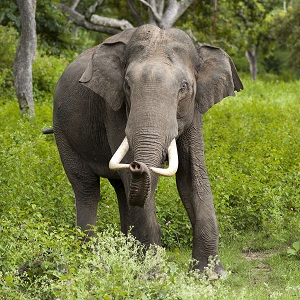
மிசன் மதுக்கரை மகாராஜ் என்ற பெயரில் மதுக்கரை மக்களின் கோரிக்கையை ஏற்று ஒற்றை யானையை உயிருடன் பிடிக்கப் போடப்பட்ட திட்டம் அந்த யானையின் மரணத்தில் முடிந்திருக்கிறது. உண்மையில் அந்த யானை வனத்துறையிடம் பிடிபட்டபோதே செத்து விட்டது என்று தான் சொல்ல வேண்டும். இரண்டாவது தடவையாக அந்த யானை இறந்திருக்கிறது. ஆம் எஞ்சிய காலம் முழுவதும் தன் குடும்பத்தை விட்டுப்பிரிந்து ஏதோ ஒரு பாகன் கையில் அடிமையாய் இருப்பதை விட அந்த யானை இறந்ததேமேல் என்றுதான் எண்ணத் தோன்றுகிறது.
ஒரு நாட்டை அழிக்க அமெரிக்கா செய்யும் செயலைப்போல ஒற்றை யானையை ஒரு தீவிரவாதியாக சித்தரித்து அதிகாலை 4 மணிக்கு இந்த இடத்தை கடக்கும் அப்போது பிடிபட்டு விடும் என்று பின்லேடன் ரேஞ்சுக்கு பரபரப்பை கூட்டி ஊடகத்துறையினரும் செய்தி வெளியிட்ட வண்ணம் இருந்தனர்.
யானை இறந்ததற்கு மயக்க மருந்து அதிகமாகச் செலுத்தப்பட்டது தான் முதன்மையான காரணமாகச் சொல்லப்படுகிறது. அந்த மயக்கத்தினூடேயே 10 மணி நேரம் பயணமாக வரகளியாறு முகாம் கொண்டு செல்லப்பட்டு. உணவு தண்ணீரின்றி கடும் உளைச்சலுக்கு ஆளாக்கப்பட்டு கொட்டிலில் அடைக்கப்பட்டிருக்கிறது. பாதி மயக்கத்தில் என்ன செய்வதெனத் தெரியாத நிலையில் அலைக்கழிக்கப்பட்ட எரிச்சலும் சேர்ந்து கொள்ள அதிலிருந்து மீள முயற்சித்து அதன் மத்தளத்தால் முட்டி மோதியிருக்கிறது. அப்போது ஏற்பட்ட காயத்தால் மண்டையில் இரத்தம் உறைந்து மூளைச் சாவடைந்திருக்கிறது எனத் தெரியவருகிறது. இந்த மரணத்தின் மூலம் நமக்கு பல செய்தியை உணர்த்தி விட்டுச் சென்றிருக்கிறது.
இந்த மரணம் உணர்த்தும் சேதி என்ன?
இதே கேள்வியை வேறு மாதிரி கேட்டால் அனைவருக்கும் எளிதில் புரியுமென்று நினைக்கிறேன். ஏன் யானைகள் காட்டை விட்டு வெளியே வருகின்றன? இந்த கேள்வியே தவறு தான் என்பதால் அப்படி கேட்கத் தோன்றவில்லை. காரணம் இன்று நாம் காடு என வரையறுத்து வைத்துள்ள இடமே மிகவும் ஒருதலை பக்கமானது. அதுவும் மிகவும் சொற்பமான இடங்களே அவைகள் வாழ ஒதுக்கப்பட்டுள்ளது என்பதை நாம் நினைவில் கொள்ளவேண்டும். மேலும் காடுகள் என்பது ஏதோ ஒரு விலங்கு காட்சி சாலை போலவும் விலங்குகள் அந்த இடத்தை விட்டு வெளியே வரக்கூடாது என்ற தவறான பார்வையும் புரிதலும் பொது மக்களிடம் பரவலாக உள்ளது.
இந்தியா முழுவதுமே நன்கு பாதுகாக்கப்படும் காடுகள் வெறும் ஐந்து சதவீதம் தான். எஞ்சி உள்ள காடுகளும் தொடர்ச்சியற்றும் நம்மால் சிறு சிறு துண்டாக சின்னா பின்னப் படுத்தப் பட்டும் வளமற்றும் உள்ளன. நம்மால் பயிர் செய்ய முடியாத பாறைகளையும் முகடுகளையுமே நாம் விலங்குகளுக்கென விட்டு வைத்திருக்கிறோம். வனவிலங்குகள் வாழ்வதற்குத் தோதான அருமையான ஆற்றுப் படுகைகள் வளமான பள்ளத்தாக்குகள் ஆற்றோரங்கள், தடாகங்கள் எல்லாம் ஆன்மீக வாதிகளாலும் கல்வி வள்ளல்களாலும் கார்ப்பரேட் கம்பெனிகளாலும் ரிசார்டுகளாலும் பெரும் விவசாயிகளாலும் ஆக்ரமிக்கப்பட்டுள்ளன. இது போதாதென்று காட்டை ஒட்டியுள்ள நீர் நிலைகளையும் நாலாபுறமும் ஆக்ரமிப்பு செய்துவிட்டோம்.
கோடை காலத்தில் நீர்நிலைகள் வற்றும்போது அந்த இடத்தில் புல் நன்கு வளர்ந்திருக்கும். அந்த வறட்சியான சூழலில் அந்த ஒரு இடத்தில் தான் தீனியும் தண்ணீரும் கிடைக்கும். அந்த இடத்தையும் நாம் விட்டு வைப்பதில்லை அதையும் ஆக்ரமித்து குறுகிய கால வெள்ளாமை செய்வதாலும் ஆடு மாடுகளை மேய்ப்பதாலும் காட்டை ஒட்டியுள்ள அந்த வளமான இடமும் விலங்குகளுக்கு மறுக்கப்படுகிறது. கடும் வெயில் காலத்தில் அவைகள் தாகத்திற்கு தண்ணீர்குடிக்க வருவதற்கே பல மணி நேரம் காத்து இருக்க நேரிடுகிறது. காரணம் காட்டை ஒட்டியுள்ள பகுதியில் இருக்கும் அளவுக்கு அதிகமான மனித நடமாட்டம் தான்.
யானை போன்ற விலங்குகள் உச்சி வெயிலில் இளைப்பாற ஆற்றோரத்தைத் தான் தேர்ந்தெடுக்கும். ஆனால் அதற்கு தேவைப்படும் முக்கியமான இடங்களை எல்லாம் நாம் பலவந்தமாக எடுத்து விட்டு வறண்டு கிடக்கும் பொட்டல் தரைகளை அவைகளுக்கு விட்டால் அவைகள் உணவுக்கும் தண்ணீருக்கும் எங்கு செல்லும்.
இந்தச் சூழலில்தான் அவை காட்டிற்கு அருகாமையில் பசுமையாகத் தெரியும் வெள்ளாமை செய்யும் இடங்களை நாடி வருகின்றன. ஏற்கனவே கடனை உடனை வாங்கி விவசாயம் செய்யும் விவசாயிகளுக்கு இது பெரும் இடஞ்சலாகி விடுகிறது. வனவிலங்குகளால் ஏற்படும் இழப்பை உடனே கணக்கிட்டு அவ்வப்போது அதற்கான நட்ட ஈட்டை பட்டுவாடா செய்தால் அவர்களுக்கும் பேருதவியாய் இருக்கும். அவர்களை அலைக்கழித்து எரிச்சல்படுத்தி அமைச்சர்கள் முன்னிலையில் நிவாரணம் தருவதற்காக காலதாமதப் படுத்தி பந்தாடுகின்றனர். இந்த எரிச்சலை அவர்கள் மறுபடியும் விலங்குகள் மேல் காட்டுகின்றனர். இந்த அடிப்படையில் தான் விவசாயிகள் வனத்துறையினரைப் பார்த்து உங்கள் விலங்கை நீங்கள் காட்டுக்குள்ளேயே வைத்துக் கொள்ளுங்கள் என்று கூச்சலிடுகின்றனர்.
ஆயினும் வேறு மாதிரியான விவசாயிகளும் இருக்கவே செய்கின்றனர். தன் தோட்டத்தை சேதப்படுத்திய யானையைப் பார்த்து ஒரு விவசாயி, நாம ஒரு சான் வயிற்றுக்கே பசிக்கு ஆளாப் பறக்கிறோமே இவ்வளவு பெரிய ஜீவன் என்ன செய்யும் என்று குறிப்பிட்டதைக் கேட்டு வியந்திருக்கிறேன். யானை தன் தோட்டத்திற்கு வந்து சென்றால் சுபகாரியம் கைகூடும் என்ற நம்பும் விவசாயிகளையும் சந்தித்திருக்கிறேன்.
யானைகள் உண்டு அழிப்பதை விட காலில் மிதி பட்டு நேரும் சேதாரம் தான் அதிகம். அதை விரட்டும் போது இங்கும் அங்கும் ஓடுவதால் நேரும் சேதாரத்தால்தான் விவசாயிகள் பெரிதும் பாதிக்கப்படுகின்றனர். போதாக்குறைக்கு சொரணையே இல்லாமல் சுற்றி நின்று வேடிக்கை மட்டுமே பார்க்கும் கூட்டத்தாலும் செல்பி எடுக்கும் சிறு புத்திக்காரர்களாலும் யானைகளும் வனத்துறையினரும் படும் துயரம் சொல்லி மாளாது.
நிர்பந்தம் காரணமாக அவைகள் காட்டை விட்டு வெளியே வந்தாலும் தனக்கு பாதுகாப்பு காடுதான் என்று அவைகள் திரும்பிச் செல்ல நினைத்தாலும் முடிவதில்லை. காரணம் ரியல் எஸ்டேட் கும்பல்களாலும் ரிசார்ட்டுகளாலும் சுரங்கம்தோண்டும் போது வெடிக்கும் வெடியாலும் மணல் குவாரிகளாலும் மின் வேலிகளாலும் முள் கம்பி வேலிகளாலும் மின் விளக்காலும் அவை திரும்பிச் செல்லும் இடம் தெரியாமல் கண்ணைக் கட்டி நாட்டில் விட்டதைப் போல திக்குமுக்காடுகின்றன.
இதனால் வனத்துறையினருக்கு யானைகளைச் சமாளிப்பதே பெரிய சவாலாக உள்ளது. யானைகள் என்ற பேச்சை எடுத்தாலே யானை மனித மோதல் தான் முக்கிய இடத்தை வகிக்கிறது. இந்தச்சூழலில் வனவிலங்குகள் பாதுகாப்புக்காக இருக்கும் வனத்துறையும் யானைகள் பாதுகாப்பை விட யானைகளை விரட்டுவதற்குத்தான் முக்கியத்துவம் தருகிறது. தான் பணிபுரியும் காலத்தில் எந்த சிக்கலும் இல்லாமல் தப்பித்தால் போதும் என்றே பெரும்பாலான வனத்துறை ஊழியர்கள் விரும்புகின்றனர். எனவே ஊருக்குள் புகுந்த காட்டு யானைகளை தற்காலிகத் தீர்வாக வெடியை வெடித்து காட்டுக்குள் விரட்டுதல் போன்ற மேலோட்டமான செயல்களை செய்து காலத்தைக் கழித்து விட்டு வேறு இடம் மாற்றலாகிச் சென்று விடுகின்றனர்.
யானை விலங்கு மோதலைத் தவிர்க்க பல்வேறு வழிவகைகளை ஆராய்ச்சியாளர்கள் முன்வைத்தாலும் மக்களின் உளவியலைப் பூர்த்தி செய்யும் விதமாகவும் ஆளும் ஆட்சியாளர்களைத் திருப்திப்படுத்தும் விதமாகவும் இந்த திட்டத்தைச் செயல்படுத்தினால் தனக்கு என்ன இலாபம் கிடைக்கும் என்ற அடிப்படையிலும் தான் அதிகாரிகள் திட்டங்களைத் தேர்ந்தெடுக்கின்றனர். அதாவது அகழி வெட்டுதல், சூரிய மின் வேலி அமைத்தல், தொட்டி கட்டி அதில் தண்ணீர் ஊற்றுதல், தீவனப் புல் வளர்த்தல், சாலையைக் கடக்க மேம்பாலம் அமைத்தல் போன்ற மேலோட்டமான தீர்வுகளைத் தான் செயல்படுத்த விரும்புகின்றனர். அதற்கான காரணம் சொல்லித் தெரிய வேண்டியதில்லை.
யானைகள் எண்ணிக்கை அதிகமாகி விட்டது அதனால் தான் அவை உணவு தேடி ஊருக்குள் வருகின்றன என்று சொல்வதிலும் அர்த்தம் இல்லை. எந்த ஒப்பீட்டின் படி அதன் எண்ணிக்கையைத் தீர்மானிக்கிறோம் என்பதை வைத்துத்தான் இந்த முடிவுக்கு வரமுடியும்.
ஆயினும் வருங்காலங்களில் இப்போது உள்ளதை விட யானைகள் எண்ணிக்கை ஒருவேளை அதிகமாகலாம். இதனால் புதிய புதிய இடங்களில் எல்லாம் யானைகள் புக ஆரம்பிக்கலாம். அதனால் யானைகளுக்கும் மனிதர்களுக்குமான பிணக்கு வருங்காலங்களில் இன்னும் அதிகமாகலாம். மனிதர்களா யானையா என்று பார்த்தால் மனிதர்கள்தான் முதன்மையாகத் தெரிவார்கள். காரணம் யானைகளுக்கு ஓட்டு இல்லை. இந்த கண்ணோட்டத்தை விட்டுவிட்டு யானைகளுடன் இணக்கமாக வாழ்வது எப்படி என்று திட்டம் வகுக்க வேண்டும். ஏனெனில் யானைகள் காட்டின் ஆதார உயிரினம். காட்டில் யானைகள் இருந்தால் நம் குடிநீருக்கும் பங்கம் வராது. நிலைமை இன்னும் கட்டுப்பாட்டிற்குள் தான் இருக்கிறது. ஊர்கூடித் தேர் இழுக்க வேண்டும்.
நாம் என்ன செய்ய வேண்டும்?
• இந்த திட்டத்தில் வனத்துறையினரோடு வருவாய்த்துறையினர், பொதுப்பணித்துறையினர் விவசாயத்துறையினர், காவல் துறையினரும் கைகோர்க்க வேண்டும்.
• ஆற்றோரக் காடுகள் என்ற அற்புதமான சூழலியல் மண்டலத்தையே நாம் அழித்து மாபாதகம் செய்து விட்டோம். ஆயிரம் ஏக்கர் வளமற்ற காட்டுப்பகுதியை விட சில நூறு ஏக்கர் வளமான ஆற்றுப் படுகைகள் அவைகளுக்குப் பெரிதும் உதவியாயிருக்கும். எனவே எப்படி பட்ட நிலம் இருந்தால் யானைகள் வாழ்வாங்கு வாழமுடியும் என்று ஆய்ந்துணர்ந்து அந்த இடங்களை மீட்டெடுக்க வேண்டும்.
• வனத்துறையில் ஆற்றல் மிகு அலுவலர்கள் பலர் உள்ளனர். அவர்களைப் பயன்படுத்தி ஆற்றோரங்களிலும் நீர்நிலைகளிலும் உள்ள ஆக்ரமிப்புகளை அகற்றி வனவிலங்குகள் சுதந்திரமாகத் திரிய வழிவகை செய்ய வேண்டும்.
• சிதறுண்ட வாழிடங்களை இணைக்கும் நடவடிக்கையையும் அவசரகால அடிப்படையில் மேற்கொள்ள வேண்டும்.
• வருவாய்த்துறையினரிடம் உள்ள வளமான இடங்களை எல்லாம் கண்டறிந்து அவைகள் தனியார் கைகளுக்கும் குவாரி கொள்ளையர்கள் கையிலும் சிக்காமல் சூழல் பாதுகாப்பு நடவடிக்கைகளுக்கு மட்டுமே பயன்படுத்த வேண்டும்.
• பொதுப்பணித்துறையினர் தங்கள் கட்டுப்பாட்டிலுள்ள நீர்நிலைகளை குறுகிய கால குத்தகைக்கு விடுவதைத் தவிர்க்க வேண்டும்.
• ஒப்பந்தம் காலாவதியான இலாபம் தராத தேயிலை, காபி தோட்டங்களை அழித்து விட்டு மறுபடியும் காடாக்கும் நடவடிக்கையினை மேற்கொள்ள வேண்டும்.
• யானைகள் மேயாமல் இருக்கும் மாற்றுப்பயிர் என்ன? அதை வளர்த்தால் விவசாயிகளுக்கு வருவாய் கிடைக்குமா என்பதை வேளாண்துறை ஆய்வு செய்ய வேண்டும்.
• யானைகள் வலசை செல்லும் பாதையில் புதிதாக முள்கம்பி வேலிகளை அமைப்பதைத் தடுப்பதோடு ஏற்கனவே உள்ளதை அகற்றவும் நடவடிக்கை எடுக்க வேண்டும்.
• யானைகளை காட்டுக்குள் விரட்டும் நடவடிக்கையில் உதவிசெய்கிறேன் பேர்வழி என்று பொதுமக்களும் புகைப்படம் எடுப்பவரும் வனத்துறையினருக்கு இடைஞ்சல் செய்வதை தவிர்க்க வேண்டும்.
இந்தப் பணியில் ஊடகத்துறைக்கும் பெரும் பங்குண்டு என்பதையும் பின்வரும் சம்பவம் வாயிலாகக் குறிப்பிட விரும்புகிறேன். ஒருமுறை தளமலையிலிருந்து அருள்வாடிக்கு இரு சக்கர வாகனத்தில் பயணிக்க நேர்ந்தது. வழியில் சாலை ஒரத்தில் ஒரு ஒற்றையானை மேய்ந்து கொண்டிருந்தது. நான் போகலாமா வேண்டாமா என்று ஒரு நிமிடம் யோசித்தேன். என்னைப் பார்த்துவிட்டு தன் உடம்பை பின்பக்கம் திருப்பி நின்று கொண்டு மேய ஆரம்பித்தது. அதன் செய்கை நீ பாட்டுக்கு உன் வழியில் செல் என்று சொல்வதைப் போல இருந்தது. அதை உணர்ந்து படபடப்புடன் அந்த இடத்தை விருட்டென்று கடந்து வந்து இரண்டு கிலோ மீட்டர் தள்ளி வந்து வண்டியை நிறுத்தி புள்ளினங்களைப் பார்த்து என்னை ஆசுவாசப்படுத்திக் கொண்டேன். என்னைப் போலவே பொரி கடலை வியாபாரி, உர மூட்டை எடுத்து வந்த விவசாயி, பால்காரர், எண்ணெய் வியாபாரி என நான்கு பேர் அரை மணி நேரத்தில் அந்த இடத்தை கடந்து சென்றனர். யாருக்கும் எந்த தீங்கும் நேரவில்லை. அடுத்த நாள் டீக்கடையில் அன்றைய செய்தித்தாளை புரட்டியபோது ‘’துரத்தியது காட்டு யானை’’ என்ற தலைப்பில் தாளவாடியில் சுற்றித்திரியும் ஒற்றையானையால் பொதுமக்கள் பீதி என்று அதே யானையைப் பற்றி ஒரு செய்தி வந்திருந்தது.
இதைப் படித்ததும் ஒண்ட வந்த பிடாரி ஊர்ப் பிடாரியை விரட்டியதைப் போல என்ற பழமொழிதான் நினைவுக்கு வந்தது. அவைகளின் வாழிடத்தை நாம் அபகரித்து விட்டு அவைகள் ஊருக்குள் புகுந்து விட்டன என கூப்பாடு போடுகிறோம் என்பதை மட்டுமாவது நினைவில் கொண்டு செய்தி வெளியிடுமாறு வேண்டுகிறோம்.பழங்குடிகள் யானையைப் பற்றிச் சொல்லும் போது பெரியவர் அந்த பக்கம் இருக்கிறார். கவனமாகச் செல்லுங்கள் என்று சொல்லக் கேட்டிருக்கிறேன். அப்படிப் பட்ட மக்கள் அதிகம் இருப்பதாலும் வனத்துறையின் கட்டுப்பாட்டாலும் தான் இன்றும ஆசிய அளவில் அதிகமான எண்ணிக்கையில் முதுமலையை ஒட்டியுள்ள வனப்பகுதியில் யானைகள் வாழ்ந்து வருகின்றன. இந்த பெருமையைத் தக்க வைத்துக்கொள்ளும் பெரும் பொறுப்பு நம் அனைவருக்கும் இருக்கிறது, யானைகள் பெரிய மனம் படைத்த கணவான்கள் என்பதை உரக்கச் சொல்லுவோம்.
Elvira Rat Conservation
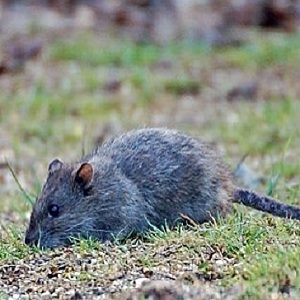
Conservation of the Critically Endangered Elvira rats (Cremnomyselvira) in the type locality, Eastern Ghats of Salem, India
Purpose
To strengthen protection for large rock Rat by research and commnunity participation in Tamil Nadu, India
Objectives
- To find the distribution of Cremnomys elvira in Kurumbapatti Reserver forests and surroundings
- To carryout taxonomic reassessment and molecular analysis of the genus Cremnomys
- To assess the impact of anthropogenic threats
- To initiate the species conservation works
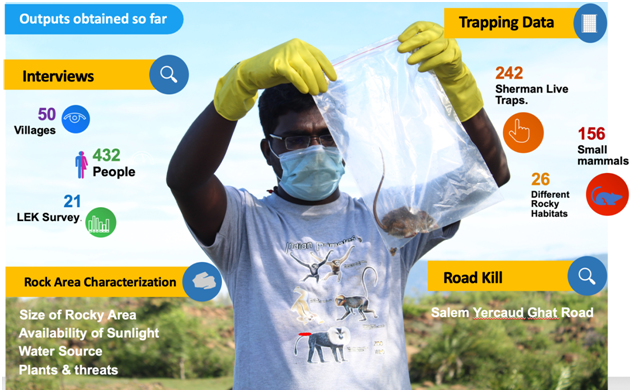 The knowledge gap persists on the local distribution, ecology of the Elvira rats for so many years. And the species, that are nocturnal and can be studied only through systematic trapping. As the specimens are not available in Indian museums and no information on the species existence. Being nocturnal the rats can be studied only systematic trapping. The untold truth is the gaps in wildlife research on small mammals in general. This less attractive species are having very poor attention, further less explored species such as these wild rodents are in peril. The knowledge gap triggers the species in the line of extinction. The higher taxon approach needs to be revised and the Indian scenario of the rodent pest aspects to rodent conservation aspects must be changed. Many saxatile rodents inhabit extreme environments often very difficult to work, difficult to observe their behavior and track; excellent climbing characters and shy behaviors of many rock specialists makes capturing is extremely complicated; rare, threatened or on the verge of extinction. These rats are not protected by the wildlife protection law in India.
IUCN red list recommended that there is a need to undertake surveys to locate Elvira rats, viable populations of this species, and to identify appropriate areas for conservation. We are conducting fieldworks from 2020 and the research works are ongoing.
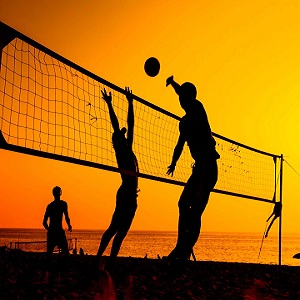
Volleyball Tournament for Vulture Brigade members
Date: November 17-18, 2012
Venue: Anaikatty Village, Nilgiris District
Organisers: Arulagam and Ayyan Thiruvalluvar Youth Welfare Society, Anaikatty
Target group: Tribal Youth of Nilgiri District
Purpose: To spread awareness about endangered vultures and threat to vulture populations because of Diclofenac drug.
Medium: Volleyball Tournament
Funding / Collaboration: CEPF, Mrs. Ramadevi, Mr.K.John, Mr.Basavan, Mr.Bommarayan, Mr. Ravi, Mr. B.A. Eswaran, IDA, Kowmaram Suchila International School.
A District Level Volleyball Tournament was organised by Ayyan Thiruvalluvar Youth Welfare Society, Anaikatty on November 17 & 18, 2012 at Anaikatty Village, a remote tribal hamlet in Nilgiris.
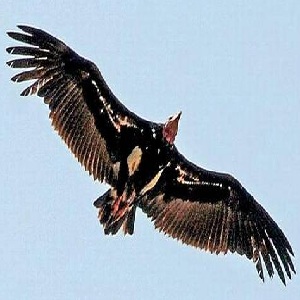
Poet Bharathi and Vultures
Legendary poet ‘Subramania Bharathi’s and Vulture

On the eve of the Centenary death anniversary of legendary poet and freedom fighter Subramania Bharathi, ‘Arulagam’ organisation commemorate his memory by linking with vulture conservation.
Poet Bharathiar was not only raised the voice for the nation but also for the nature, universe, the birds, mountains…..etc..,
When poet Subramania Bharathi wrote a poem (“Muppadhu Kodi Mugamudaiyal…,) in 1920’s, India had 300 million people and the number of vultures at that time in Indian landscape totalled more than 4 million. Just less than a hundred years later, our human population raced up to 1.3 billion. And the vultures?
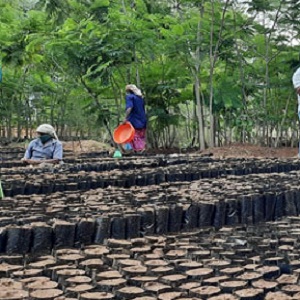
Poonthalir Nursery
Native tree saplings are available in Poonthalir Nursery for sale. We maintain nearly 100 varieties of native trees that are rarely available. Poonthalir Nursery is a part of Arulagam, aiming to grow native rare varieties of trees, butterfly-attracting trees, fruit-bearing trees, timber value trees, etc., The trees are grown up to 3 feet which ensures the sustainability after planting.
|
S.No. |
Local name |
Botanical name |
Quantity |
|
1 |
செங்கருங்காலி |
Acacia catechu |
50 |
|
2 |
சீயக்காய் |
Acacia concinna |
700 |
|
3 |
பரம்பை |
Acacia ferruginea |
50 |
|
4 |
வெள்வேல் |
Acacia leucophloea |
2000 |
|
5 |
வசம்பு |
Acorus calamus |
50 |
|
6 |
பொந்தம்புளி |
Adansonia digitata |
200 |
|
7 |
ஆனைக் குன்றிமணி |
Adenanthera pavonia |
500 |
|
8 |
வில்வம் |
Aegle marmelos |
200 |
|
9 |
பெருமரம் |
Ailanthus excelna |
100 |
|
10 |
உசில் |
Albizia amara |
2000 |
|
11 |
வாகை |
Albizia lebbeck |
500 |
|
12 |
கருவாகை |
Albizia procera |
1000 |
|
13 |
முந்திரி |
Anacardium occidentale |
50 |
|
14 |
முள்சீதா |
Annona muricata |
200 |
|
15 |
சீதா |
Annona squamosa |
500 |
|
16 |
காட்டெலுமிச்சை |
Atlantia monophylla |
100 |
|
17 |
வேம்பு |
Azadirachta Indica |
1000 |
|
18 |
மூங்கில் |
Bambusa bambusa |
5000 |
|
19 |
நீர் அடம்பை |
Barringtonia acutangula |
200 |
|
20 |
திரு ஆத்தி |
Bauhinia purpurea |
100 |
|
21 |
ஆத்தி |
Bauhinia racemosa |
1500 |
|
22 |
பதிமுகம் |
Biancaea sappan |
50 |
|
23 |
முருகன் மரம் |
Butea monosperma |
1000 |
|
24 |
வேலிக் கொன்றை |
Caesalpinia bonducella |
100 |
|
25 |
பறம்பு |
Calamus rotang |
100 |
|
26 |
புன்னை |
Callophyllum inophyllum |
500 |
|
27 |
களாக்காய் |
Carrisa carandas |
250(R) |
|
28 |
கூந்தல் பனை |
Caryota urens |
500 |
|
29 |
ஆவாரை |
Cassia auriculata |
500 |
|
30 |
சரக் கொன்றை |
Cassia fistula |
500 |
|
31 |
கருக்குவாச்சி |
Cassia glauca |
400 |
|
32 |
தாமிரத்துளிர்க் கொன்றை |
Cassia grandis |
100 |
|
33 |
இளஞ்சிவப்புக் கொன்றை |
Cassia javanica |
100 |
|
34 |
மாணிக்கக் கொன்றை |
Cassine glauca |
2000 |
|
35 |
பொரசு |
Chloroxylon swietenia |
500 |
|
36 |
பிரண்டை |
Cissus quandrangularis |
50 |
|
37 |
அலங்காரக் கொன்றை |
Colvillea racemose |
100 |
|
38 |
சிறு நரிவிழி |
Cordia obliqua |
400 |
|
39 |
நாகலிங்கம் |
Courtoupita guianensis |
50 |
|
40 |
மாவிலங்கம் |
Crateva religiosa |
250 |
|
41 |
திருவோடு |
Crescentia cujete |
500 |
|
42 |
சிசு- ஈட்டி |
Dalbergia sissoo |
3000 |
|
43 |
கருங்காலி |
Diospyros ebenum |
200 |
|
44 |
வக்கனை |
Diospyros montana |
100 |
|
45 |
விராலி |
Dodonea viscosa |
500 |
|
46 |
சீமை வாகை |
Enterolobium cyclocarpum |
100 |
|
47 |
திருகு கள்ளி |
Euphorbia tirucalli |
100 |
|
48 |
ஆல் |
Ficus benghalensis |
50 |
|
49 |
அத்தி |
Ficus racemosa |
200 |
|
50 |
அரசு |
Ficus religiosa |
200 |
|
51 |
கொடம்புளி |
Garcinia spicata |
50 |
|
52 |
குமுள் |
Gmelina arborea |
200 |
|
53 |
தடசு |
Grewia tilifolia |
250(R) |
|
54 |
கடற்கொஞ்சி |
Glycosmis mauritiana |
25 |
|
55 |
ஆச்சான் |
Hardwickia binata |
300 |
|
56 |
வால்சுரா |
Walsura trifoliata |
2000 |
|
57 |
ஆவி |
Holoptelea integrifolia |
2000 |
|
58 |
காட்டாமணக்கு |
Jatropha curcas |
500 |
|
59 |
காயா |
Khaya senegalensis |
500 |
|
60 |
சிவன் குண்டலம் |
Kigelia pinnata |
500 |
|
61 |
ஓதியன் |
Lannea coromandelica |
3000 |
|
62 |
மருதோன்றி |
Lawsonia inermis |
300 |
|
63 |
விளாம் |
Limonia acidissima |
5000 |
|
64 |
இலுப்பை |
Madhuca longifolia |
2000 |
|
65 |
மா |
Mangifera indica |
50 |
|
66 |
காயாம்பு |
Memecylon umblellatum |
500 |
|
67 |
மரமல்லி |
Millingtonia hortensis |
100 |
|
68 |
மகிழம் |
Mimusops elengi |
500 |
|
69 |
நோனி |
Morinda citrifolia |
400 |
|
70 |
நுணா |
Morinda coreia |
200 |
|
71 |
பட்டுப்பூச்சி மரம் |
Morus alba |
100 |
|
72 |
சக்கரைப் பழம் |
Muntingia calabura |
50 |
|
73 |
கரிவேப்பிலை |
Murraya koenigii |
100 |
|
74 |
கொடுக்காய்ப் புளி |
Pithecellobium dulce |
500 |
|
75 |
புங்கம் |
Pongamia pinnata |
1000 |
|
76 |
கொய்யா |
Psidium guava |
100 |
|
77 |
வேங்கை |
Pterocarpous marsupium |
200 |
|
78 |
புத்தா மரம் |
Pterygota alata |
1000 |
|
79 |
மாதுளை |
Punica granatum |
100 |
|
80 |
பருபலா |
Putranjuva roxburghii |
1000 |
|
81 |
சந்தனம் |
Santalum album |
100 |
|
82 |
பூச்சக்காய் |
Sapindus mukorossi |
200 |
|
83 |
பூவந்திக் கொட்டை மரம் |
Sapindus emarginata |
300 |
|
84 |
அசோக மரம் |
Saraca indica |
200 |
|
85 |
பூவன் |
Schleichera oleosa |
50 |
|
86 |
சொர்க்க மரம் |
Simaraouba glauca |
200 |
|
87 |
குதிரைக் குளம்பன் |
Sterculia foetida |
500 |
|
88 |
பராய் |
Streblus asper |
200 |
|
89 |
தேத்தாங்கொட்டை |
Strychnos potatorum |
50 |
|
90 |
எட்டி |
Strychnus nox-vomica |
50 |
|
91 |
நாவல் |
Syzygium cumini |
8000 |
|
92 |
வசந்த ராணி |
Tabebuia rosea |
100 |
|
93 |
புளி |
Tamarindus indicus |
500 |
|
94 |
மருது |
Terminalia arjuna |
1000 |
|
95 |
தான்றி |
Terminalia bellerica |
200 |
|
96 |
கருமருது |
Terminalia elliptica |
200 |
|
97 |
பூவரசு |
Thespesia populnea |
1000 |
|
98 |
பொன்னரளி |
Thevetia peruviana |
200 |
|
99 |
தங் எண்ணெய் மரம் |
Vernicia fordii |
1000 |
|
100 |
நொச்சி |
Vitex leucoxylon |
300 |
|
101 |
நூல்பனை |
Washingtonia filifera |
500 |
|
102 |
நரிவால் பனை |
Wodetia bifurcata |
200 |
|
103 |
வெப்பாலை |
Wrightia tinctoria |
2000 |
|
104 |
இலந்தை |
Ziziphus mauritina |
1000 |
|
105 |
கொள்ளுக்கரிச்சான் |
Ziziphus oenoplia |
500 |
*Stock of the trees are subject to change
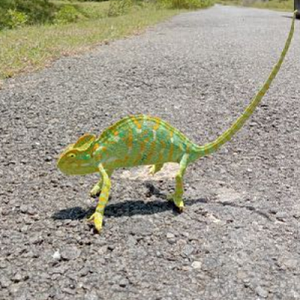
பச்சோந்தியும் பாறுவும்
பாறு கழுகுகளும் பச்சோந்தியும்
பின்பனிக் காலம், பாறு கழுகுகள் கூடமைக்கத் தயாராகும் காலம் என்பதால் அதுதொடர்பானகளப்பணிக்குமுதுமலைக்குப் பயணித்தோம்.என்னுடன்ஆராய்ச்சியாளர்மணிகண்டனும்உடன்வந்தார். கார்காலம்வனத்தைச்செழிப்பாக்கியிருந்தது. மாயாறுசெல்லும்சாலையில்பயணித்தபோதுபச்சோந்தி ஒன்று சாலையில்கண்ணில்பட்டது. காற்றில்குச்சிஅசைவதுபோலஅடி மேல் அடி எடுத்து வைத்து நகரும் அழகை அது சாலையைக் கடக்கும் வரை ஓரமாக நின்று இரசித்துக் கொண்டிருந்தோம். கூடவே எதிர்ப்புறம் விரைந்து வரும் வாகனத்தால் அது அடிபட்டு விடக்கூடாது என்பதிலும் கவனமாயிருந்தோம். நாங்கள் பார்த்துக் கொண்டிருக்கும்போதே அதன் உருவம் கபில நிறத்திற்கு மாறியது. கண்களை ஓர் உருட்டி உருட்டி தலையைச் சாய்த்து என்னைப் பார்த்தது. அதன் பார்வை, என்னை ஏனடா நீங்கள் அடிக்கடி கட்சி மாறும் அரசியல்வாதிக்கு ஒப்பிடுகிறீர்கள் என்பது போல இருந்தது.
அன்று அந்தி சாயும் நேரத்தில்மலைப்பாம்பு ஒன்றும் கண்ணில் பட்டது. அது மெதுவாகத் தன் உடலைச் சுருக்கியும் இழுத்தும் அவ்வப்போது நாக்கை நீட்டியபடி முன்னோக்கி நகர்ந்து விரைவாகச் சாலையைக் கடக்க முயற்சித்தது. நமக்கு அதைப் பார்த்ததும் எப்படி பயம் ஏற்படுகிறதோ அதேபோல அதற்கும் ஏற்பட்டிருக்கும் என்று தோன்றியது. மனிதர்களிடம் மாட்டிக் கொண்டால் ஒன்று அடித்துக் கொன்று விடுவார்கள். அல்லது கழுத்தில் மாலையாகச் சுற்றிக்கொண்டோ அல்லது நான்கைந்து பேர் ஒரு சேர நின்று பிடித்துக்கொண்டோ நிழற்படங்களும் தன்படங்களும் (செல்ஃபி) எடுத்து உண்டு இல்லை என்று பண்ணிவிடுவான்கள் என்று பயந்து இயல்புக்கு மீறிய வேகத்தோடு நகர்ந்தது. ஓரே நாளில் இவை இரண்டையும் பார்த்தது மனதுக்குப் பூரிப்பைத் தந்தது.
அடுத்தநாள்செம்மநத்தம்செல்லும்சாலையிலும்ஒருபச்சோந்திகண்ணில்தென்பட்டது. முதன்முதலாகஇதைச்சற்றேறக்குறைய 30 ஆண்டுகட்குமுன்எனதுதகப்பனாருடன்தேவாங்கைப்பார்ப்பதற்காககரூர்மாவட்டம்கடவூருக்குச்சென்றிருந்தபோதுஓடைமணலில்அதுஓய்யாரமாகநடந்துசென்ற காட்சி என்நினைவுக்குவந்தது. அதன்பின்ஒருமுறைஎன்வீட்டருகிலேயேஇதனைக்கண்டிருக்கிறேன். இதன் உடலமைப்புசுற்றுப்புறச்சூழலோடுவாகாகப்பொருந்திவிடுவதால்பொதுவாகநம்கண்பார்வையிலிருந்துஇவைஎளிதில் தப்பிவிடுகின்றன. திறந்தவெளிக்கு வரும்போது தான் அவற்றைப் பார்க்க முடியும். இது போன்ற அமைப்புடைய பல்வேறு உயிரினங்களை ஒவ்வொரு நாளும் நாம் பார்த்து வியக்க முடியும். அந்தநினைப்புமேலோங்கவண்டியைஓரங்கட்டிவிட்டுஅருகிலிருந்தசிற்றோடை ஓரமாகஈரநிலத்தில்கால்பதித்துபாறுகழுகுகள்கூடமைத்திருக்கும்இடத்தைத்தேடிக்கவனமாகநடந்துசென்று கொண்டிருந்தோம்.
அரைமணிநேரஆற்றோரப்பயணித்திற்குப்பின்இரண்டுமலைப்பாம்புகள் மூங்கில்தூரைஒட்டிவளர்ந்திருந்த உண்ணிச்செடிப் புதரருகே தென்பட்டன. எங்களைக்கண்டதும்இரண்டுமேபுதரினுள்சுருண்டுதன்னைமறைக்கமுயற்சித்தன. புதருக்கு அடியில் குனிந்து பார்த்தபோதுதெரிந்தஅந்தமலைப்பாம்பின்உருவம்என்னைமலைக்கவைத்தவிட்டது. இதுவரைநான்பாரத்ததிலேயேஉருவில்பெரிதானமலைப்பாம்புஇவைதான். எம்மோடுதுணைக்குவந்தபழங்குடியினரான சோமன் அவர்களும் இதையேசொன்னார். காட்டுக்குள்ளேயசுற்றித்திரியும்அவரேஇப்படிக்கூறியது என்னைமேலும்வியப்பிலாழ்த்தியது. ஓடைக்கருகில்நீர்அருந்தவரும்மானைக்கூடஇதுவளைத்துச்சுருட்டிஇரையாக்கிவிடுமளவுக்குஅதன்உடலமைப்புஇருந்தது. அடுத்தவழித்தோன்றலைஉருவாக்கும்முனைப்போடுஅவைஇரண்டும்கலவியில்இருந்திருக்கலாம்,எனவேஅவற்றைத்தொந்தரவுசெய்யவேண்டாம்என்றுஅவ்விடத்தைவிட்டுஉடனேநகர்ந்தோம்.
இந்தப்பாம்பைபார்த்துவிட்டுநகர்ந்தபோது,நான்எட்டாம்வகுப்பில்படித்துக்கொண்டிருந்தபோது, கதைசொல்லும்ஆசிரயராய்வாரம்ஒருமுறைவந்துசெல்லும்தனிஸ்லாஸ்சார்அவர்கள்கூறியகதைஒன்றுநினைவில்வந்துபோனது. அவர்வருகையைஎல்லாமாணவர்களும்ஆவலுடன்எதிர்பார்த்திருப்போம். அன்றுஅவர்வகுப்புக்குவந்தபோதுஎங்கள்ஊருக்குச்சிறப்புசேர்க்கும்சிறுமலையில்நடந்தஉண்மைச்சம்பவம்ஒன்றை அன்றைய வகுப்பில்சொன்னார். அனேகமாகஅந்தச்சம்பவம்அப்போதுதினத்தந்தியில்கூடவெளியாகியிருக்கலாம். அவர்சொன்னகதைஇதுதான்.
சிறுமலையில்இடையன்ஒருவர்ஆடுமாடுமேய்த்துக்கொண்டிருந்திருக்கிறார். இலைதளைகளைத்தீவனமாகவெட்டிப்போடுவதற்குத்தோதாகஇடுப்பில்அரிவாள்ஒன்றையும்சொருகிவைத்திருக்கிறார். அவர்எதிர்பாராதநேரத்தில்மலைப்பாம்புஒன்றுஅவரைச்சுற்றிவளைத்திருக்கிறது. மலைப்பாம்பின்பிடியிலிருந்துஅவர்தப்பமுடியவில்லையாம். அவரோடுசேர்ந்துஅவரதுஇடையில்சொருகிவைக்கப்பட்டிருந்தஅரிவாளும்பாம்பால்விழுங்கப்பட்டுஅதன்உடலுக்குள்செல்லச்செல்லதுருத்திக்கொண்டிருந்தஅரிவாள்பாம்பின்உடலைக்கீறிஇரண்டுதுண்டாக்கிவிட்டதாம்பாம்பின்உடலுக்குள்சென்றவர்இரத்தக்கறையுடன்உயிர்பிழைத்துமீண்டும்வெளியேவந்துநடந்தவற்றைஊராரிடம்சொல்லியிருக்கிறார். இந்தக்கதையைஅந்த ஆசிரியர் எங்களிடம் கூறியபோதுஅவர்அந்தச்சம்பவத்தைநேரில்பார்த்தவர்போல்விவரிப்பதைவியப்போடுகேட்டுக்கொண்டிருந்தோம். கற்பனைக்காட்சியாகஇரத்தக்கறைபடிந்தமனிதனின்பிம்பம்எனக்குள்வந்துபயமுறுத்தியதும்நினைவுக்குவந்தது.
அவரிடம்கதைசொல்லும்உத்திஒன்றுஉண்டு. இந்தவாரம்கதைசொல்லும்போதுபோனவாரம்விட்டதிலிருந்துதொடங்கமாட்டார். போனவாரம்சொன்னதில்பாதியைமீண்டும்சொல்லுவார். இப்படியாகஅவர்ஒருபக்கக்கதையையேநான்குவாரத்திற்குநீட்டிப்பார். எந்தப்பொழுதுபோக்கும்இல்லாமல்இருந்தஅன்றைக்குஎங்களுக்குஅவர்தான்எல்லாம். அவர்வருகைஎங்களைக்குதூகலப்படுத்தும்என்பதுஉண்மை. இப்போதுஎடுக்கப்படும்நெடுந்தொடர்இயக்குநர்கள்அவரிடம்நிறையப்படிப்பினைகளைப்பெறமுடியும். 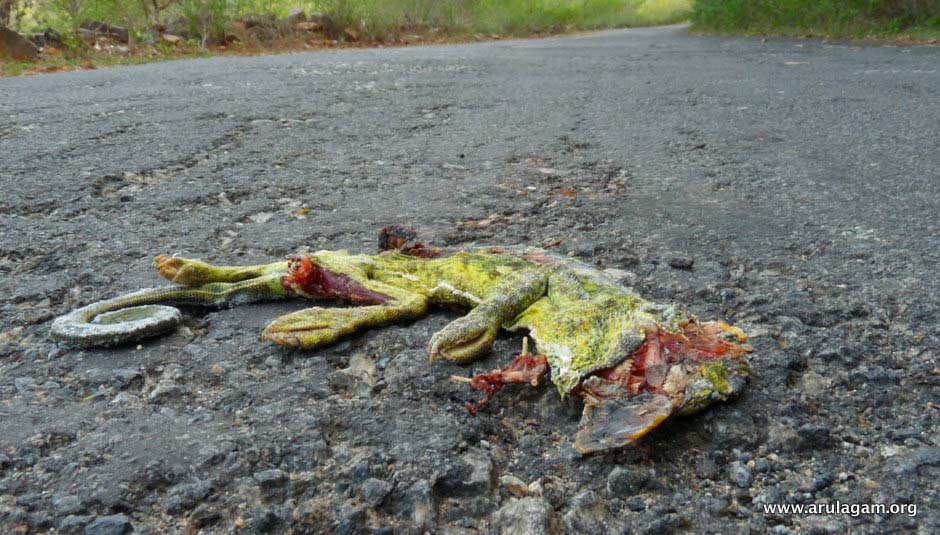
இன்றுஅந்தக்கதையைநினைத்துப்பார்த்தபோது, அதுநிச்சயம்ஒருபுனைவுக்கதையாகத்தான்இருக்கமுடியும்என்றுதோன்றியது. ஒருவிதகதாநாயகத்தன்மையைதனக்குஏற்றுவதற்காகப் பலரும் காட்டுயிர்களைத் தாங்கள் எதிர்கொண்டவிதம் குறித்து இப்படிப்பட்ட கதையைப் புனைவதைக் கேட்டிருக்கிறேன். அண்மையில்வாட்சப்பில்வந்தகாணொலிஒன்றும்நினைவில்வந்துஎரிச்சலூட்டியது. அந்தக் காணொலியில் ஆடுஒன்றைவிழுங்கியமலைப்பாம்பைஉருட்டிமிரட்டிவிழுங்கியஆட்டைக்கக்கவைத்துஅதைப்படமாக்கிப்பதிவிடப்பட்டிருந்தது . தனதுஉடலின்அனைத்துஅணுக்களையும்ஒன்றுதிரட்டி அந்தஆட்டைமலைப்பாம்புவெளித்தள்ளியகாட்சியைப்பார்த்தபோதுஅந்தச்செயலைச்செய்தவர்மேல்எரிச்சல்வந்தது. விழுங்கியஆட்டைவாந்திஎடுக்கவைப்பதுஉவப்பானதாகப்படவில்லை. அறமிழந்தசெய்கையாகப்பட்டது.
இந்தச்சிந்தனைநெஞ்சில்எழஆற்றோரமாய்வளர்ந்திருந்தஒவ்வொருமத்திமரத்திலும்ஏதேனும்கூடுதென்படுகிறதாஎன்றுஅன்னாந்துபார்த்தபடியேநடந்துசென்றோம். பாறைக்கருகேஇருந்தமத்திமரத்தில்ஓரேமரத்தில்இரண்டுகூடுகளைப்பார்த்தோம். அடைகாத்துக்கொண்டிருந்தபாறுகழுகுகள்கூட்டிலிருந்துதலையைநீட்டிப்பார்த்தன. முதல்கூட்டிலிருந்தபறவைகூட்டைவிட்டுவெளியேவந்துமேல்புறக்கிளையில்அமர்ந்துஎங்களைநோட்டம்விட்டது. ஐந்தாறுநிமிடத்திற்குப்பின்மரத்திலிருந்துஎழும்பிஒரு 400 மீட்டர்சுற்றளவிற்குஒருவட்டமடித்துவிட்டுமீண்டும்கூட்டில்அமர்ந்தது. அடைகாக்கும்வேலைமும்முரமாய்த்தொடங்கிவிட்டதுஎன்பதைஅறிந்துமகிழ்ச்சியுற்றோம். இன்னும்இரண்டுவாரம்கழித்துவந்துவேறுஇடங்களுக்கும்சென்றுபார்க்கவேண்டும்என்றுமுடிவுசெய்துவிட்டுத்திரும்பினோம்.
இரண்டுநாட்கள்கழித்துமாயாறுபள்ளத்தாக்கில்அமைந்துள்ளகல்லாம்பாளையம்சென்றபோதும்பச்சோந்திஒன்றுகாராச்சிக்கோரைஊர்அருகேகண்ணில்தென்பட்டது. அய்யலூரில்தேவாங்கைப்பார்க்கப்போனபோதும்ஒருபச்சோந்திஅந்திசாயும்வேளையில்உச்சிக்கிளையில்அமர்ந்துவாலைவட்டமாகச்சுருட்டிமிடுக்குடன்அமர்ந்திருந்தது. அன்றுமுழுநிலவுநாளாய்இருந்ததால்இருட்டியபிறகும்அதன்தோற்றம்தூக்கலாகத்தெரிந்தது. அதன்பின்ஈரோடைமாவட்டம்அந்தியூர்பகுதிக்குச்சென்றுவிட்டுத்திரும்பிக்கொண்டிருந்தபோதும்ஒருபச்சோந்திதென்பட்டது.
இந்த மாதம் பச்சோந்தி மாதம் என்பதைப் போலச் செல்லும் இடங்களிலெல்லாம் அவை தென்பட்டன. எப்போதும்இல்லாமல்இந்தமாதம்மட்டும்இவைகண்ணில்படுவதுஏன்என்பதற்குஅண்மையில்வாட்சப்பில்வந்தபுகைப்படம்ஒன்றுபதிலுரைத்தது. அதில்வாகனத்தில்நசுக்கப்பட்டுமரித்தபச்சோந்திஒன்றும்அதன்வயிற்றிலிருந்துவெளிவந்தஆரஞ்சுநிறமுட்டைகள்பதினேழும்தரையில்அப்பியிருந்ததைஒருஅன்பர்பதிவிட்டிருந்தார். இந்தக்காலகட்டம்இனப்பெருக்கக்காலம்என்பதைஅந்தப்படம்குறிப்பால்உணர்த்தியது. அவைதன்துணையைத்தேடிமாற்றிடம்செல்வதால்தான்அவைஇந்தக்காலகட்டத்தில்நம்கண்ணில்அடிக்கடிபட்டிருக்கக்கூடும்என்றுஅவதானிக்கமுடிந்தது. இந்தகாலகட்டம்தான்பாறுகழுகுகளும்கூடமைக்கும்காலம் என்பதும் கவனத்தில் கொள்ளத்தக்கது.
Voice of a Painter
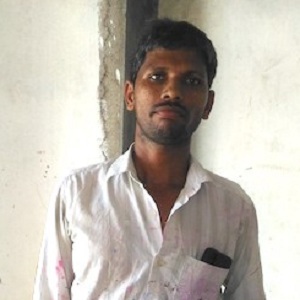
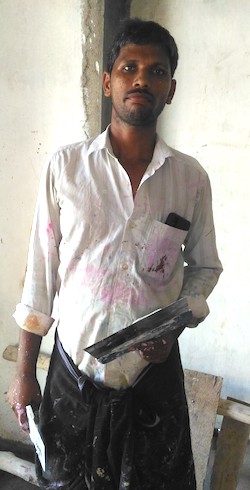 In our country, a fairly good number of unorganized sectors of people are working as painters. Knowingly or unknowingly they become victims because of the continuous exposure of the lead paints (spending about 8-10 hours of day). They suffer from the health impacts. In most cases, they are unable to trace their health implications caused by 'lead' contents in paints.
Let us hear it from R. Suresh, painter working in Madurai, Tamil Nadu, India:
I am R. Suresh (38) and I have been doing a painting job for the last 18 years. I chose this career at the age of 21 due to lack of education. It was unwilling but the last choice for me to make to keep my survival. The first 4 years of my life as a painter started with hard and complicated work like scraping old paints, looming, mixing lime, and assisting the technical workers. I learned the skills and made that as my profession.
Over the years, I have suffered some known and unknown problems. And I get physical exhaustion, mental depression, loss of appetite, and respiratory problems due to my profession. Noticeably, for the last 4 years, I have lost the ability of smell. After diagnosis, the doctor (Ms.Anandhi Kanagaraj, Homeopathy physician, Mela ponnagaram Street, Madurai -dt, Tamil Nadu) declared that my ability of smell is completely lost and she told that it is evident and a common problem for the painters. She further said that, while scraping old paint (containing lead), lead from paint dust can penetrate the nostrils and cause sensory damage. It was shocking for me to hear that lead content in paint is the cause of my pain. Further, people involved in this task are mostly not very educated and thus do not have much awareness about lead toxicity. It is a pity that they are suffering unknowingly like me.
The paint manufacturers should make sure the paint you produce does not contain lead above permissible limit of lead in the paints. I want to reiterate that we have children and families just like you. And the law enforcement authority needs to take concerted efforts to reach out to these manufacturers. Further, a strict monitoring regime needs to be put in place by the concerned authorities to limit lead from household paints, this is the demand of lakhs and lakhs of painting workers like me. And we also demand the government to pay special attention to this issue and regulate it through intensive monitoring and implement some strict laws. Moreover, intensive awareness campaigns should be organized throughout the country as workers like me need to be cautious and knowledgeable about the lead toxicity in paints.
Save Our Child, Ban Lead Paints. said R. Suresh painter.

காரீயம் தவிர்ப்போம், ஆரோக்கியம் காப்போம்
 நாம் ஒரு புதுவகையான அழகான அச்சுறுத்தலை எதிர்கொண்டு வருகிறோம். அந்த அழகான ஆபத்து துடிப்பான நடைபழகக்கூடிய பச்சிளம் குழந்தைகள் மற்றும் கர்ப்பிணிப் பெண்டிரையும் பெரியோர்களையும் பெரிதும் பாதிப்பதோடு இல்லாமல், வாழ்நாள் முழுதும் தொல்லையையும் ஏற்படுத்துகிறது . அந்த அழகான ஆபத்து காரீயம் (LEAD (Pb) எனப்படும் உலோகம் தான் .
Subcategories
Wildlife Article Count: 42
Vulture Conservation Article Count: 27
River Moyar Conservation Article Count: 6
Tiger Conservation Article Count: 3
Renewable Energy Article Count: 1
Petitions Article Count: 1
Publications Article Count: 1
Articles Article Count: 21
Community Article Count: 12
Nursery and Afforestation Article Count: 7
Coastal Conservation Article Count: 1
Page 18 of 25