
Palm Juice Report
Project report Neera
Submitted to:
National Research and Development Corporation (NRDC)
Submitted by:
ARULAGAM
Introduction
ARULAGAM proposed to initiate “Value addition to Palm Juice" ( Neera) to sustain the livelihood of Palm workers and their families, with the aim of preserving, bottling and marketing the Palm juice using cost effective appropriate methods and technologies. This project was supported by National Research and Development Corporation (NRDC) with ` 1,00,000/ to undertake and implement the proposed plan with the active involvement of palm workers. The uncertain income from palm juice extracted from the trees, which should be processed and sold out within 4 hours because of that the palm juice will get fermented. In order to overcome the problems, preserving the palm juice using appropriate processing methods to keep the juice (Neera) for longer time in ensuring sustainable livelihood options of the families involved palm juice extraction work. ARULAGAM has adapted the following strategic approaches to make success of the project to be replicated and sustained for long term:
1. Selection of area for implementation
In and around Koviloor village in Dindigul district, where palm extraction works have been traditionally practiced by the palm workers, with whom ARULAGAM had established rapport and relationships with 40 palm extraction workers and made transparency on the project implementation for the future sustainability. The palm workers and women had rendered their cooperation and involvement in the proposed activities. During the season ( Usually January to June), every day 100 litres of Neera were collected from the palm juice extraction workers for processing and marketing, as the preliminary initiative.
Initiatives launched by ARULAGAM to make the process into successful one with the following activities:
• Identification of beneficiaries
• Rapport building and project orientation meeting with different stakeholders
• Purchase of materials and instruments
• Installation of instrument and worksite preparation
• Pilot phase activity with few beneficiary
• Selection of beneficiaries
• Organize training for product preparation
• Organize training for managing the activity
• Assess market options
• Market linkages & Cost-benefit analysis
• Rapport with various outlets
• Actual selling of NEERA and Follow up action
1. Preserving the Palm Juice
a) The white palm sap, at initial stages (when collected) does not ferment (non-alcoholic) and tastes very sweet.
b) As the time passes the sap get fermented, intoxicates and tastes sour.
c) The fermented liquid is known as 'Palm Wine' or Kallu (Tamil).
d) As the palm sap gets fermented very quickly, they apply lime on the surface of the pot as a preservative.
e) The lime prevents quick fermentation.
After extraction of palm juice from the trees, usually early in the morning, are collected from the individual palm workers and preservation measures had been adapted with the technical support and guidance rendered by Prof Dr. David Ravindran (Gandhigram rural University) and Mrs. Anbu Vakini( Nutrient Specialist ), to enhance the production and without changing the tastes and quality of the juice while marketing.
ARULAGAM has established one processing unit at the field where the proposed initiatives have to b launched in order to make easy accessibility to procure the extracted palm juice immediately after extraction and to process the juice in the field itself.
Steps involved in processing and preserving the extracted palm juice:
All the men and women of the Palm families involved in preserving of palm juice preservation using simple methods which are cost effective, with these methods, rate of decomposition of palm juice is minimized or arrested and enable the juice to keep for more than 2 to 40 days. The variances in retaining taste of preserved juice are affected by many factors such as tastes varies with pH of juice , trees, time of collection, location of trees, climatic conditions, applying lime etc. these are the factors we faced as problems. So we encountered the problems of storing the packed juice in days which varies from 2 -40 days. So ARURLAGAM team decides to market the products to understand their preference over the tastes and quality.
f) Packing and marketing of palm juice
In this way, the preserved Palm juice is marketed in the form of sealed bottles. On considering the costs of making tetra pack, ARULAGAM considers the bottles for re-use of the same in the coming months with frequency.
ARULAGAM marketed the bottled Palm juices in Dindigul and Karur with the support and encouragement of Khadi showrooms in Karur District and fruit juice shops in Dindigul District. During this period, we faced many hindrances in marketing the juice, as we are not that much expertise in marketing strategies. So, ARUALGAM arranged Palm Juice Introductory Functions both in Karur and Dindigul in which M.P. Gurusamy Economist, Mr. Krishnan, Secretary of Palm Worker’s Society, Environmentalist Mr. Pamayan , Politician Mr. Gopalakrishnan, noted Doctors and entrepreneurs participated and insisted on the need of using palm juice as a health drink with many nutrient values, instead of artificially flavoured beverages. This meeting helps to spread the message to reach the people. The program ends with the documentary film “ Open of Insight” which depicts the life of the blind palm worker involved in this work for years.
g) Lobbying with Government in Expanding marketing sources at the state level
Based on our experiences and encouragements in marketing the bottled palm juice in Dindigul and Karur regions, ARULAGAM decides to spread the methods throughout the state, and meet the Tamilnadu Khadi department officials at Kuralgam, Chennai where they appreciated the initiatives and render encouraging ideas. We also made an attempt to make powder from the palm juice and get succeeded to some extent with the help of Mr. Siddiq who is the Food processing in charge of the Gandhigram Trust , Dindigul.
At the time, we met Mr.Kumari Anandan, The Chairman of Tamilnadu Palmyrah Development Board, and other officials of Tamil Nadu Palm Products Development Board. He appreciated our initiatives and promised to promote the methods for the welfare and livelihood of palmyrah workers. He assured to recommend the method to the Tamilnadu Chief Minister Mr.M. karunanithi and discussed it. With keen interest, our Chief Minister has recently initiated a project for packaging Neera (padhaneer )in tetra-pack. The product will be marketed by Aavin, the milk cooperative. It is the success to our lobbying work to make changes in the lives of families involved in Palm juice extraction traditionally.
ARULAGAM is glad to note that on account of sustained effort of Arulagam and its effective lobbying with Palmyrah Development Board, the Government of Tamil Nadu has recently initiated a project for packaging Palm Juice in Tetra-pack and palm related products.
This is a great success story for Arulagam. We have fulfilled the mission of providing self-employment for the palm workers of Tamil Nadu.
h) Media coverage
All the programs on value-added palm juice have been spread through various dailies and magazines in Tamilnadu as news and articles ( enclosed as annexure) on the use of Bottled Palm juice to reach the people.
Future initiatives planned to be implemented by ARULAGAM
ARULAGAM plans to add value to Palm Juice ( Neera) with the production of the following products by involving the women of the Palmyra workers to empower and sustain their livelihoods throughout the year.
1. Formation of Palm worker family groups in terms of shareholding groups, that is every palm extraction family holds a share by supplying the extracted palm juice to the processing unit
2. The families will receive the amount for the juice supplied to the processing unit
3. The family members- women- involved in processing, preservation, packing and marketing the palm juice by exploring marketing outlets and sources with ARULAGAM.
4. Profit sharing to the shareholding family members ( usually during non-season period)
5. Promoting market outlet for the value-added products like Gur, Crystal sugar making, Palm candy production, other than palm juice marketing.
6. These strategies will enhance the livelihood options and ensure employment opportunities to the women throughout the year, especially during non- palm juice season ( July- December )
i) GUR
When Neera is converted into a solid or semi-solid crystalline mass it is called gur. It has got wide use as a sweetening agent in Indian village food products. Palm gur has a characteristic smell of its own.
ii) CRYSTAL SUGAR MAKING
The initial process of sugar making is practically the same as that of gur. In this case also, juice is de-limed, filtered and boiled. The juice when it reaches 110°C temperature is poured into the crystallizer.
iii) PALM CANDY
Like palm gur, palm candy has also its importance among the products of Neera. It is being produced and used since procuring sweet Neera from palmyra has been known. It has got its various uses in Ayurvedic medicinal preparation as well as direct use for thrist, Urine trouble and body heat, smallpox, and cough and cold
iv) Plant growth promoter
The unused Palm juice can be used as a plant growth promoter instead of chemical fertilizer.
Planting of Palm tree saplings
ARULAGAM is planned to plant 1 million palm seeds along the coastlines not only to promote palm cultivation in considering the sustainable livelihood options for the families involved in palm works but also to create a green belt along the coastlines to prevent the harmful effects of heavy flood waves and Tsunami.
Acknowledgment
On behalf of Arulagam sincerely thank to National Research and Development Corporation (NRDC) for their support services to undertake and implement the project into success and the following eminent personalities in promoting and sustaining lives of Palmyrah workers:
1. Honorable Tamilnadu Chief minister Mr. M. Karunanithi
2. Mr. Kumari Anandan, Former Member of Parliament and chairman, Tamilnadu Palmyra Development Board
3. Honorable Minister for Khadi
4. Mr. K. Ramachandran and officials of Khadi Industries.
5. Dr. David Ravindran of Gandhigram Rural University
6. Mrs. Anbuvahini, Nutrient specialist.
7. Mr. Siddique, Food processing unit, Gandhigram
Paper clipping
On
Bottled and Tetra pack
Palm juice
Tamilnadu Chief Minister announces
Tetra pack sale of Palm juice
Article in Magazine
On
Palm plating along high ways
Sowing Palm seeds
Kadhi’s statement on
Palm Juice in Tetra pack for 40 days
Planting Saplings of Palm along Coast line
Planting saplings of Palm in the villages
Pamphlet
on
Palm nut planting Function
Consultative meeting with Tribal people in Mudumalai Tiger Reserve
Consultative meeting with Tribal people in Mudumalai Tiger Reserve - Report - Click here
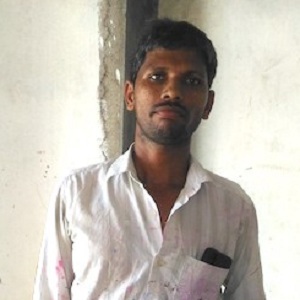
Voice of a Painter
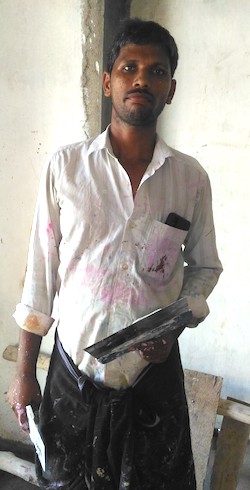 In our country, a fairly good number of unorganized sectors of people are working as painters. Knowingly or unknowingly they become victims because of the continuous exposure of the lead paints (spending about 8-10 hours of day). They suffer from the health impacts. In most cases, they are unable to trace their health implications caused by 'lead' contents in paints.
Let us hear it from R. Suresh, painter working in Madurai, Tamil Nadu, India:
I am R. Suresh (38) and I have been doing a painting job for the last 18 years. I chose this career at the age of 21 due to lack of education. It was unwilling but the last choice for me to make to keep my survival. The first 4 years of my life as a painter started with hard and complicated work like scraping old paints, looming, mixing lime, and assisting the technical workers. I learned the skills and made that as my profession.
Over the years, I have suffered some known and unknown problems. And I get physical exhaustion, mental depression, loss of appetite, and respiratory problems due to my profession. Noticeably, for the last 4 years, I have lost the ability of smell. After diagnosis, the doctor (Ms.Anandhi Kanagaraj, Homeopathy physician, Mela ponnagaram Street, Madurai -dt, Tamil Nadu) declared that my ability of smell is completely lost and she told that it is evident and a common problem for the painters. She further said that, while scraping old paint (containing lead), lead from paint dust can penetrate the nostrils and cause sensory damage. It was shocking for me to hear that lead content in paint is the cause of my pain. Further, people involved in this task are mostly not very educated and thus do not have much awareness about lead toxicity. It is a pity that they are suffering unknowingly like me.
The paint manufacturers should make sure the paint you produce does not contain lead above permissible limit of lead in the paints. I want to reiterate that we have children and families just like you. And the law enforcement authority needs to take concerted efforts to reach out to these manufacturers. Further, a strict monitoring regime needs to be put in place by the concerned authorities to limit lead from household paints, this is the demand of lakhs and lakhs of painting workers like me. And we also demand the government to pay special attention to this issue and regulate it through intensive monitoring and implement some strict laws. Moreover, intensive awareness campaigns should be organized throughout the country as workers like me need to be cautious and knowledgeable about the lead toxicity in paints.
Save Our Child, Ban Lead Paints. said R. Suresh painter.
காரீயம் தவிர்ப்போம், ஆரோக்கியம் காப்போம்
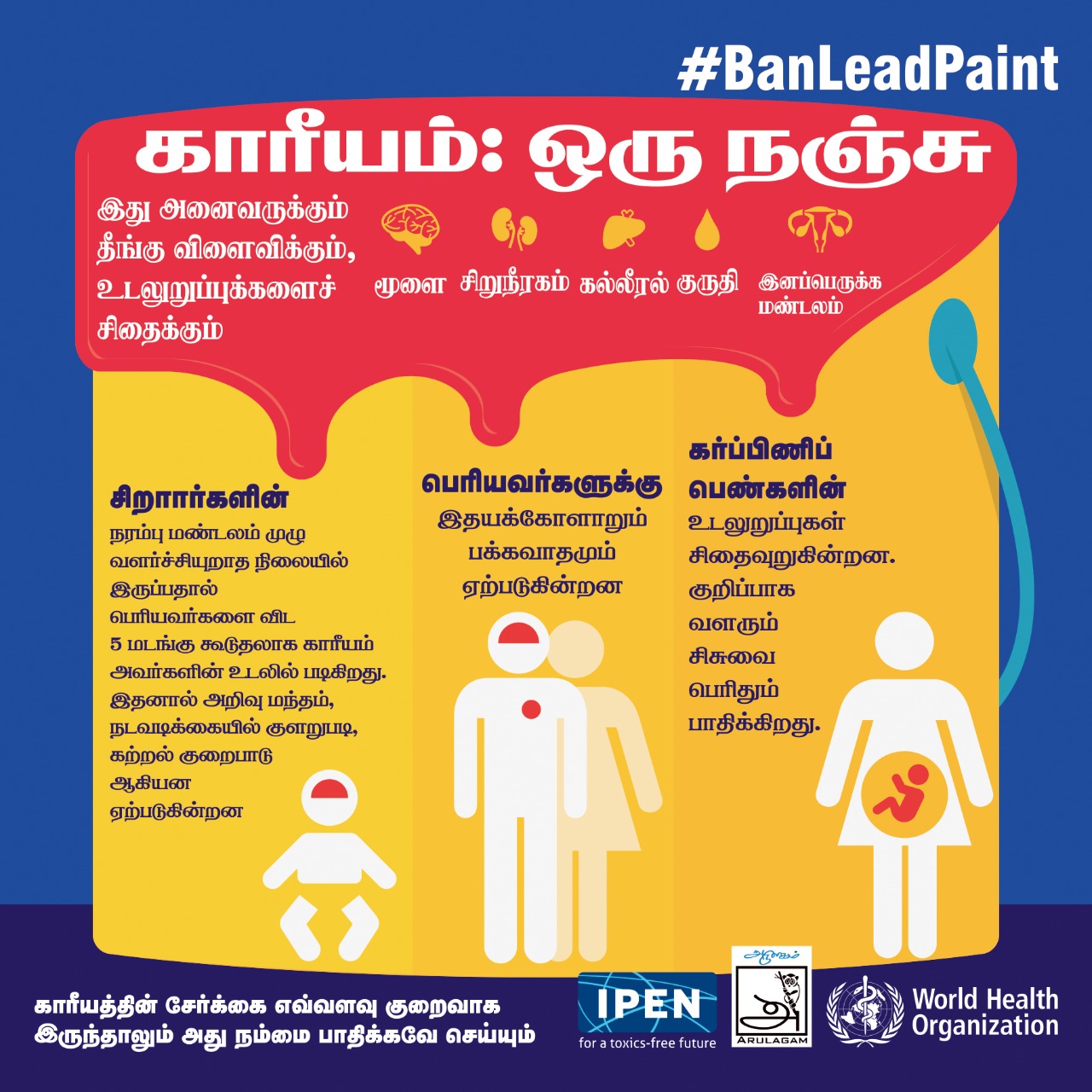 நாம் ஒரு புதுவகையான அழகான அச்சுறுத்தலை எதிர்கொண்டு வருகிறோம். அந்த அழகான ஆபத்து துடிப்பான நடைபழகக்கூடிய பச்சிளம் குழந்தைகள் மற்றும் கர்ப்பிணிப் பெண்டிரையும் பெரியோர்களையும் பெரிதும் பாதிப்பதோடு இல்லாமல், வாழ்நாள் முழுதும் தொல்லையையும் ஏற்படுத்துகிறது . அந்த அழகான ஆபத்து காரீயம் (LEAD (Pb) எனப்படும் உலோகம் தான் .
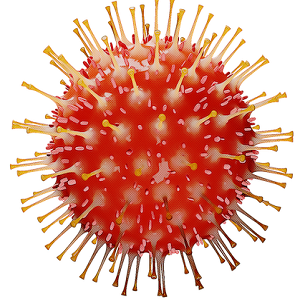
கொரோனா நோய்த் தொற்றியும் பாறு கழுகுகளும்
கேட்டவுடனே அச்சத்தைத் தரும் ஒரு சொல்லாக 'கொரோனா' என்ற சொல் நம் செவிப்பறையில் மோதுகிறது . 'கொரோனா' போன்ற நுண்மிகளை (virus) மனிதகுலம் காலங்காலமாகச் சந்தித்து அதிலிருந்து மீண்டு வந்து கொண்டு தான் இருக்கிறது. இதிலிருந்தும் மீண்டுவிடுவோம். அதற்கு மருத்துவம் துணை நிற்கும். ஐயம் தேவையில்லை. அதே வேளையில், இதற்கு இயற்கையும் அதன் அங்கமான பல்லுயிர்களும் மறைமுகமாகத் துணைபுரிந்து இப் பூமிப் பந்திலுள்ள உயிரினங்களை முற்றிலும் அழிய விடாமல் காக்க முயலும் என்பதை நம்புவோம்.
வளர்ந்த நாடுகளுக்கு இணையான சுகாதாரக் கட்டமைப்பு வசதிகளோ தன் சுத்தம் பேணும் மக்களோ இந்தியாவில் இல்லை என்ற குறை சுட்டிக் காட்டப்படுவதை நாம் அடிக்கடி கேட்டிருப்போம். ஆனால் இவ்வளவு மக்கள் தொகையும் எப்படித் தொற்று நோய்க் கிருமிகளிலிருந்து தப்பிக்கின்றனர்?. அதிலும் உடல்நலம், சுற்றுப்புறத் தூய்மை என்பன பற்றிப் பெரிதாக அலட்டிக்கொள்ளாத நம் மக்களை எது பாதுகாக்கின்றது? நம்மிடம் உள்ள நோய் எதிர்ப்பாற்றல் இதற்கு உதவியிருக்கக்கூடும் என்பது ஒருபக்கம் உண்மை. இதற்கு மறைமுகமான மறுபக்கம் ஒன்றும் உண்டு.
கொடிய தொற்று நோய்க் கிருமிகளைக் கட்டுக்குள் வைத்ததில் இந்தியாவிலுள்ள பல்லுயிர்களுக்கும் பெரும் பங்கு உண்டு. அதிலும் இறந்தவற்றை உண்டு வாழும் பாறு கழுகு போன்ற உயிரினங்களுக்கும் சிறப்பான பங்கு உண்டு. காட்டில் விலங்குகள் நீர்நிலைகளுக் கருகில் இறக்க நேர்ந்தால் அதிலிருந்து நோய் பரப்பும் நுண்ணுயிரிகள் தண்ணீரில் கலந்து அங்கு தாகம் தணிக்க வரும் மான்களுக்கோ யானைகளுக்கோ இதர விலங்குகளுக்கோ பாதிப்பு ஏற்படுத்தும் ஆபத்து உண்டு. அப்படிப்பட்ட சூழலில் பாறு கழுகு கூட்டம் வந்து இறங்கினால் இறந்த விலங்கின் உடல் இருந்த அடையாளமே தெரியாமல் தின்று தூய்மைப்படுத்தி விடும். இதனால் நீர்மூலம் பரவும் நோய்களும் இயற்கையாகவே கட்டுப்படுத்தப்பட்டன.
தவிர, விலங்குகளுக்கு ஏற்படும் கொடிய நோய்க் கூறுகளான அடைப்பான் (Anthrax), கழிச்சல் (Cholera), கோமாரி நோய் (அ) காணை நோய் (Foot and Mouth Disease), வெறிநோய் (Rabies), நச்சுயிரித் தொற்று(Distemper) உள்ளிட்ட தொற்று நோய்களால் மடிந்த விலங்குகளை உண்டாலும் பாறு கழுகுகளுக்கு ஏதும் ஆவதில்லை என்பது நமக்கு வியப்பைத் தரக்கூடும். அந்த நச்சு நுண்ணுயிரிகளை இதன் வயிற்றில் சுரக்கும் வீரியமான அமிலம் செயலிழக்கச் செய்து விடுகிறது என்கிறார்கள் அறிவியலாளர்கள். இதனால் பாறு கழுகுகளுக்கும் எந்த பாதிப்பும் ஏற்படுவதில்லை. இறந்த விலங்கிடமிருந்து தொற்று நோயும் பரவுவதில்லை. அதேபோல, இவற்றிடமிருந்தும் எந்த நோயும் பிற உயிரினங்களுக்குத் தொற்றுவதில்லை. இவ்வாறு அவை காட்டின் தூய்மைப் பணியாளராய் இருந்து எண்ணரும் உயிரினங்களைக் காக்கின்றன.
ஆனாலும் நாம் பாறு வகைப் பறவைகளால் என்ன பயன்? என்ற கேள்வியை அடிக்கடி கேட்கிறோம். நாம் எதையெடுத்தாலும் வட்டிக் கணக்கு போட்டும், பொருளாதாரக் கண்ணோட்டத்திலும், ஜிடிபி (Gross Domestic Product) அடிப்படையிலும் பங்குச் சந்தை குறியீட்டு எண் அடிப்படையிலும் ஒருநாட்டைப் பார்ப்பதால் பிற உயிரினங்களின் அருமை தெரிவதில்லை. இவை ஆற்றும் சேவையை இயந்திரத்தைக் கொண்டு செய்தால் எவ்வளவு செலவாகும் என்று பொருளாதாரக் கணக்குப்போட்டு பார்த்தால் அது அரசின் ஆண்டு நிதிநிலை அறிக்கையையும் ஏன் ஐந்தாண்டுத் திட்டத்தின் பயனையும் மிஞ்சும் படியாக இருக்கும் என்பதை மறுக்க முடியாது.
மேலும் இது போன்ற உயிரினங்கள் இல்லாது போனால் அது உணவுச் சங்கிலியில் மிகப்பெரும் அதிர்வலைகளை ஏற்படுத்தும் என்பது திண்ணம். அது உடனடியாக எதிரொலிக்காது. பாறு கழுகுகள் இல்லாத வெற்றிடத்தை நாய்களும் எலிகளும் எடுத்துக்கொள்ளும். நாய்களின் எண்ணிக்கை அதிகமானால் வெறிநோயின் (ரேபிஸ்) தாக்கமும் கூடுதலாகவும் வாய்ப்புண்டு. தென்னை மரத்தில் தேள் கொட்டினால் பனை மரத்தில் நெறிக்கட்டும் என்பதற்கேற்ப இப்படி ஒன்றுக்கொன்று தொடர்புண்டு. இவை எல்லாம் நேரா வண்ணம் இயற்கையாகவே ஒரு ஒழுங்கு கடைபிடிக்கப்பட்டு வந்தது. ஆனால் அதில் மனிதர்களின் தலையீடு கூடுதலாகக் கூடுதலாக அந்த ஒழுங்கு சீர்குலையத் தொடங்கியது. இதனால் பாதிக்கப்பட்ட உயிரினங்கள் ஏராளம்.
அப்படி ஒரு பேரழிவைத்தான் பாறு கழுகுகளும் சந்தித்தன. அவை பெருமளவு மடிந்ததற்கு, மாடுகளுக்குத் தரப்படும் வலி போக்கி மருந்தான டைக்குளோபினாக் மருந்து பெரும் பங்கு வகித்தது என்ற செய்தியைச் சொன்னபோது உலகம் நம்ப மறுத்தது. ஆனால் அசைக்க முடியாத ஆய்வுகளால் பின்னர் அதை ஏற்றது. இதை அறிந்து இந்தியா உள்ளிட்ட பல்வேறு வளர்ந்து வரும் நாடுகளும் அம் மருந்துக்குத் தடை விதித்தன. சுகாதாரத்தில் முன்னிலை வகிக்கும் வளர்ந்த நாடான இத்தாலியும் தடை விதித்தது. ஆனால் அந்தத் தடையை ஓரிரு ஆண்டுகளில் அந்நாடு விலக்கிக் கொண்டது. அதனைத் தொடர்ந்து ஸ்பெயினும் விலக்கிக் கொண்டது. பறவையாளர்கள் முறையிட்டும் அந் நாடுகள் கடைசி வரை செவி சாய்க்கவில்லை. எங்கள் நாட்டில் சுகாதாரச் சீர்கேடு இல்லை. வளர்ந்து வரும் நாடுகளைப் போல நாங்கள் இறந்த விலங்குகளை வெளியில் வீசுவதில்லை என்று மறுதலித்தது. ஆனால் அப்படி உயர்ந்த சுகாதாரம் பேணப்படும் நாட்டில் தான் 'கோரோனா' தன் கைவரிசையைக் காட்டியுள்ளது என்பதைச் சுட்டிக் காட்டக் கடமைப் பட்டுள்ளோம்.
பாறு கழுகுகளுக்கும் கொரோனோவிற்கும் நேரடியாகத் தொடர்பில்லை ஆயினும் கொரோனா போன்ற நச்சுயிரிகளின் ஆபத்தில் மனிதகுலம் சிக்கியுள்ள இவ்வேளையில் இதுபோன்ற தீநுண்மிகளை இயற்கையாக கட்டுக்குள் வைக்கும் பாறு கழுகு போன்ற உயிரினத்தைப் பற்றியும் தெரிந்து அதைப் பாதுகாக்க முன்வர வேண்டும் . பாறு செழிக்கட்டும்.
.jpg)
குயிலின் கூவலும் ஊரடங்கலும்
பறவைகளின் ஆரவாரமிக்கக் அகவல் என் மனதிற்கு எப்போதுமே குதூகலத்தைக் கொடுக்கும். வேலை நிமித்தமாக, என் பெற்றோர்கள் அதிகாலையிலேயே எழும் பழக்கம் உடையவர்கள் ஆதலால் ‘கோழி கூப்ட’ எழும் பழக்கம் எனக்கும் சிறுவயதிலிருந்தே பழக்கமாகி விட்டது.
கிராமங்களில் கோழிக்கும் சேவலுக்கும் பஞ்சமே இருக்காது. அதிகாலையில் ஒரு சேவல் கூவ ஆரம்பித்தவுடன் அடுத்த அடுத்த இடங்களில் வசிக்கும் சேவல்களும் எசப்பாட்டுப் பாட ஆரம்பித்து விடும். எங்கள் அண்டை வீட்டில் வயதான பாட்டி ஒருவர் வசித்து வந்தார். அவரது வீட்டில் எப்போதுமே கோழியும் சேவலும் இருக்கும். சிறுவயதில் நான் கண்விழித்தது அதன் கூப்பாட்டைக் கேட்டுத்தான். இந்த இடத்தில் அந்தப் பாட்டியைப் பற்றிய சிறு குறிப்பு. அவருக்கு இரு மகன்கள் உண்டு ஆனால் அவர்களிடம் அண்டிப் பிழைக்காமல் கோழி வளர்த்தே தனது பொருளாதாரத் தேவையை அவர் ஈடு செய்து கொண்டார். அவருக்கு, நல்ல சம்பாத்தியத்தில் நகர்ப்புறத்தில் வசிக்கும் தன் மூத்த மகன் மீது கூடுதல் பாசம் உண்டு. ஆனால் மகனுக்கோ, தனது ஆத்தா வளர்க்கும் கோழி மீது எப்போதுமே பிரியம் உண்டு.
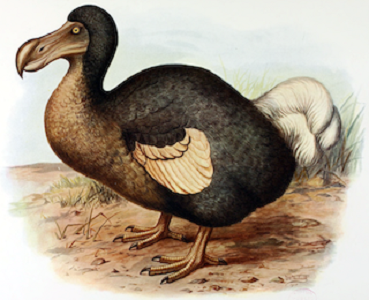
டோடோ பறவை நமக்கு விட்டுச் சென்ற செய்தி என்ன?
"டோடோ” என்ற சொல்லுக்கு ஆங்கில அகராதி அறிவற்றவன் என்று பொருள் தருகிறது. ’டோடோ’ என்பது வெறும் சொல் மட்டும் அல்ல. அது ஒரு பறவையையும் குறிக்கும் ஒரு பெயர். ‘டோடோ போல் சாகாதே” (as dead as dodo) என்று ஆங்கிலத்தில் ஒரு பழமொழி உண்டு. இதற்குப்பின்னே ஒரு வருத்தமான நிகழ்வு இருக்கிறது. அந்த நிகழ்வை உங்களுக்கும் சொல்ல வேண்டும். நம் சந்ததிக்கும் தெரியப்படுத்த வேண்டும். அந்த நிகழ்வு என்ன? அதைத் தெரிந்து கொள்வோமா!. அதற்கு நாம் ஐநூறு ஆண்டுகள் பின்நோக்கிச் செல்லவேண்டும்…..
(அப்போது உண்மையில் என்ன நடந்தது என்பது நமக்கு முழுமையாகத் தெரியாது. என்னதான் நடந்திருக்கும் என்று யோசித்துப் பார்த்தபோது எழுந்த ஒரு கற்பனைக்காட்சி…..)
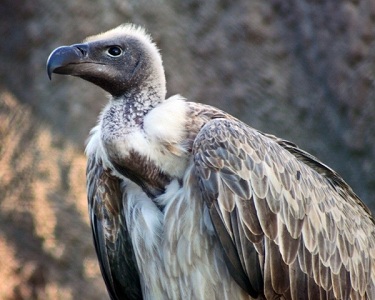
Sensitising tourists to dangers facing vultures
In order to sensitise tourists to the threats facing vulture populations across the country, an awareness board was erected by conservation group, Arulagam, with the support of the Tirupur Information Technology Association (TITA) at Kodanad view point on Sunday. “There are three species of vultures which are regularly sighted at Moyar, Ebbanad and Kodanad area - white backed vulture, red-headed vulture and long-billed vulture. All of them are critically endangered. This board was erected to commemorate the 4th year of the bike rally for the cause of vulture conservation,” said S. Bharathidasan, secretary of Arulagam.
The awareness board was unveiled by honorary wildlife warden, C. Badrasamy.
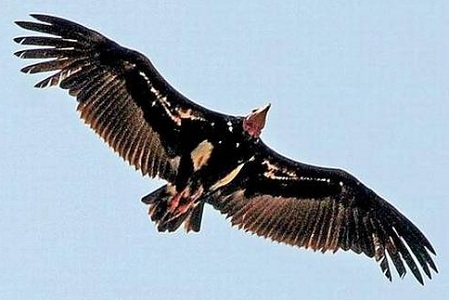
Vultures find new nesting sites in Ebbanad, Kodanad slopes
‘The reasons for the vultures abandoning their traditional nesting grounds still needs to be studied’
While researchers and conservationists continue to study the reasons for two species of vultures found in the Nilgiris abandoning one of their prime nesting grounds in the Sigur plateau since 2016, researchers have seen an increase in nesting activity along the slopes of Ebbanad and Kodanad, indicating that the birds could have established new nesting colonies since being forced to leave.
B. Ramakrishnan, an assistant professor from the department of wildlife biology, Government Arts College, Udhagamandalam, who has been studying the nesting habits of the four species found here – the white rumped vulture, red headed or Asian king vulture, long-billed vulture and the Egyptian vulture
since 2011, said that he had first noticed a decline in nesting by the white rumped and long-billed vultures in 2014, and stated that by 2016, the entire area had been abandoned.
“As Siriyur was among five nesting grounds in the Sigur plateau which we had discovered and were studying, it was of course a matter of concern,” said Mr. Ramakrishnan, stating that the reasons for the vultures abandoning their traditional nesting grounds still needs to be studied. “It's easy to try and draw a conclusion that they moved away due to human disturbance, but there could be a whole lot of factors which need to be thoroughly understood, so that we can reach a conclusion as to why the colony was abandoned,” he added.
S. Bharathidasan, Secretary of Arulagam, a conservation group working towards the protection of vultures, said that from his own observation, it seemed likely that the birds had abandoned the nesting site in Siriyur, and had instead begun colonising the slopes of Ebbanad and Kodanad, possibly because there was lesser human interference in these regions.
“It is difficult to say with certainty whether that is the case, but it does seem likely,” said Mr. Bharathidasan, who said that both white-rumped as well as long-billed vultures are known to nest in Ebbanad, while long-billed vultures are known to nest primarily in Kodanad.
Though the Egyptian vulture is known to nest predominantly in parts of Karnataka, the search for the nesting sites of the incredibly rare red-headed vulture or the Asian king vulture, of which less than 20 individuals are known to be found in the Nilgiris, continues.
Mr. Ramakrishnan said that though they have heard rumours of nesting sites in the Sigur plateau, he himself has not personally seen any thus far. Though critically endangered, the population of red-headed vultures has stabilised over the last few years in the Sigur plateau.
Page 22 of 25