Ooty / Coimbatore: Vultures play a major role in protecting humans and wildlife from infectious diseases by acting as nature’s cleaners and feeding on the carcasses of dead animals. With the aim of creating public awareness about the conservation of these rare birds, which are on the brink of extinction, the first Saturday of September is observed every year as ‘International Vulture Awareness Day’.
On this occasion, ‘Arulagam’, in collaboration with the Department of Wildlife Biology, Government Arts College, Ooty, and volunteers from the ‘State Street’ organisation, conducted various awareness programmes in the Nilgiris and surrounding areas from September 1 to 6.
Engaging the Next Generation
Building awareness through creativity and participation.
To create awareness and understanding about vultures among the younger generation, quiz, elocution and painting competitions were conducted for school and college students, and certificates were distributed.
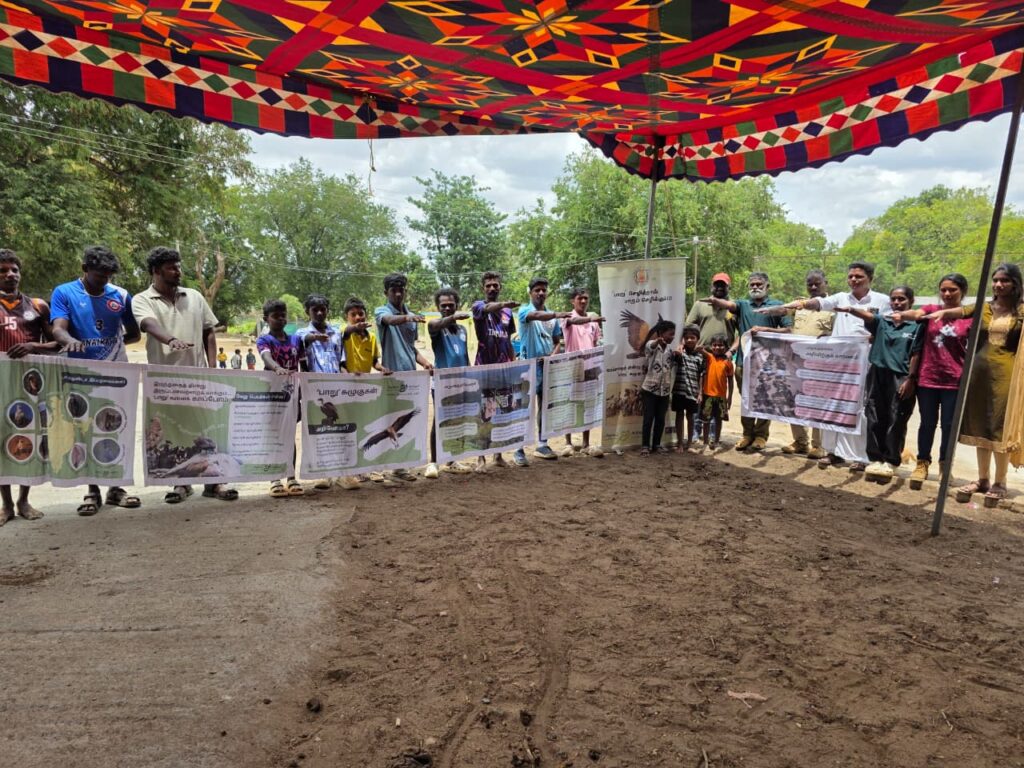
A Pledge for Vulture Conservation
Turning awareness into a collective commitment.
Participants also signed a pledge on a banner put up on the campus, expressing their support for vulture conservation. Arulagam Secretary Su. Bharathidasan, Head of the Department of Biology Dr. Ramakrishnan, and Arulagam Biologist Sundari participated in the event and explained the ecological importance of vultures to the students.
Restoring the Shola Landscape
Planting native trees and restoring habitats.
As part of the programme, ‘Rhododendron’ saplings native to the shola forests of the Nilgiris were planted on the college campus. Volunteers were also briefed on the biodiversity of the Western Ghats, while invasive alien plant species on the college campus were removed and the area was restored.
Vulture Trophy Volleyball Match
Bringing young people together for vultures.
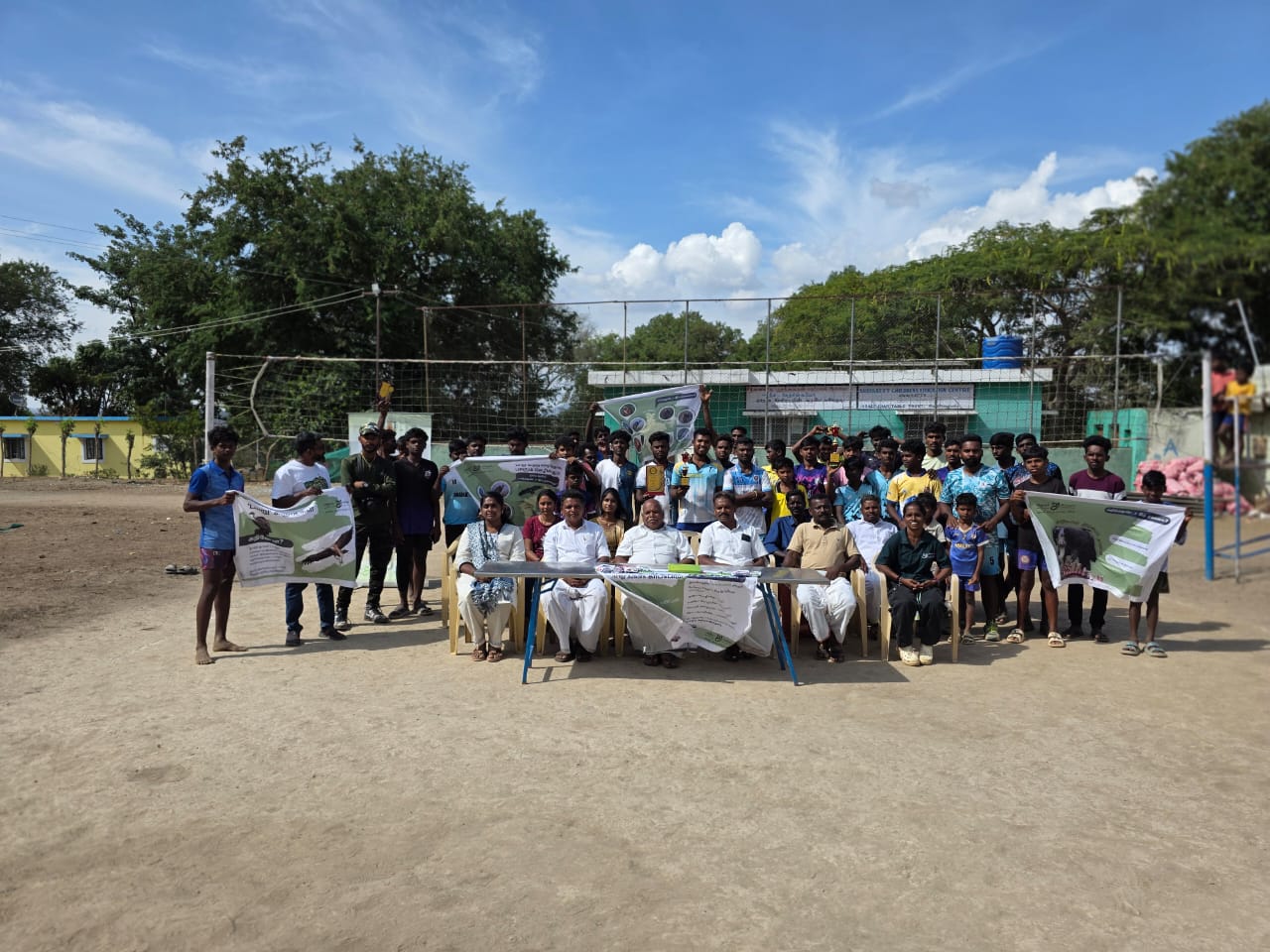
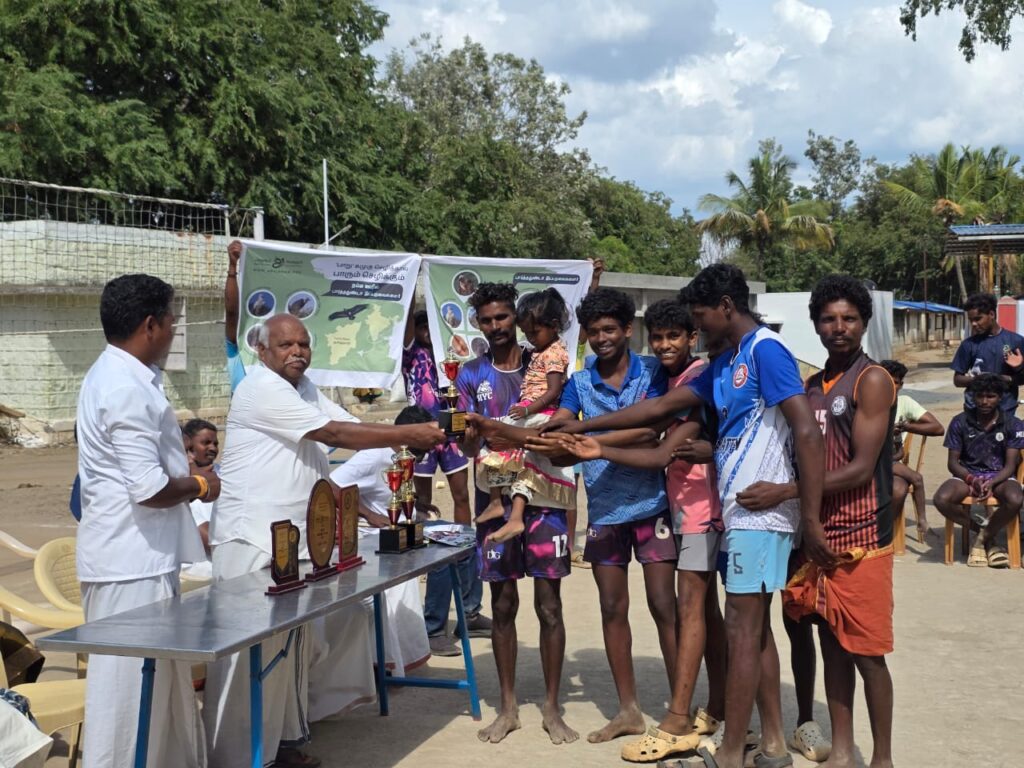
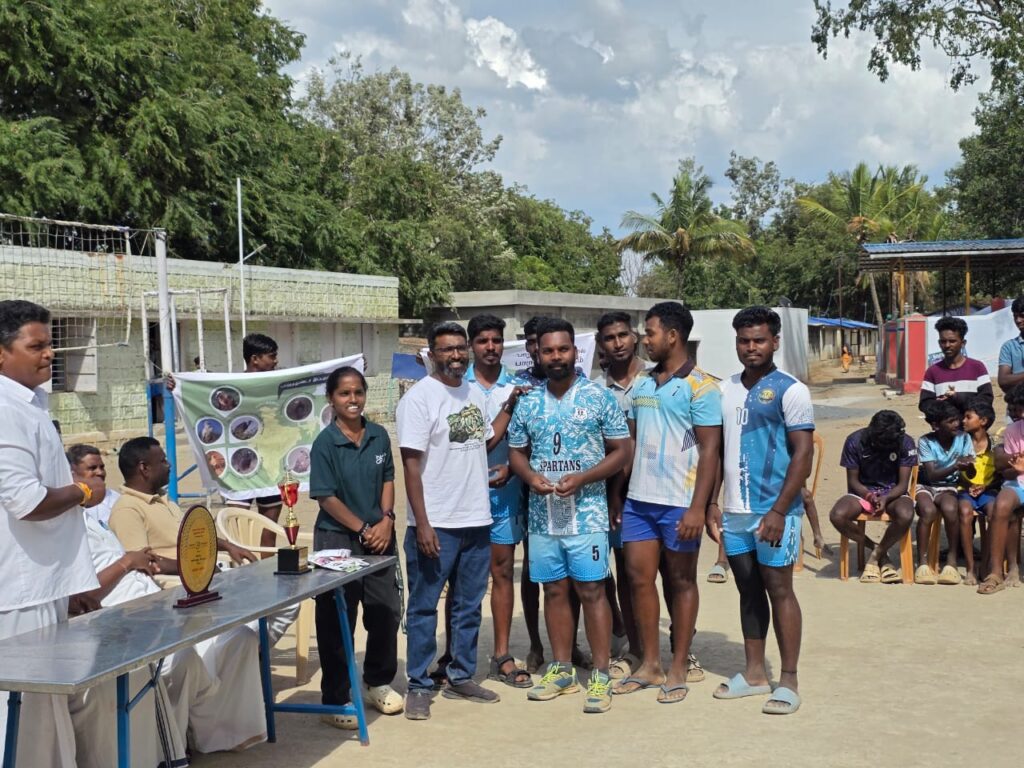
On September 6, a ‘Vulture Trophy’ volleyball match was held in Anaikatti village to emphasise the need to create a ‘Vulture Safe Zone’. The event was presided over by the Seekur Forest Ranger.
By bringing young people together through sport, the event created awareness about making the carcasses of livestock that die naturally available as safe food for vultures, and about the cooperation required from the public, particularly livestock owners, in this effort.
Protecting Vultures from Diclofenac
Promoting safer alternatives for livestock care.
A request was made to avoid the use of harmful NSAID drugs such as ‘Diclofenac’ in livestock, as they are a major cause of vulture decline. As an alternative, natural, herbal-based ‘Ethno-Veterinary Medicine (EVM) Kits’ prepared by ‘Your Farm’ under the guidance of Padma Shri Dr. Punniyamoorthy were distributed free of cost to livestock owners.
Supporting Vulture Research
Safeguarding samples for conservation efforts.
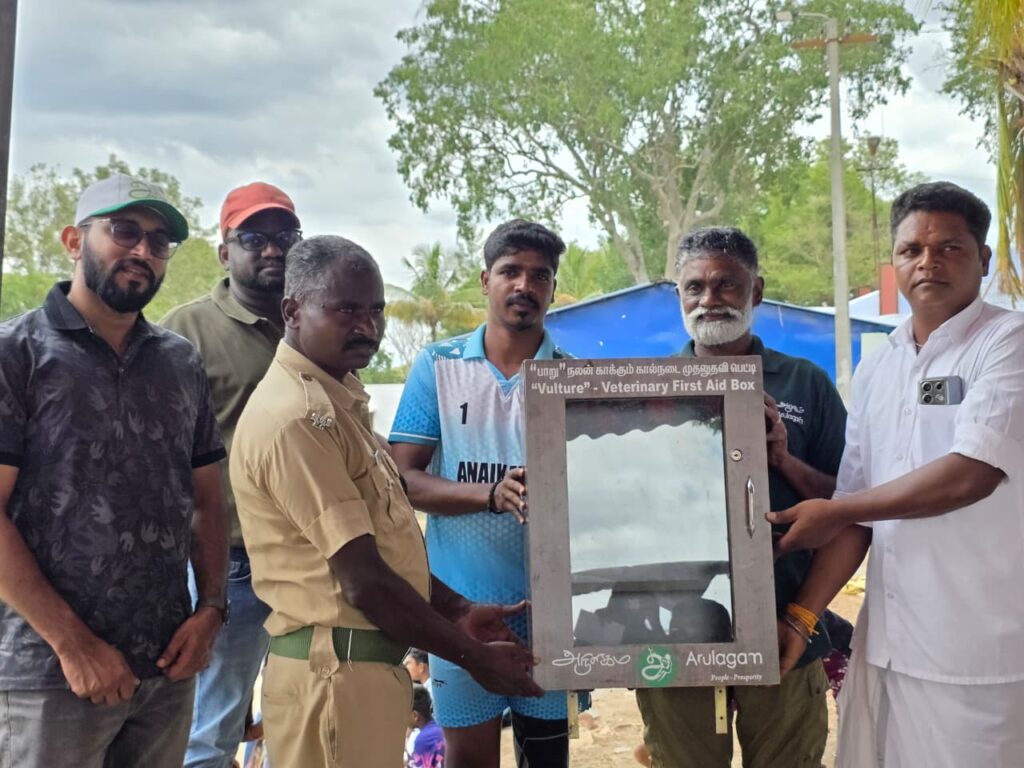
Samples are being collected from dead livestock, following the guidelines of the Forest Department, towards officially declaring the Nilgiris region a protected biosphere reserve. On behalf of Arulagam, a freezer was donated to the IPAN organisation to safely store these samples. It was received by the organisation’s representative, Nigel Autar.
Volunteers from the State Street organisation enthusiastically participated in all these events.
Arulagam Secretary Su. Bharathidasan pointed out that conserving vultures is not merely about protecting a single bird species, but also about protecting the entire natural food chain and the health of humanity.