Arulagam has been passionately involved in establishing a long term vulture conservation programme and has played a significant role in championing policy level changes. Arulagam played a critical role in campaigning for the ban of NSAIDs such as Diclofenac, Ketoprofen, Nimesulide, and Aceclofenac and has been passionate about vultures and their conservation in Tamil Nadu. Arulagam continues to advocate for vulture conservation through natural history studies, community participation programmes and grassroots activism.
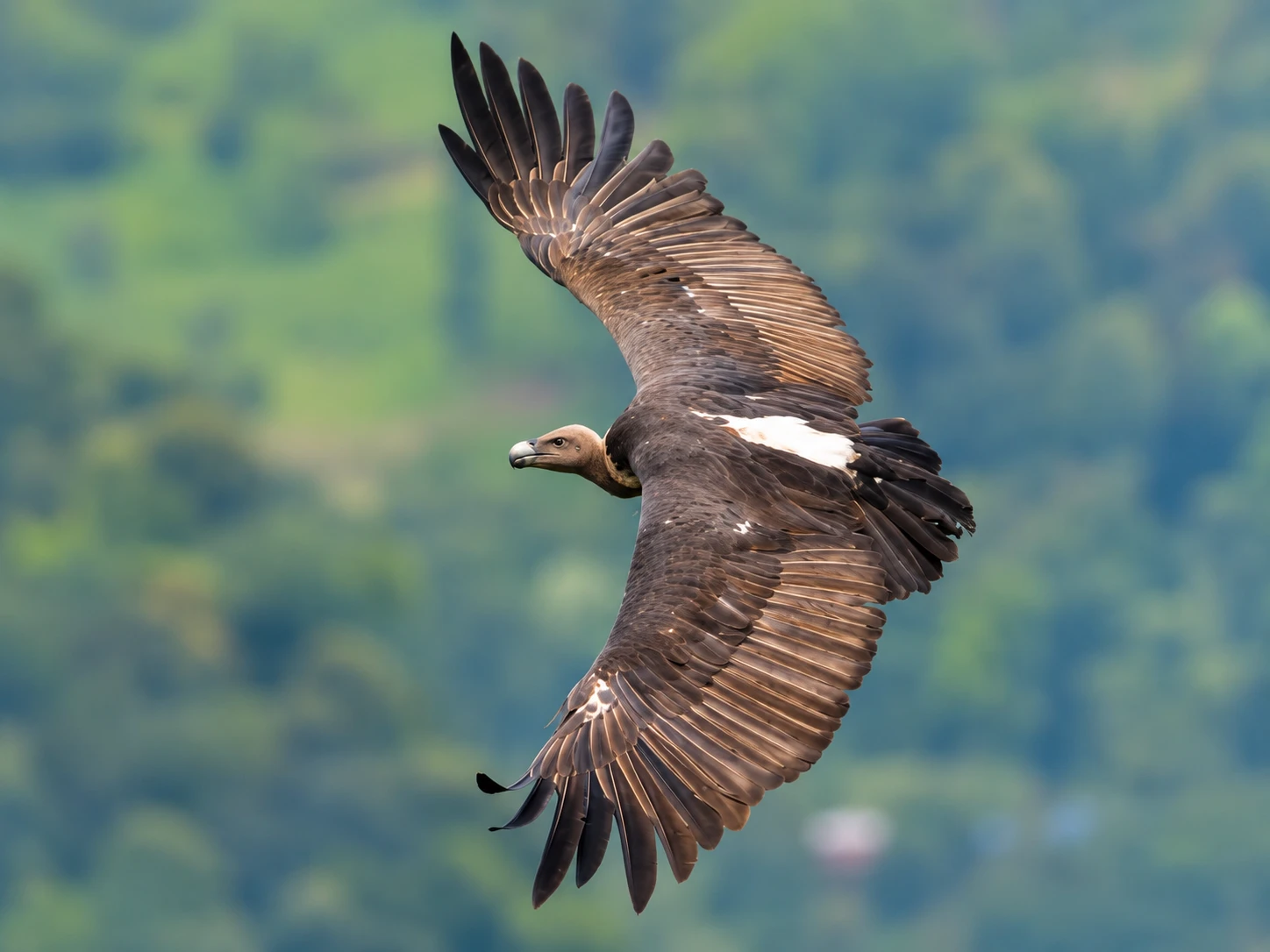
Vultures are obligate scavengers and play a vital role in ecosystem regulation, by mitigating the spread of diseases. Four species of vultures are of particular importance namely White Rumped Vulture (Gyps benghalensis), Red Headed Vultures (Sarcogyps calvus), Long billed vulture (Gyps indicus) and Egyptian Vulture (Neophran percnopterus)
Our work focus on :
- Addressing the data lacuna on vulture habitat and ecology: the existent data deficiency of vultures and of region specific data is threatening the vulture population- through extensive field surveys and radio telemetry to study vulture habitat, distribution patterns, home range expanse, feeding ecology and conservation threats, Arulagam is working to address the data lacuna.
- Monitor NSAID prevalence: through market research, field surveys and carcass tissue sampling. This will help in establishing prevalence of NSAIDS, including the banned drugs, and or other toxins, and therefore pave the way for appropriate policy measures.
- Establish a mobile veterinary care service covering 10 identified villages within the vulture safe zone. The limited access to quality veterinary care in tribal cattle-rearing communities leads to increased self-medication of livestock with harmful NSAIDs, further exacerbating the ecological crisis. The MVC unit will conduct daily on-site inspections of livestock, focusing on disease identification and assessment, provide prompt, accurate veterinary care to address prevalent cattle diseases and prevent zoonotic disease outbreaks.
- Establish Vulture focused bird tourism in targeted villages in the Niligire Biosphere Reserve to promote and encourage ecological sensitivity amongst local communities, and foster trust and gratitude for vultures and the role they play in sustaining the ecosystem and ecological health.
- Arulagam is working to establish ‘South India Vulture Action Group’ (SIVAG), an interdisciplinary partnership network of organizations, conservationists, and scientists to further holistic conservation for vultures.