Arulagam is a non-profit organisation based in Coimbatore. It focuses particularly on little-known, threatened and neglected species of flora and fauna, as well as vulnerable ecosystems, community-driven conservation initiatives, and the wellbeing of indigenous communities. Arulagam is also one of the registered non-governmental organisations (NGOs) responsible for implementing the government of Thamizh Naadu’s Tribal Welfare schemes.
Reaching a Remote Tribal Village
As part of its conservation work in the Sathyamangalam Tiger Reserve (STR), Arulagam began working with the remote village of Solagar Thotti in Thalavadi, Erode district. Located near the Karnataka border, it is one of the last villages in Thamizh Naadu in this region.
The village is home to approximately 65 families, comprising around 300 people from the Sholaga tribe. The community has its own language and a strong cultural connection with the surrounding forests. However, educational opportunities remain limited. Until 2025, only six people from the village had graduated from college, all of them girls. Most of the boys had dropped out of school. Only three boys had reached college, and unfortunately, they too had dropped out. Most families depend on seasonal farming, cattle rearing, and agricultural labour for their livelihoods.
Identifying an Opportunity
During its conservation work in STR, Arulagam identified several young people who had dropped out of school due to social and educational pressures. In one case, two students who had completed Class 10th enrolled in Class 11 but dropped out on the third day because of the way they were treated by a teacher.
Many of the young people remained idle for years because they lacked the skills, experience, and opportunities needed to enter the workforce.
As a tribal-empanelled NGO, Arulagam’s Secretary, Mr. Bharathidasan.S, learned about a diploma programme offered by the Nettur Technical Training Foundation (NTTF) in Vellore, specializing in CNC (Computer Numerical Control) operations through the directorate of Tribal welfare.
The Arulagam team contacted Mr. Gnanavel of NTTF to learn more about the programme. Mr. S. Bharathidasan decided that these young people should be given an opportunity to enrol in the 2026 batch.
Ms. R. Sundari, Ms. S. Revathy, and Mr. E. John jabez from the Arulagam team visited the village regularly, met the youth, and encouraged them to consider the programme as an opportunity to develop skills and build a better future.
With hope and excitement, Mr. K.Basavanna, Mr. K. Arjun, Mr. M.Prabhu, and Mr. K.Velu applied and were selected for the six-month diploma programme.
Arulagam, along with State Street foundation, invited the students to its Coimbatore headquarters and motivated them before they left for Vellore. Ms. Kavitha Bharathidasan spoke to them about the challenges they might face during the next six months. Arulagam ensured financial assistance for travel, food, toiletries, and other essential needs with the support of State Street Volunteers.
A Difficult Beginning
Their first day was difficult. Having spent their entire lives in the cooler hills, they struggled with the heat and humidity of Vellore, particularly because they had arrived during the summer. The following morning, they called the Arulagam team and explained that they could not bear the heat and were considering returning to their village.
Money was sent immediately, and they were asked to buy lightweight clothing suitable for the warmer climate. They were also encouraged to shower in the morning and evening to help them cope with the heat.
The boys continued for a few weeks, but their initial enthusiasm began to fade. They struggled with the food, the heat, sleepless nights, and the unfamiliar environment. After two weeks, all four were on the verge of returning home.
Realizing how difficult the transition was for them, Mr. John visited the students and took them to Chennai for a weekend exposure trip. The students are encouraged to purchase new cloths and thin blankets suited to the warmer climate.
After returning to campus, they discovered that sleeping on the hostel terrace was much more comfortable during the harsh summer nights.
Unfortunately, Velu eventually dropped out, saying that he was developing heat blisters and could no longer cope with the climate.
Standing Up for Better Food
On the morning of May 6, the remaining students faced another challenge. During breakfast, they found worms in the food being served at the institute.
Instead of remaining silent, the students approached the institute principal and demanded nutritious and hygienic food. The principal investigated the matter and confirmed that their complaint was genuine. The institute management immediately changed the menu and improved the quality of the food and rations.
The students later informed the Arulagam team about their success in addressing the food issue.
Mr. S. Bharathidasan was delighted—not only because the students had successfully brought about a change, but also because they had learned to organize themselves, raise their concerns, and approach institutional authorities with confidence.
Growing in Confidence
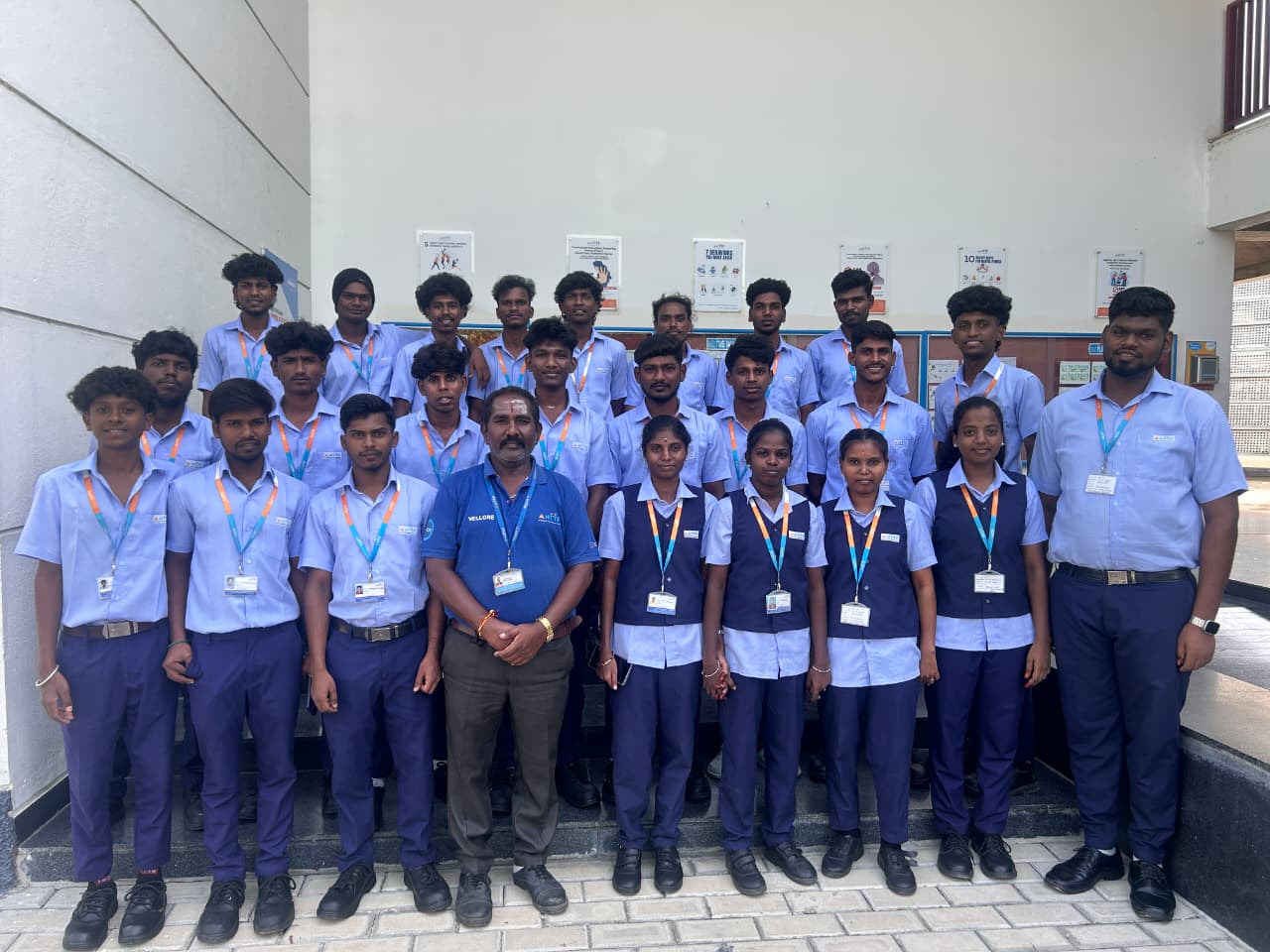
In June 2026, the three remaining students received uniforms and shoes from the institute and were excited to begin their practical training. Every month, Arulagam continued to provide financial assistance to help them meet basic needs including mobile recharge and other essentials.
On June 8, 2026, the entire batch went on a study tour organized by NTTF. The students visited two manufacturing companies and also had the opportunity to visit Vellore Fort and the Golden Temple.
By this time, the students had become more comfortable with their surroundings, built friendships, and developed a sense of belonging within the institute.
Another Setback
By the end of July, however, another setback occurred. Mr. M. Prabhu did not clear his Class 10 board examination, and the management asked him to withdraw from the programme.
During enrolment, NTTF had informed the students that passing Class 10 was a requirement. However, the management had made an exception and admitted Mr. M. Prabhu into the programme.
Although disappointed by the decision, Mr. M. Prabhu had nevertheless come a long way. His experience demonstrated both the challenges faced by first-generation learners and the importance of providing them with sustained educational and social support.
A New Beginning
By August 2026, Mr. K. Basavanna and Mr. K.Arjun successfully completed the course with flying colours.
Even more encouragingly, both students received paid internship opportunities at AMS Technologies, a Bangalore-based company. The opportunity offers them a monthly package of approximately ₹25,000. They will be stationed in Sriperumpudhur, an important industrial hub in the Kanchipuram region.
For two young men who had once dropped out of school and faced an uncertain future, this is a remarkable achievement.
From Dropouts to Professionals
Arulagam’s efforts have helped transform the lives of two tribal students who had previously dropped out of school and had few opportunities for employment or further education.
Their journey was not easy. They had to overcome educational setbacks, social pressures, financial limitations, an unfamiliar environment, extreme heat, homesickness, and the temptation to return home. Yet, with encouragement from their community, Arulagam, NTTF, and their own determination, Mr.K. Basavanna and Mr. K. Arjun persevered.
Their story is a reminder that providing an opportunity is only the beginning. Young people from marginalized communities also need sustained mentorship, financial support, encouragement, and someone who believes in their potential.
From a remote tribal village in the hills of Tamil Nadu to the threshold of careers in the manufacturing industry, Mr. K.Basavanna and Mr. K.Arjun have taken an important first step toward a brighter and more independent future.
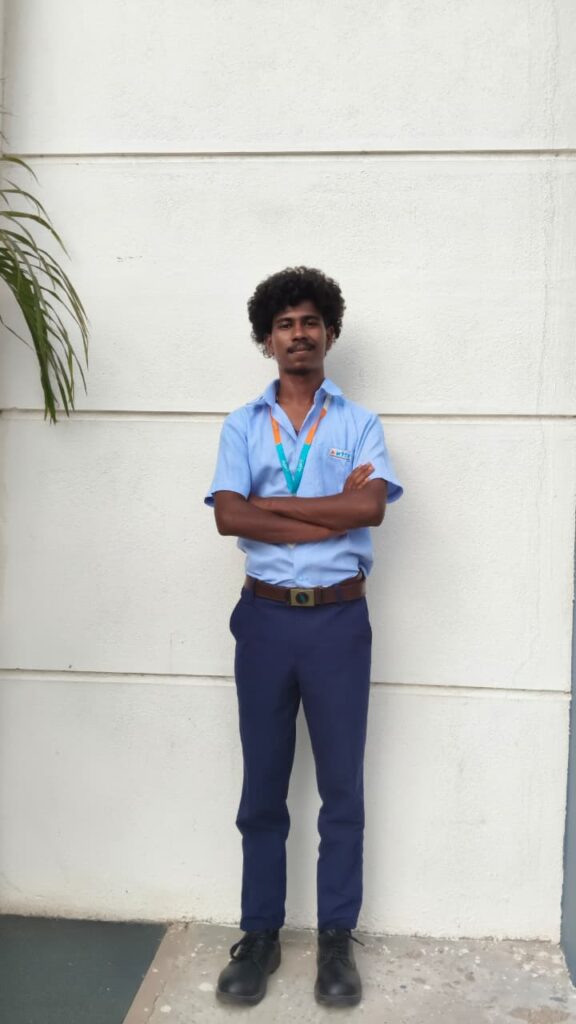
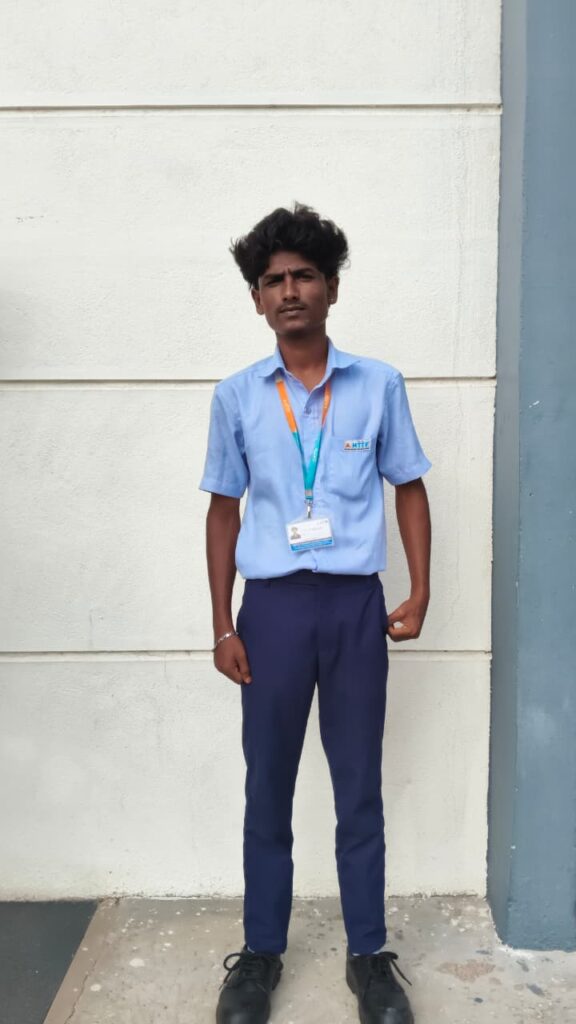
Arulagam’s intervention has turned two school dropouts into skilled young professionals—and their journey has only just begun.
Special thanks go to the Directorate of Tribal Welfare, the State Street Volunteers and the Arulagam team, especially Mr E. John, Ms S. Revathi and Ms R. Sundari, for their continuous mentoring.