Nilgiris, Tamil Nadu, Date: August 15, 2026
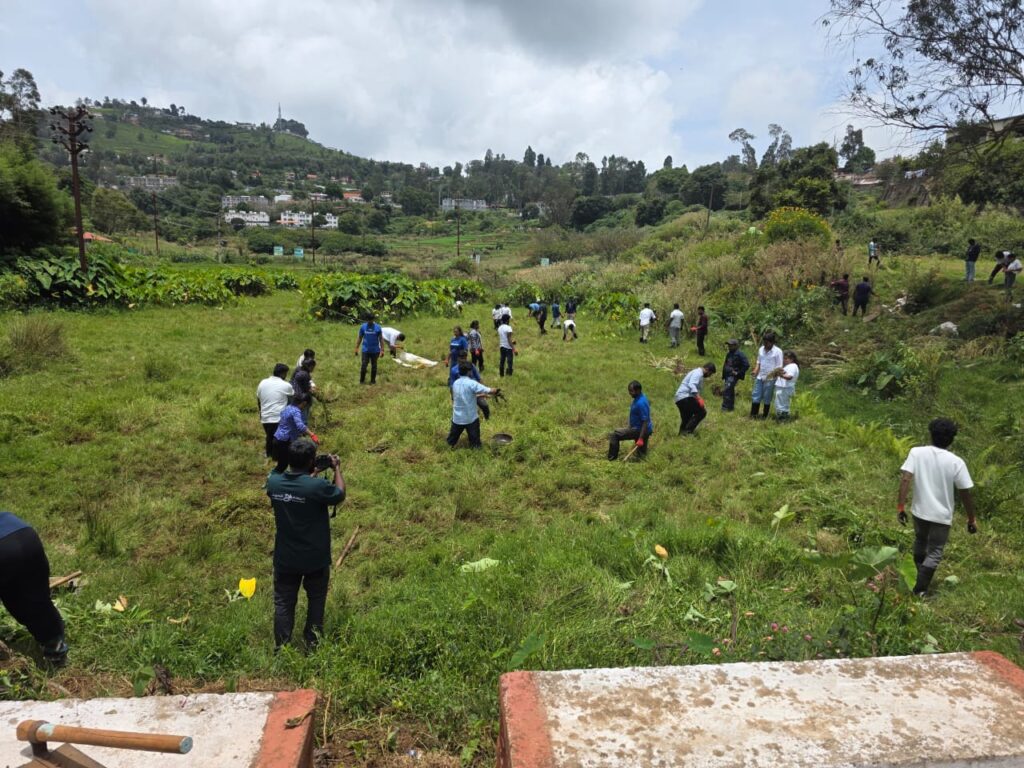
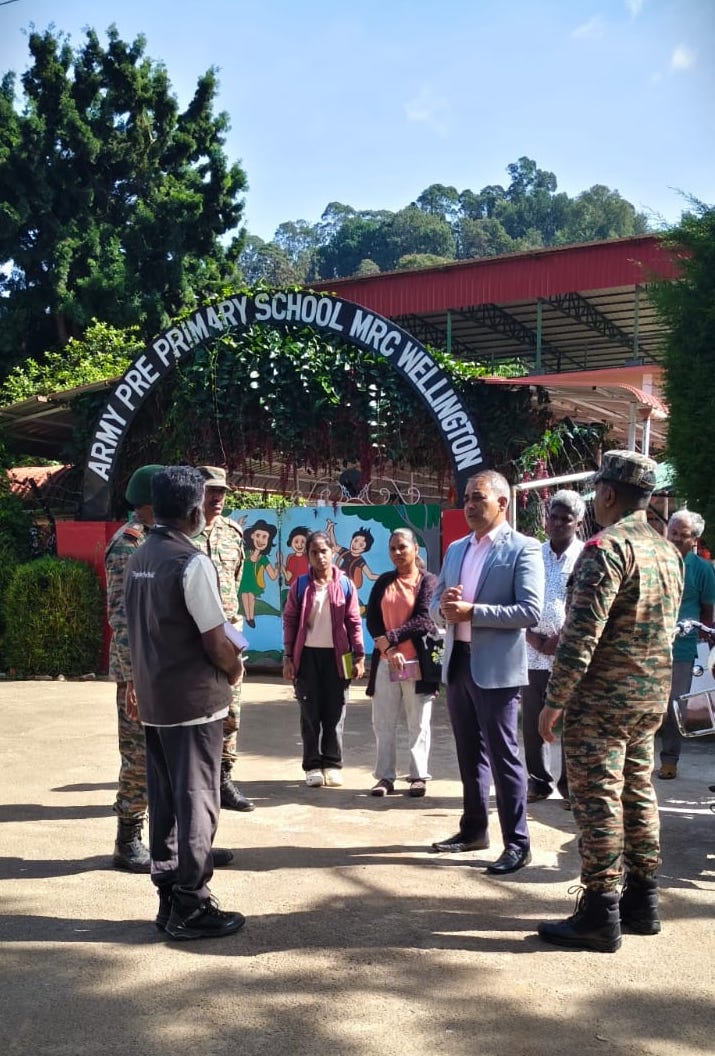
India’s 80th Independence Day and the 25th anniversary of the Arulagam Nature Conservation Organisation, a wetland restoration initiative was formally began at Hannikallu, Wellington in the Nilgiris. Led by Arulagam in collaboration with Upstream Ecology Foundation, the initiative was formally inaugurated under the aspiration of the Madras Regimental Centre (MRC), Wellington, and supported by corporate volunteers from the State Street Foundation.
The initiative aims to address critical ecological degradation by eradicating invasive plant species choking a critical wetland habitat, and reintroducing native Nilgiris flora to the space. In addition to widespread invasives, Upstream Ecology Foundation recorded lesser-known invasives species such as Silybum marianum (Milk Thistle, native to Western Asia) and Alternanthera philoxeroides (Alligator Weed, native to South America) that pose emerging threats to the region’s delicate hydrology. Upstream Ecology Foundation’s aim with this initiative is to highlight such overlooked plant invasions before they irreparably displace indigenous biodiversity.
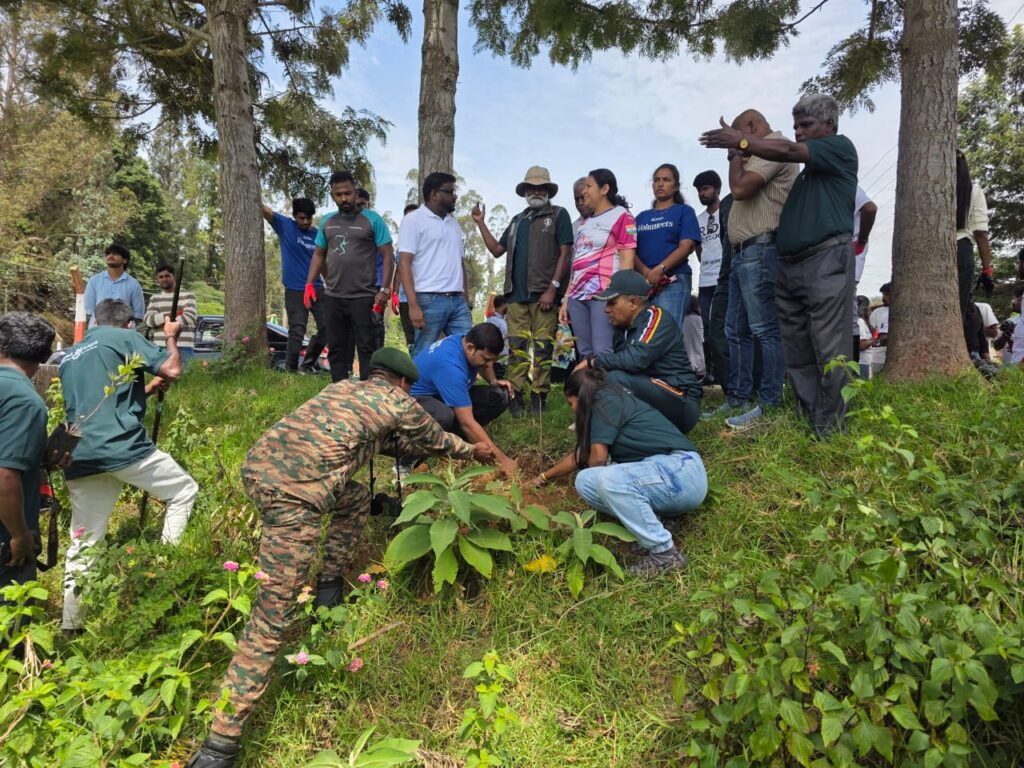
The restoration was launched by Brigadier Krishnendu Das, commandant of the Madras Regimental Centre (MRC), who planted an Elaeocarpus variablis sapling, alongside Mrs. Tanushree Das, Senior director AWWA, Wellington Station who planted kurinji. Subedar Major K. Deepak, Sena Medal of the MRC warmly greeted the gathering. Following the ceremonial launch, 50 volunteers from State Street Foundation joined hands with the Arulagam team to execute early-stage invasive clearance and planting.
S. Bharathidasan, Secretary, Arulagam Nature Conservation Organisation said that this restoration drive is initiated as part of Arulagam’s 25th anniversary celebrations, this project aims to systematically rehabilitate natural habitats. By strengthening the local ecological balance, we are ensuring a sustainable environment for native plant and animal species to thrive.
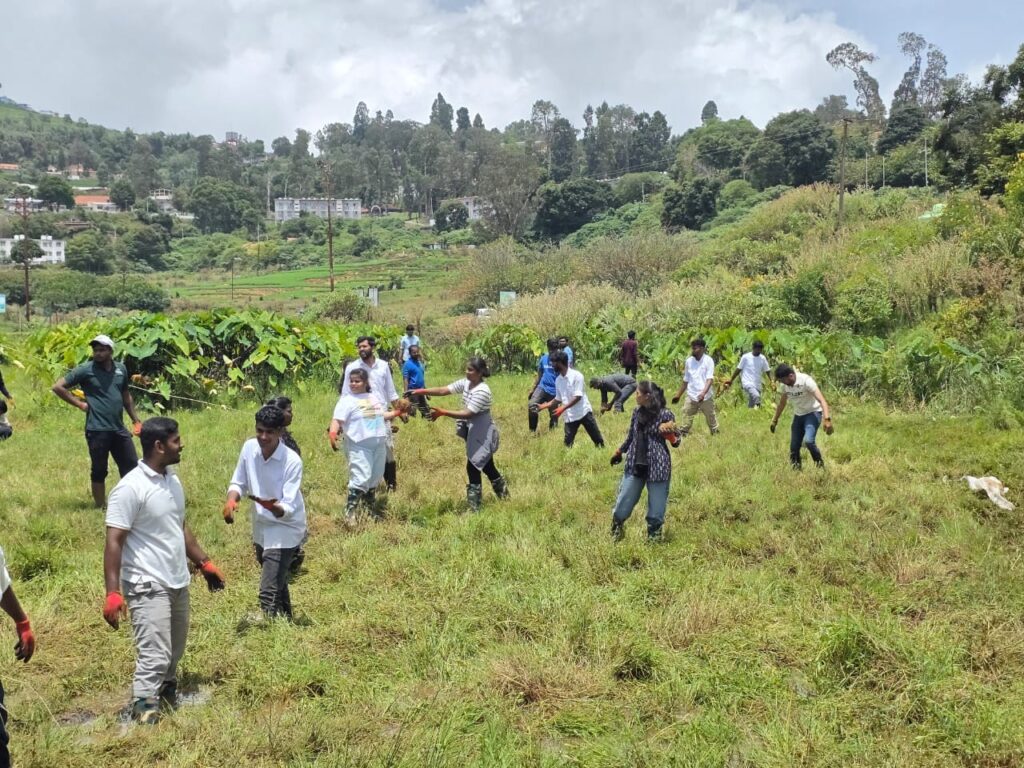
Vasanth Bosco, Upstream Ecology Foundation displayed the invasive species and explained about them. He further said that “Wetlands are delicate, dynamic ecosystems. Restoring them with site-appropriate native grasses and shrubs enhances natural carbon sequestration and long-term climate resilience.”
Mr. Sudarsan, State Street Foundation said that “the initiative will soon expand to serve as an interactive learning space for students and helping the public appreciate the critical role of native flora plays in safeguarding regional biodiversity.
The event was coordinated by Ms. R. Sundari, Ms. R.Nilitha, and Ms. Revathi Rani of Arulagam.